
Discovering rats or cockroaches in your home can be incredibly frustrating and unsettling. These unwanted visitors often appear overnight, scurrying across floors or hiding in corners, making you feel like your safe space has been invaded. The constant worry about hygiene, potential damage to food and belongings, and the stress of not knowing where they’ll show up next can disrupt your peace of mind. But what if a simple, everyday ingredient already sitting in your kitchen could help encourage these pests to stay away—without harsh chemicals? Keep reading to uncover a surprising natural approach that many homeowners have found helpful.
Why Pests Like Rats and Cockroaches Are Attracted to Homes
Rats and cockroaches are drawn to warm, sheltered environments with easy access to food and water. Homes provide the perfect conditions, especially in kitchens and pantries where crumbs, spills, or open containers are common.
Research shows that these pests have a strong sense of smell, guiding them toward food sources from far away. Even small amounts of uncovered food can invite them in.
But here’s the good news: certain strong natural scents can overwhelm their senses and make your home less appealing. This is where everyday ingredients come into play.
The Role of Rice in Popular Home Remedies
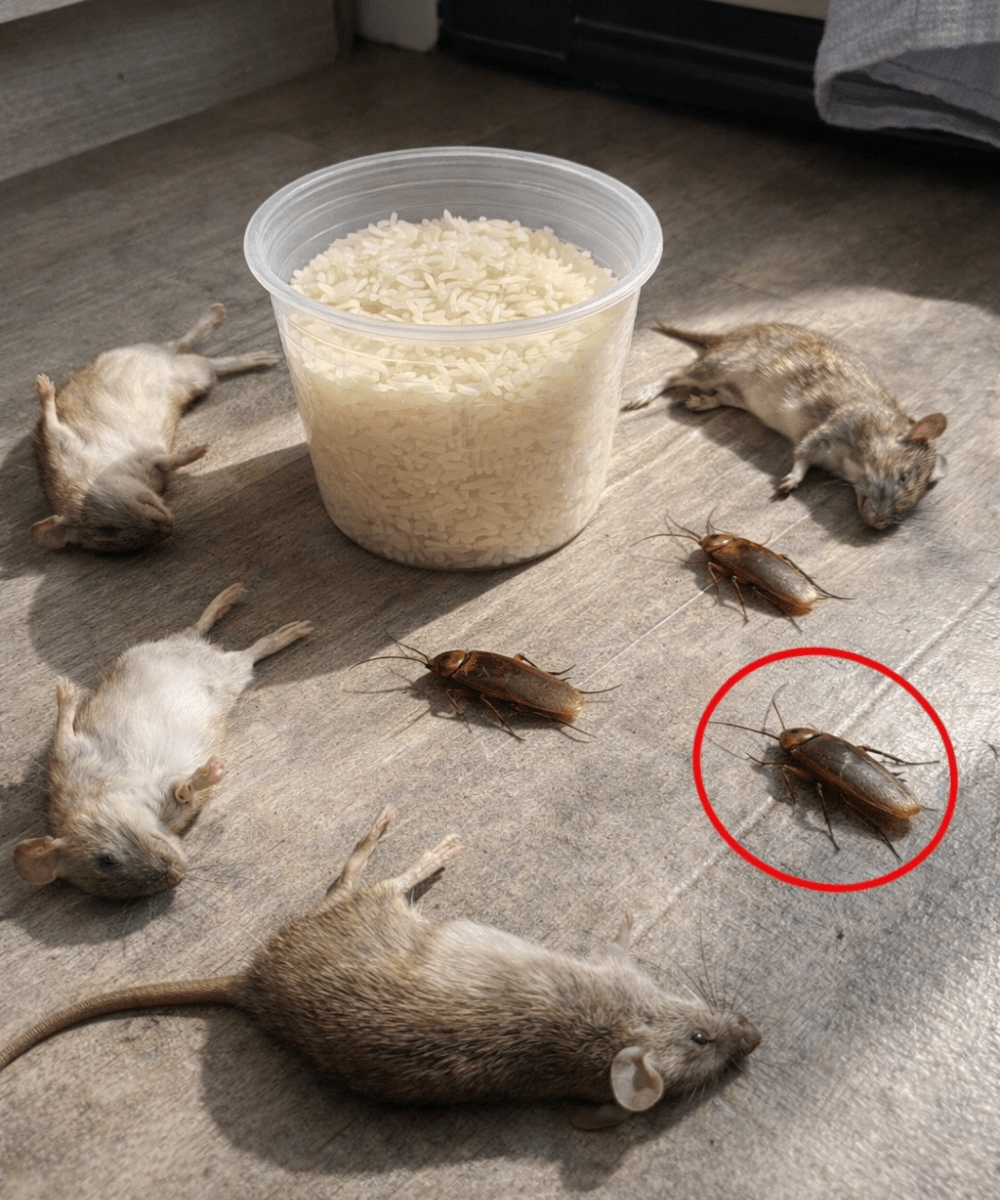
You might have seen images or tips online showing uncooked rice surrounded by affected pests, suggesting it acts as a deterrent. The idea stems from observations that some pests avoid or react negatively to rice in certain setups.
However, it’s important to understand that rice alone is actually a food source that can attract pests if left accessible. Uncooked rice is not inherently repellent and won’t solve an infestation on its own.
That said, many people combine rice with other natural ingredients to create homemade mixtures aimed at deterring pests. These blends rely on added scents or substances rather than rice itself.
Powerful Natural Ingredients That May Help Deter Pests
Certain kitchen staples have strong aromas that research suggests can interfere with pests’ ability to locate food or feel comfortable in an area. Here are some of the most commonly recommended options:
Peppermint oil: Studies, including those published in the Journal of Economic Entomology, indicate that peppermint oil can disrupt insect behavior due to its intense menthol scent.
Bay leaves: These contain compounds like eugenol and cineole, which some evidence shows may repel certain insects.
Cinnamon: Its strong spicy aroma is thought to mask food scents that attract pests.
Garlic: The sulfur compounds in garlic produce a pungent smell that many pests find overwhelming.
These ingredients are safe for most households when used properly and offer a gentle alternative to commercial products.
How to Create Simple Homemade Deterrent Mixtures
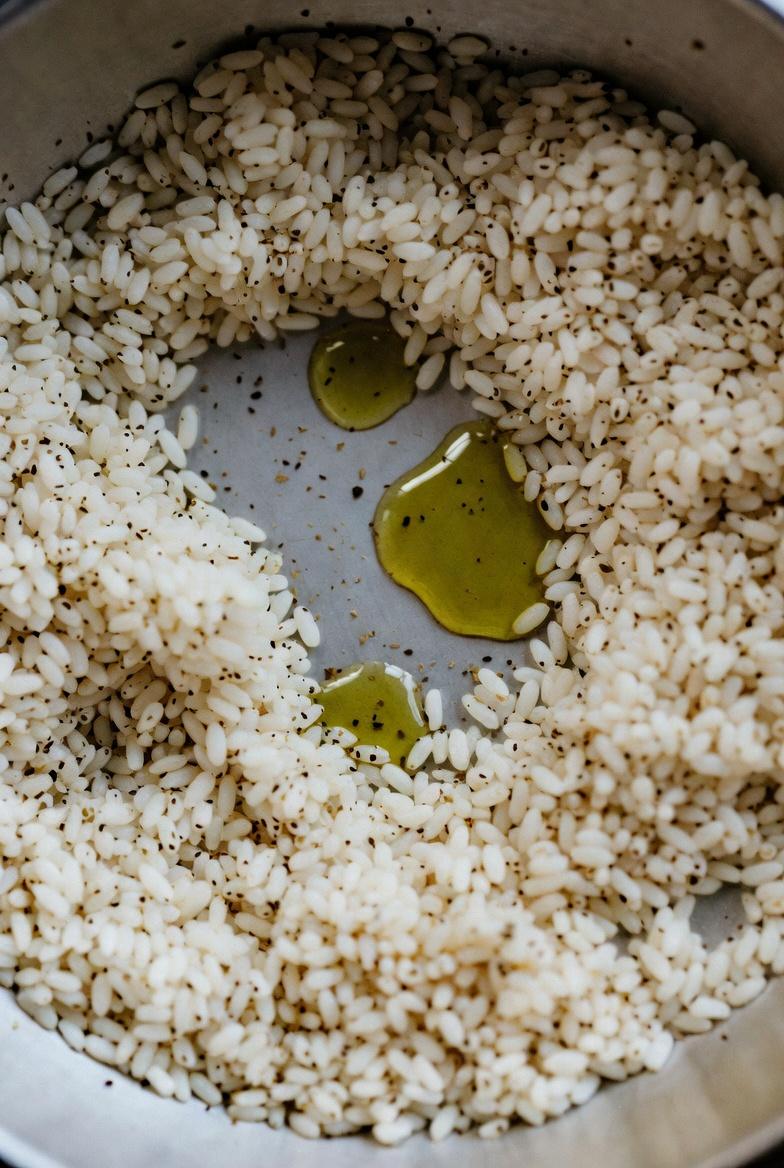
Combining the above ingredients with a base like rice can help distribute the scents more effectively around potential entry points. Here’s a step-by-step guide to making and using these mixtures safely:
- Choose dry, uncooked white rice as a carrier—it absorbs essential oils well and can be placed in small containers.
- Add a few drops of peppermint essential oil (about 10–15 drops per cup of rice) or crush fresh bay leaves, garlic cloves, or cinnamon sticks into the rice.
- Mix thoroughly in a bowl, then transfer to small shallow dishes or breathable sachets.
- Place the containers in areas where pests are commonly seen, such as behind appliances, inside cabinets, or near entry points.
- Refresh the mixture every 1–2 weeks or when the scent fades.
This method allows the strong aromas to spread gradually without creating mess or risk.
But that’s not all—there’s another surprisingly effective natural option many people overlook…
Additional Everyday Ingredients Worth Trying
Beyond scented mixtures, here are other common household items that studies and anecdotal reports suggest may help make your home less inviting:
Baking soda: When mixed with sugar and placed strategically, it can interfere with pests’ digestion (use caution and keep away from children and pets).
Vinegar: A solution of equal parts water and white vinegar can be used to wipe surfaces, removing scent trails that pests follow.
Cucumber peels: Some homeowners report success placing fresh peels near entry points due to a compound that cockroaches may avoid.
Diatomaceous earth (food-grade): This natural powder damages the exoskeletons of crawling insects when they contact it.
Always place these items out of reach of children and pets, and use them as part of a broader strategy.
Essential Prevention Habits to Keep Pests Away Long-Term
The most effective approach combines natural deterrents with good habits. Here are key steps to reduce attraction:
Seal all food in airtight containers
Clean up spills and crumbs immediately
Take out trash regularly and use lidded bins
Fix leaky pipes to eliminate water sources
Declutter storage areas to remove hiding spots
Following these habits consistently can make a significant difference over time.
Comparing Natural Methods vs. Professional Options
| Method | Pros | Cons | Best For |
|---|---|---|---|
| Homemade scent mixtures | Inexpensive, non-toxic, easy to make | Requires regular refreshing | Mild activity, prevention |
| Diatomaceous earth | Long-lasting, mechanical action | Dusty, needs careful placement | Crawling insects in dry areas |
| Professional extermination | Thorough, guaranteed results | Higher cost, chemical exposure | Severe or persistent infestations |
Choosing the right approach depends on your situation and comfort level.
This is the part many people find most helpful: combining multiple methods often yields the best results.
Final Thoughts
Keeping your home free of rats and cockroaches starts with understanding what attracts them and using natural scents and habits to make your space less welcoming. Simple mixtures with rice and essential oils, along with consistent cleaning and sealing, can support your efforts effectively.
Remember, persistence is key—most natural methods work gradually but safely.
Frequently Asked Questions
How quickly do natural deterrents start working?
Results vary, but many people notice reduced activity within a few days to a week when combined with prevention habits.
Are these methods safe around children and pets?
Most ingredients like peppermint oil and bay leaves are generally safe in small amounts, but always place mixtures out of reach and use food-grade products only.
What should I do if the problem persists?
If natural approaches aren’t enough, consider consulting a licensed pest control professional for a thorough inspection.
Disclaimer: This article is for informational purposes only and does not constitute medical or professional pest control advice. Natural methods may not work for everyone, and severe infestations should be handled by qualified experts. Always prioritize safety when using any home remedies.


