As men cross the 50-year mark, many notice a gradual drop in energy, strength, and that overall sense of drive they once took for granted. It can feel frustrating when workouts become harder, recovery takes longer, and even daily tasks seem to require more effort than before. The good news? Research shows that simple, evidence-based lifestyle and dietary habits can help the body maintain healthier testosterone levels naturally as you age. And the best part – there’s one surprisingly effective morning-and-evening routine that ties everything together… keep reading until the end to discover it.

Why Testosterone Naturally Declines After 50 (And Why It Matters)
Testosterone production typically starts declining about 1–2% per year after age 30–40. By the time most men reach 50, levels can be noticeably lower than in their younger years.
Studies published in the Journal of Clinical Endocrinology & Metabolism confirm this age-related decline is normal, but the rate varies widely depending on lifestyle factors like sleep, body fat, stress, and nutrient intake.
Lower levels are linked to reduced muscle mass, slower metabolism, fatigue, and even mood changes – things no one wants to deal with.
But here’s what most men don’t realize…
The Everyday Habits That Quietly Drain Testosterone
- Chronic poor sleep (less than 7 hours) – research from the University of Chicago showed just one week of sleep restriction dropped testosterone by up to 15%
- High body fat, especially around the midsection – fat cells contain aromatase, an enzyme that converts testosterone into estrogen
- Constant stress and elevated cortisol – a 2021 study in Psychoneuroendocrinology found prolonged stress directly suppresses testosterone production
- Nutrient deficiencies, particularly in zinc, magnesium, and vitamin D
The truth is, many men are unknowingly speeding up this decline with modern habits.
But don’t worry – small, consistent changes can make a meaningful difference.
7 Evidence-Based Ways to Support Healthy Testosterone Levels Naturally
1. Prioritize Deep, Restorative Sleep
Aim for 7–9 hours nightly. Keep the bedroom cool (60–67°F), dark, and screen-free at least 1 hour before bed.
2. Include Strength Training 2–3 Times Per Week
Resistance exercises like squats, deadlifts, and bench presses are some of the most powerful natural testosterone supporters, according to a review in Sports Medicine.
3. Maintain a Healthy Body Weight
Even modest fat loss (5–10% of body weight) has been shown in studies to raise testosterone significantly.
4. Manage Stress Daily
Short meditation, deep breathing, or nature walks lower cortisol and create a better hormonal environment.
5. Get Morning Sunlight or Safe Vitamin D
Low vitamin D is extremely common in men over 50 and strongly linked to lower testosterone. 15–20 minutes of morning sun exposure helps.
6. Eat Testosterone-Friendly Foods Every Day
Focus on:
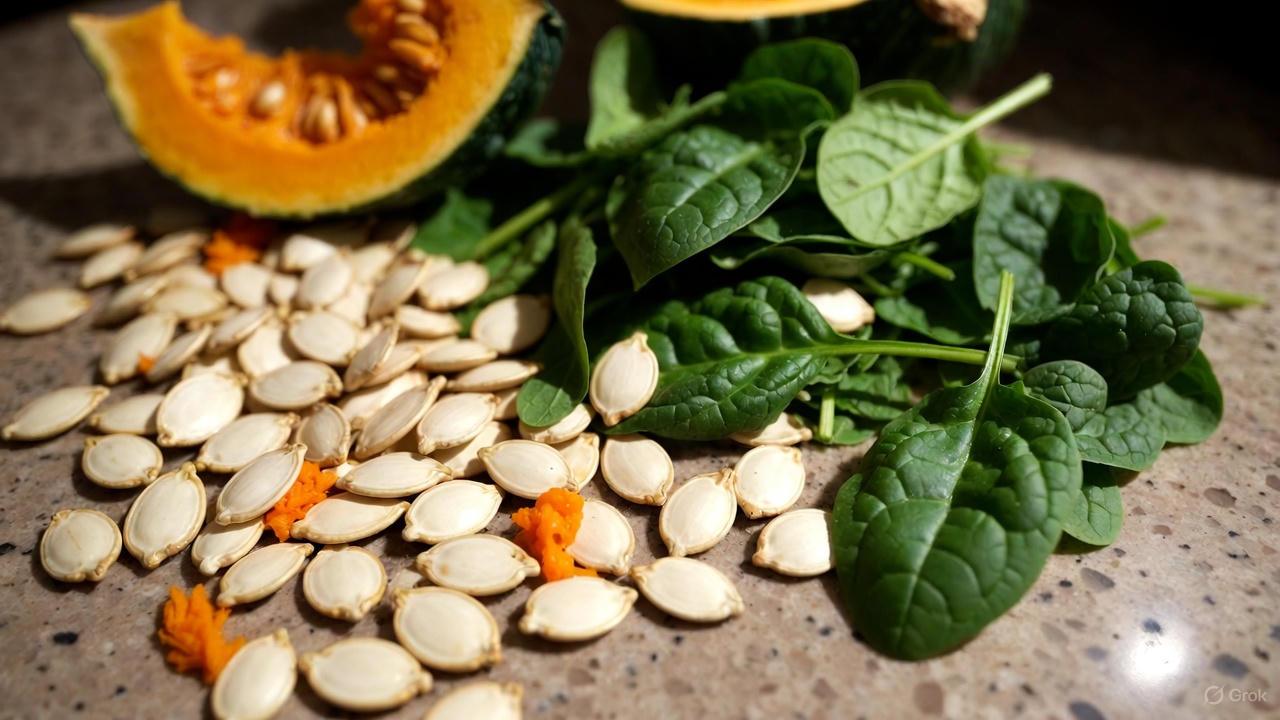
- Zinc-rich foods: oysters, beef, pumpkin seeds
- Magnesium-rich foods: spinach, almonds, dark chocolate
- Healthy fats: avocados, olive oil, fatty fish, nuts
- Cruciferous vegetables: broccoli, cauliflower (help manage estrogen)
7. The “Morning & Evening Ritual” Thousands of Men Are Using
This is the part you’ve been waiting for.
Many health practitioners, including natural-health educator Barbara O’Neill, recommend a simple twice-daily drink that combines several testosterone-supporting ingredients into one easy habit.

The Simple Morning & Evening Testosterone-Support Smoothie (Takes 2 Minutes)
Ingredients (serves 1):
- 1 ripe banana (natural energy + potassium)
- 1 tablespoon raw pumpkin seeds (one of the richest food sources of zinc)
- 1 teaspoon extra-virgin olive oil or half an avocado (healthy monounsaturated fats)
- 1 cup spinach or kale (magnesium + gentle detox support)
- ½ lemon, juiced (vitamin C + flavor)
- 1 cup unsweetened almond milk or water
- Optional: a pinch of Ceylon cinnamon (helps with insulin sensitivity)
Directions:
- Add everything to a blender.
- Blend 30–60 seconds until smooth.
- Drink once in the morning and once in the early evening (at least 2–3 hours before bed).
Why this works:
- Banana + healthy fats slow digestion and provide steady energy
- Pumpkin seeds deliver 7–10 mg of zinc per tablespoon – close to the daily requirement
- Spinach supplies magnesium that many men lack
- Lemon and olive oil improve nutrient absorption
Men who follow this habit consistently report better morning energy, improved gym performance, and an overall sense of “feeling like themselves again” within a few weeks.
How Long Until You Notice Changes?
Research suggests positive shifts in testosterone-supporting markers can begin within 3–6 weeks when combining the smoothie habit with better sleep and regular strength training. Individual results vary, of course.
Final Thoughts
Getting older doesn’t mean you have to accept low energy or fading vitality. By focusing on sleep, smart exercise, stress management, and nutrient-dense foods – especially the simple twice-daily smoothie above – many men over 50 are able to support healthy testosterone levels naturally and feel decades younger.
Start with one or two changes this week, then add the morning-and-evening ritual. Your body will thank you.
Frequently Asked Questions
1. Can I still support testosterone if I’m over 60 or 70?
Yes. Studies show men in their 70s and beyond can experience meaningful improvements with the same lifestyle strategies.

2. Is it safe to drink this smoothie every day?
Absolutely – all ingredients are whole foods. If you have specific medical conditions or take medications, check with your doctor as you would with any dietary change.
3. Do natural methods really work, or do I need hormone therapy?
For many men, optimizing lifestyle first brings levels back into a healthy range without medical intervention. Always get blood work and discuss options with your physician.
Disclaimer: This article is for informational purposes only and is not medical advice. Always consult your healthcare provider before making significant changes to your diet or exercise routine, especially if you have existing health conditions or take medications.
(Word count: 1,312)
A