
Joint discomfort becomes more common as we age, affecting millions of adults over 50 who want to stay active and enjoy daily life. The stiffness in the morning, the ache after a walk, or the hesitation before bending down can make simple activities feel challenging and limit the freedom many of us cherish. Many people search for gentle, natural approaches to help maintain mobility and ease everyday discomfort. In this guide, we’ll explore five traditional oils and three well-known herbs that have been valued for generations and supported by some scientific interest for their potential role in supporting joint health.
But that’s not all—keep reading to discover practical ways to incorporate them into your routine and tips that could make a real difference in how you feel day to day.
Why Joint Comfort Often Changes After Age 50
As we get older, the wear and tear on joints from years of movement can add up. Cartilage naturally thins over time, and inflammation can play a bigger role in daily comfort. Research shows that inflammatory processes contribute to stiffness and reduced flexibility in many adults over 55.
Factors like diet, stress, and activity levels also influence how joints feel. Less movement can create a cycle where discomfort leads to even less activity. Studies suggest that supporting the body’s natural anti-inflammatory responses through lifestyle choices may help maintain better mobility.
The good news? Many people find relief by exploring time-tested natural options alongside healthy habits.
Understanding Inflammation’s Role in Joint Health
Inflammation is the body’s natural defense mechanism, but when it becomes ongoing, it can affect joint tissues. Age-related changes can make recovery slower, and everyday stressors might keep inflammation levels higher.
Scientific reviews, including those published in journals like Arthritis Research & Therapy, indicate that certain plant compounds may help modulate inflammatory pathways gently. This is why traditional remedies from kitchens and gardens around the world continue to interest researchers today.
Ready to learn about options that have stood the test of time?
5 Traditional Oils That May Help Support Joint Comfort
These oils have been used in various cultures for centuries. Modern interest stems from their natural compounds that show promise in lab and small human studies.
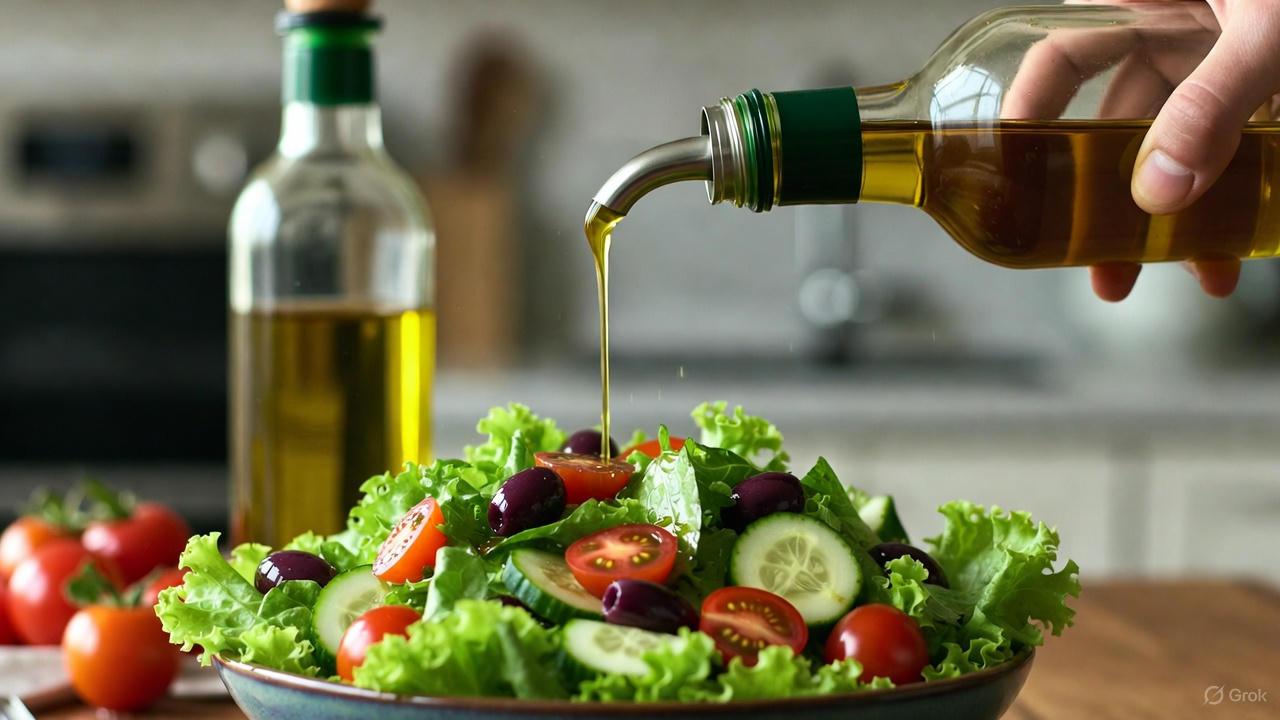
1. Extra Virgin Olive Oil – A Daily Kitchen Favorite
Extra virgin olive oil contains oleocanthal, a compound that acts similarly to some common anti-inflammatory agents in blocking certain enzymes. Studies in journals like Nature have highlighted its potential.
How to use it:
- Drizzle 1-2 tablespoons on salads or vegetables daily
- Gently massage a small amount into sore areas (diluted if needed)
- Add to warm meals for easy incorporation
Many people notice it fits seamlessly into meals without much change.
2. Eucalyptus Oil – Known for Its Cooling Effect
Eucalyptus leaves have been used traditionally in steam inhalations and topical applications. The cooling sensation comes from compounds like 1,8-cineole.
Practical tips:
- Dilute 2-3 drops in a carrier oil like coconut
- Apply gently to knees or hands before bedtime
- Combine with a warm compress for deeper comfort
Research in the Journal of Herbal Medicine notes its traditional use for soothing properties.
3. Peppermint Oil – Refreshing and Soothing
Peppermint’s menthol creates a cooling feeling that many find helpful for temporary relief. Small studies suggest it may help relax muscle tension around joints.
Easy ways to try:
- Add a few drops to a warm bath
- Mix with a carrier and massage lightly
- Use in a diffuser for overall relaxation
Always dilute properly to avoid skin sensitivity.
4. Ginger Oil – Warming and Circulating
Ginger root has a long history in Asian traditions. Its warming quality comes from gingerols, which early research shows may support healthy circulation.
Ideas for use:
- Warm a few drops with carrier oil for massage
- Apply before light stretching or walking
- Combine with olive oil for a simple blend
Studies in Arthritis & Rheumatology have explored ginger’s role in comfort support.
5. Frankincense Oil – Valued in Ancient Traditions
Frankincense resin has been prized for thousands of years. Boswellic acids are the compounds drawing modern attention for potential anti-inflammatory effects.
Suggestions:
- Dilute and apply to wrists or knees
- Use in evening routines for winding down
- Pair with deep breathing exercises
Preliminary research continues to investigate its traditional benefits.
Here’s a quick comparison of application methods:
| Oil | Best For | Common Use Method | Frequency Suggestion |
|---|---|---|---|
| Olive | Daily internal support | Cooking/drizzling | Every meal |
| Eucalyptus | Cooling sensation | Topical diluted | As needed |
| Peppermint | Quick refresh | Bath or massage | Evening |
| Ginger | Warming comfort | Warm massage | Morning or pre-activity |
| Frankincense | Deep relaxation | Diluted topical | Night routine |
3 Herbs Traditionally Used for Overall Wellness
These herbs have rich histories and some backing from modern studies for general health support.
1. Ashwagandha – An Adaptogen for Stress Balance
Known in Ayurvedic tradition, ashwagandha helps the body adapt to stress. Since stress can influence inflammation, many use it for overall calm.
How to incorporate:
- Choose standardized root extract
- Take with meals in the evening
- Start low and monitor how you feel
Clinical trials in Phytomedicine suggest benefits for stress-related concerns.
2. Turmeric – The Golden Spice
Curcumin in turmeric is widely studied. To improve absorption, combine with black pepper and healthy fats.
Simple recipe for golden milk:
- Warm plant or dairy milk
- Add ½ teaspoon turmeric powder
- Pinch of black pepper
- Optional honey for taste
Research in the Journal of Medicinal Food supports its traditional use.
3. Cinnamon – Supporting Metabolic Health
Cinnamon helps maintain healthy blood sugar levels, which indirectly supports joint comfort since spikes can worsen inflammation.
Ways to add it:
- Sprinkle on oatmeal or yogurt
- Add to tea or coffee
- Use Ceylon variety when possible
Studies show modest benefits for metabolic balance.
Practical Tips to Get Started Safely
Start small—choose one or two options that appeal most.
Step-by-step routine example:
- Morning: Drizzle olive oil on breakfast + light stretches
- Midday: Short walk with ginger oil massage beforehand
- Evening: Golden milk with turmeric and a few drops of frankincense blend
Track how you feel in a simple journal. Consistency over weeks often brings the best insights.
Bonus habits that complement:
- Stay hydrated throughout the day
- Include omega-3 rich foods like salmon or walnuts
- Practice gentle movement like walking or yoga
- Prioritize good sleep posture
Real-Life Inspiration from Everyday People
Many adults over 50 share stories of rediscovering activities they love—gardening longer, playing with grandchildren, or simply climbing stairs with ease—after adding natural routines. While everyone’s experience differs, these gentle changes often make daily life more enjoyable.
The key? Listening to your body and building habits gradually.
Conclusion: Small Steps Toward Greater Comfort
Exploring traditional oils and herbs can be a gentle way to support joint health as part of a balanced lifestyle. From olive oil in your kitchen to turmeric in evening tea, these options are accessible and backed by both tradition and emerging research.
Start with what feels right for you today. Even one small change can add up over time.
Frequently Asked Questions
Can these natural options replace my current joint support routine?
No—these are complementary approaches. Always continue any prescribed plan and discuss additions with your healthcare provider.
How long before noticing any difference?
Everyone responds differently. Some feel changes in weeks with consistent use, while others take months. Patience and regularity matter most.
Are there any interactions to watch for?
Yes, especially with medications. Turmeric and ginger can affect blood thinning, and oils may irritate skin if undiluted. Consult a professional before starting.
This information is for educational purposes only and not medical advice. Please consult your healthcare provider before trying new remedies, especially if you have existing conditions or take medications.


