
Many adults over 45 wake up with stiff joints that make simple movements feel challenging. The discomfort can build gradually, turning everyday activities like walking downstairs or getting up from a chair into moments of hesitation. It often leaves people wondering if there’s a way to feel more at ease without relying solely on quick fixes. In this guide, you’ll discover practical, evidence-based habits that may help calm inflammation and support better mobility over time.
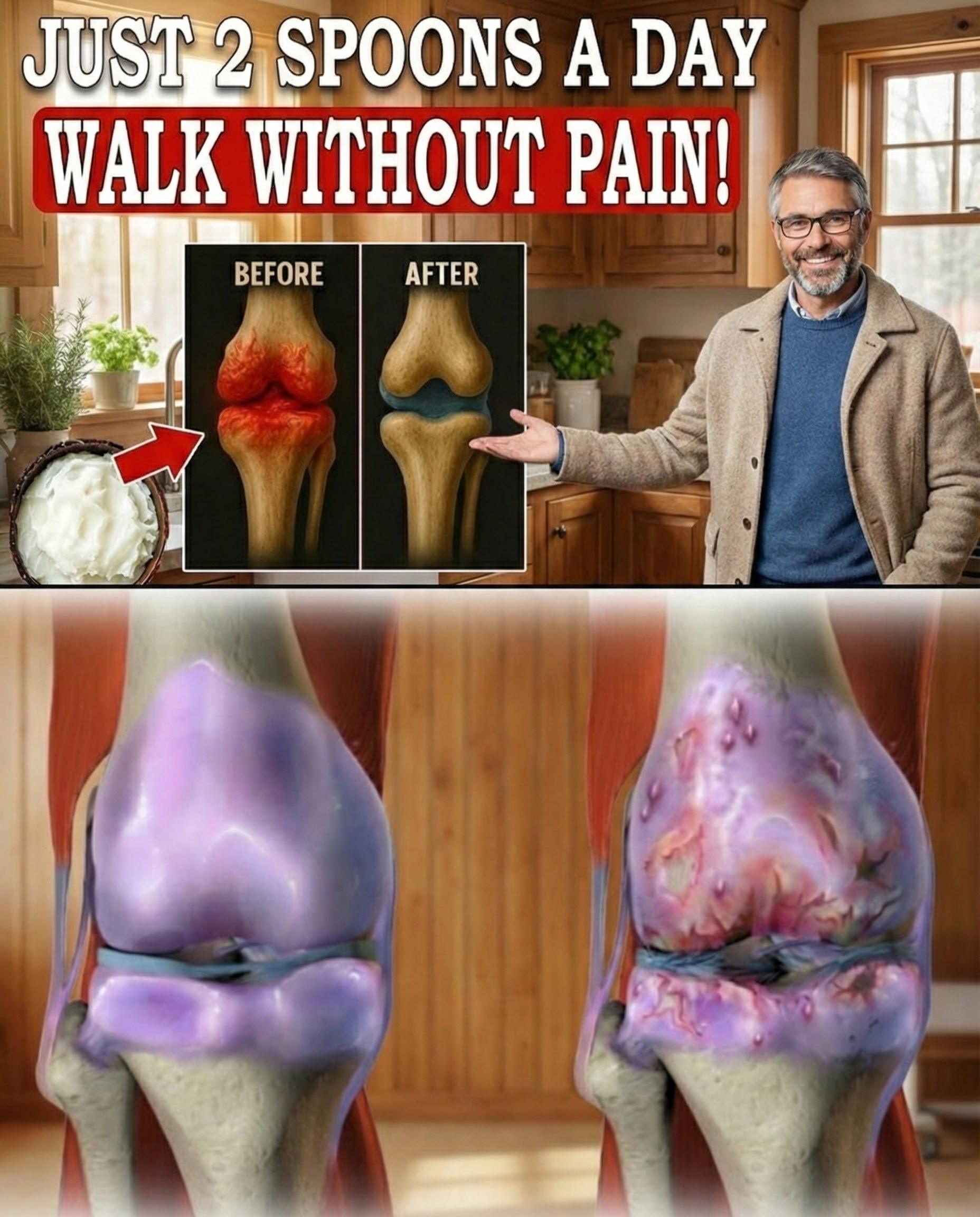
Understanding Why Joint Discomfort Develops
Joint issues often stem from years of normal wear and tear combined with ongoing low-grade inflammation. This inflammation releases substances that can slowly affect the cartilage cushioning your bones.
Cartilage doesn’t have its own blood supply, so it relies on movement and nutrients from surrounding fluid to stay healthy. Over time, this can lead to more stiffness and reduced ease of movement.
Research shows that certain lifestyle choices can influence inflammatory markers in the body. Making small adjustments might create a more supportive environment for your joints.
But that’s just the beginning. Let’s look at one of the most accessible starting points: your daily food choices.
Foods That May Help Reduce Inflammation Naturally
What you eat plays a big role in how your body manages inflammation. Some foods contain compounds that research suggests can help dial down inflammatory responses.
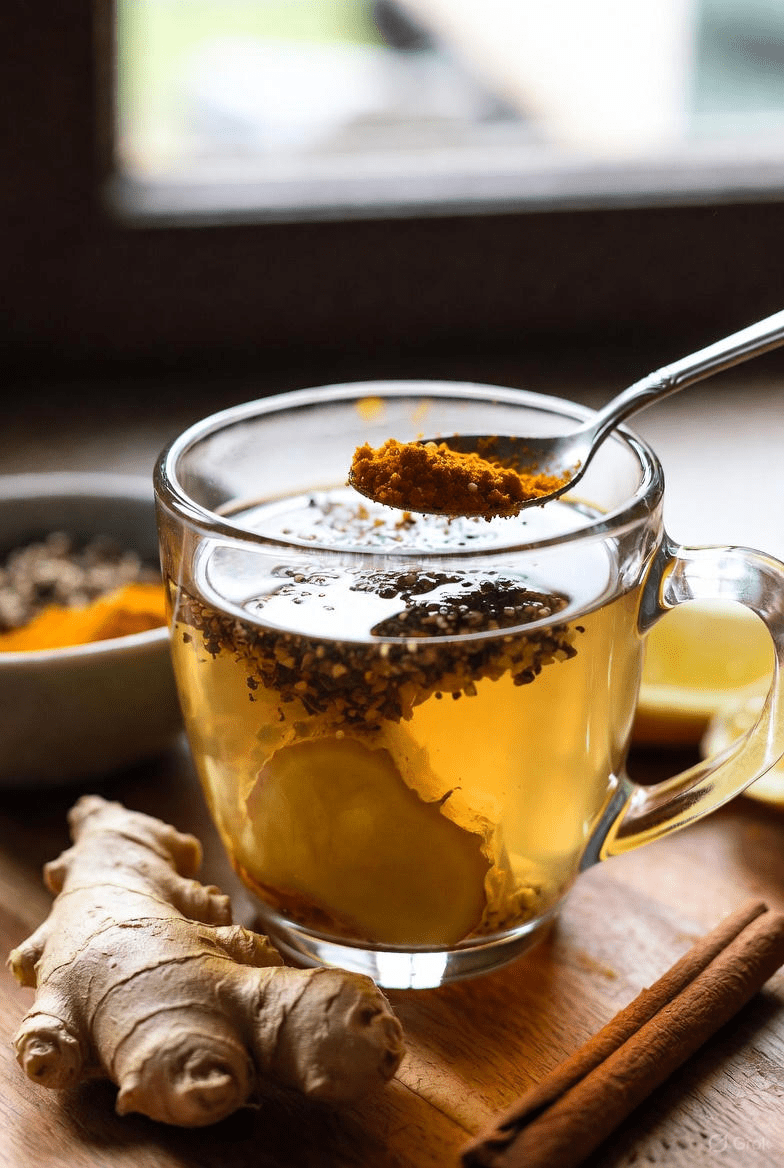
Turmeric and Black Pepper Combination
Turmeric contains curcumin, a compound studied for its anti-inflammatory properties. Studies indicate it may help ease joint discomfort in some people, often with fewer side effects than certain medications.
The catch? Curcumin isn’t absorbed well on its own. Adding black pepper, which contains piperine, can significantly improve absorption.
Try this simple habit: Mix a teaspoon of turmeric with a pinch of black pepper into warm milk (dairy or plant-based) along with some ginger and cinnamon for a comforting evening drink.
The Power of Ginger
Ginger contains gingerol, another compound with well-researched anti-inflammatory effects. Some studies show it can provide relief comparable to common over-the-counter options for many people.
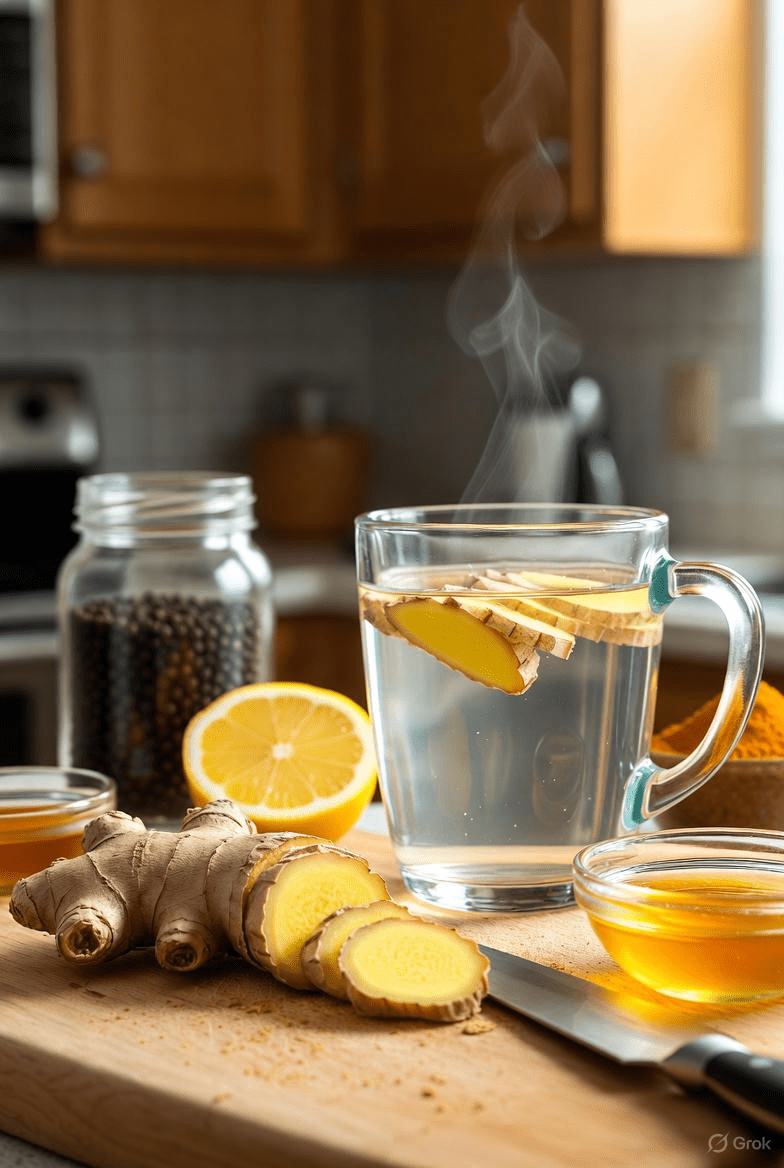
Fresh ginger tea is easy to make: Slice a thumb-sized piece of ginger root, steep in hot water for 10 minutes, then add lemon and a touch of honey if desired.
Grate fresh ginger into stir-fries, soups, or smoothies for an extra boost throughout the day.
Omega-3 Fatty Acids from Food Sources
Omega-3s are essential fats known to help modulate inflammation. Fatty fish like salmon, mackerel, and sardines are rich sources.
If you prefer plant-based options, try walnuts, chia seeds, or ground flaxseeds.
Aim for two to three servings of fatty fish per week, or sprinkle seeds on yogurt or salads daily. Consistency seems to matter most, according to research.
Cruciferous Vegetables Like Broccoli
Broccoli and its relatives contain sulforaphane, a compound that may help protect cartilage by blocking certain enzymes. Lightly steaming preserves more of these beneficial compounds.
Chop broccoli and let it sit for a few minutes before cooking—this helps activate sulforaphane.
Here’s a quick list of anti-inflammatory foods to add to your shopping list:
- Fresh turmeric root or ground turmeric (always pair with black pepper)
- Fresh ginger root
- Fatty fish such as salmon or sardines
- Broccoli, cauliflower, or Brussels sprouts
- Walnuts, chia seeds, or flaxseeds
- Garlic and onions (use liberally in cooking)
- Berries for extra antioxidant support
But reducing inflammation is only part of the picture. Your joints also need proper building blocks.
Nutrients That Support Joint Structure
Once inflammation is better managed, focusing on nutrients that contribute to cartilage and connective tissue health becomes important.
Collagen-Rich Foods and Supplements
Collagen is the main protein in cartilage. Natural production declines with age, which may contribute to stiffness.
Bone broth, made by simmering bones for several hours, naturally releases collagen along with minerals. Many people find sipping warm bone broth comforting.
Collagen peptides (hydrolyzed collagen) are another option. Some studies suggest regular intake may help reduce joint discomfort and improve mobility.
Pair collagen sources with vitamin C-rich foods like bell peppers, citrus, or strawberries—vitamin C supports your body’s collagen use.
The Role of Gentle Movement
Movement helps circulate synovial fluid, which nourishes cartilage. Without regular activity, joints can become stiffer.
Low-impact options like walking, swimming, or gentle yoga are often recommended. Start with just 15 minutes daily and build from there.
Research supports that consistent, gentle exercise can improve joint function over time.
Here’s a simple weekly plan to get started:
| Day | Food Focus | Movement Idea |
|---|---|---|
| Monday | Golden turmeric milk in the evening | 15-minute walk after dinner |
| Tuesday | Add fresh ginger to lunch | Gentle yoga stretches |
| Wednesday | Salmon or chia seed salad | Swim or water walking if possible |
| Thursday | Broccoli stir-fry with garlic | Light household chores mindfully |
| Friday | Bone broth soup | Evening stroll |
| Saturday | Omega-3 rich snack (walnuts) | Longer walk or yoga session |
| Sunday | Review the week, plan meals | Rest or very light movement |
This isn’t about perfection—it’s about building sustainable habits.
Real-Life Examples of Positive Changes
Many people report noticeable differences after consistently applying these approaches.
One woman in her late 50s shared that adding turmeric drinks and regular walks helped her feel less stiff in the mornings. She could garden again without constant discomfort.
A man in his 60s found that incorporating fatty fish and collagen-rich foods, combined with daily movement, made climbing stairs easier over several months.
Individual results vary, but small, consistent changes often add up.
The most interesting part? Emerging research continues to explore how these everyday choices influence long-term joint health.
Putting It All Together: Your Starting Plan
Begin with one or two changes rather than overhauling everything at once.
- Choose one anti-inflammatory food to add today—perhaps ginger tea or turmeric milk.
- Plan two meals this week featuring fatty fish or plant-based omega-3s.
- Include a cruciferous vegetable in at least three dinners.
- Commit to 15 minutes of gentle movement daily.
- Consider sipping bone broth or adding collagen if it fits your preferences.
Track how you feel over a few weeks. Adjust based on what works best for you.
Conclusion: Small Habits for Lasting Comfort
Supporting joint comfort naturally comes down to consistent, manageable choices. By focusing on anti-inflammatory foods, key nutrients, and gentle movement, many people experience improved mobility and less daily discomfort.
Start with whatever feels easiest today. Over time, these habits may help you move with greater ease and confidence.
Frequently Asked Questions
How long does it take to notice changes from dietary habits?
Many people report feeling differences within a few weeks, but consistent habits over months often bring more noticeable benefits. Everyone responds differently.
Can these foods replace medication?
No. These are supportive habits that may complement your overall wellness routine. Always discuss changes with your healthcare provider.
What if I don’t like fish—how else can I get omega-3s?
Plant sources like chia seeds, flaxseeds, walnuts, and algae-based supplements are good alternatives. Aim for daily inclusion.
This information is for educational purposes only and is not medical advice. Consult your healthcare provider before making significant dietary or lifestyle changes, especially if you have existing health conditions or take medications.


