The thought of managing your diet, especially as you get older, can feel overwhelming, particularly when dealing with sensitive health issues like kidney concerns. It’s frustrating to feel like the foods you once enjoyed might now be working against your health, and the constant worry about what is safe to eat can drain your energy and enjoyment of mealtimes. But what if a simple adjustment to the type of protein you choose could be a crucial part of supporting your body’s balance and vitality? There are specific protein sources that studies show may require your kidneys to work much harder, and understanding how to swap them out for gentler alternatives is the key to feeling more secure and in control of your daily well-being—a secret we’ll share at the end of this guide that goes beyond just avoiding red meat.

The Protein Puzzle: Why Your Choices Matter for Kidney Function
What Happens When Kidneys Struggle with Protein?
When your kidneys are functioning optimally, they filter waste products from your blood, including the byproducts of protein metabolism (like urea). However, if your kidneys are already compromised, processing a high load of certain types of protein creates extra work. This increased workload can place unnecessary stress on the delicate filtering units (nephrons), potentially accelerating issues. It’s not about cutting out protein entirely—that’s vital for muscle, immunity, and overall repair—but about choosing the right quantity and quality to ease the burden.
- The Filtration Challenge: Protein contains nitrogen, which turns into urea when broken down. The kidneys must expend energy and effort to excrete this urea.
- Quality Over Quantity: The source of the protein dictates how much acid load and waste the metabolism process creates, directly affecting kidney stress.
Understanding the Research Behind Dietary Stress
Research consistently suggests that excessive intake of certain proteins, especially those high in phosphorus and advanced glycation end products (AGEs), may correlate with higher stress markers in individuals managing kidney health. This isn’t just about reducing protein; it’s a strategic approach to selecting proteins that are more efficiently metabolized and contain fewer compounds that are tough on the renal system.

The 6 Proteins Seniors Might Consider Limiting for Kidney Support
It’s time to get specific. These six protein sources are often high in compounds or byproducts that could potentially add more stress to an already working-hard kidney system.
: Red and Processed Meats
This is often the first category people look at, and for good reason. The truth is, red meat (like beef and pork) and, especially, processed meats (like bacon, sausage, and deli slices) are often high in saturated fat and sodium, but the primary concern here is the phosphorus load and the acid-generating potential.
- High Acid Load: Metabolism of these meats often creates a high acid load, which kidneys must work overtime to balance.
- Hidden Phosphorus: Processed meats are notorious for containing added phosphate binders/salts for preservation and flavor, which are more readily absorbed than natural phosphorus and can raise blood levels, putting strain on both kidneys and bones.
: Full-Fat Dairy Products (In Excess)
While dairy is a great source of calcium, many full-fat products are also dense sources of protein and phosphorus, which can be challenging to manage in larger servings. But wait, there’s more… The saturated fat content can also contribute to cardiovascular risks, which often go hand-in-hand with kidney concerns.
| Dairy Type | Potential Kidney Concern | Healthier Alternative |
| Whole Milk/Cream | High fat, dense phosphorus load | Skim milk or low-lactose rice/almond milk |
| Hard Cheeses (Cheddar, Parmesan) | High sodium and phosphorus content | Small amounts of soft cheese (e.g., goat cheese) |
Protein Powders and Bars (The Concentrated Load)
It’s tempting to reach for a quick protein fix, but many commercial protein powders and bars are hyper-concentrated sources of protein (whey or casein). And here’s the kicker: They can often exceed the daily recommended protein intake in a single serving, creating an unnecessary and sudden surge of metabolic waste for the kidneys to handle. Always consult a dietitian or physician before adding supplements, especially if you have known kidney issues.
Certain Dried Beans and Legumes (The Oxalate and Potassium Factor)
Beans and legumes are generally celebrated plant-based proteins, and for most people, they are excellent. However, for individuals with specific kidney stone concerns (high oxalate) or those managing potassium levels, some types require caution. The key takeaway? Preparation matters immensely. Soaking and rinsing can significantly reduce mineral and anti-nutrient content.
- High Oxalate: Limit consumption of very high-oxalate types like spinach and certain nuts if prone to kidney stones.
- High Potassium: Large servings of beans, lentils, and peas can be high in potassium. Managing the portion size is essential.
Organ Meats
Organ meats (like liver) are highly nutritious, but they are incredibly dense in purines. When purines are metabolized, they create uric acid. And that means… high uric acid levels can be difficult for compromised kidneys to excrete and may contribute to gout and specific types of kidney stones.
Heavily Salted and Smoked Fish
While fish is generally a heart-healthy protein choice, those that are heavily smoked, salted, or cured (like some jerky, salted cod, or smoked salmon) have extremely high sodium levels. Excess sodium makes it difficult for the kidneys to regulate fluid and blood pressure, adding unnecessary workload and strain. The simple fix? Choose fresh or frozen fish and season it yourself.
4 Safer and More Kidney-Friendly Protein Choices
The good news is that there are many excellent protein choices that provide the necessary building blocks for health while being kinder to your kidneys. These options typically have a lower acid load and are easier to metabolize.
1. Eggs (The Gold Standard)
Egg whites are often considered the “perfect protein” because they are nearly pure protein with very little phosphorus. The yolk contains healthy fats and vitamins, but since it also holds most of the phosphorus, many kidney-friendly diets recommend focusing on egg whites, or limiting yolks to a few per week.
2. Poultry (Skinless and Baked)
Chicken and turkey breast (skinless) are lean proteins that, when prepared without added salts or heavy processing, offer a manageable protein load with fewer inflammatory compounds than red meat.
- Tip: Always bake, grill, or boil poultry. Avoid frying and ensure the skin is removed to lower saturated fat and phosphorus content.
3. Fresh or Frozen Fish
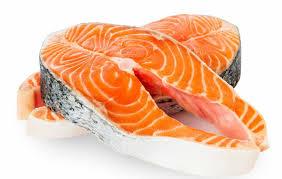
Fatty fish like salmon, tuna, and mackerel are excellent sources of anti-inflammatory omega-3 fatty acids. These can help support cardiovascular health, which is crucial for overall kidney wellness.
- Guidelines: Choose fresh or frozen fish. Be mindful of mercury levels, and strictly avoid canned fish with high added sodium or oil.
4. Tofu and Plant-Based Alternatives
Tofu, tempeh, and certain soy products offer high-quality, complete protein with a lower acid load compared to animal proteins. This is interesting: Studies suggest that plant proteins may generate less metabolic waste, making them a gentler choice for the renal system.
- Actionable Tip: Substitute ground beef with crumbled tofu in a chili or pasta sauce once or twice a week to reduce acid load.
Practical Steps to Manage Your Daily Protein Intake
Managing your diet doesn’t have to be complicated. It’s about making smart, consistent choices that add up over time.
The “Plate Rule” for Effortless Management
Instead of counting grams, try visualizing your plate for balanced meals:
- Protein: Keep your portion to about the size and thickness of a deck of cards (3–4 ounces). Focus on the “Safe 4.”
- Vegetables: Fill at least half your plate with low-potassium vegetables (peppers, onions, carrots, cabbage).
- Starches: Include a small serving of complex, kidney-friendly carbohydrates (white rice, pasta, or sourdough bread).
The Secret to Sustained Kidney Support
Remember the secret we promised? It’s not a single food, but a foundational habit: Hydration with water is the most overlooked key to easing kidney burden. Even small, sustained dehydration forces the kidneys to concentrate waste products, increasing their workload significantly. Aim to sip water consistently throughout the day, and use clear water—not sugary drinks, high-sodium broths, or excessive caffeine—to support flushing waste and maintaining healthy fluid balance. This simple, consistent action supports every aspect of your kidney function more profoundly than almost any single dietary restriction.
Conclusion and Frequently Asked Questions
Taking control of your protein choices is one of the most powerful steps you can take to support your kidney health as you age. By strategically reducing the intake of high-acid, high-phosphorus proteins and embracing lean, easy-to-process alternatives, you can significantly reduce the workload on your vital organs. Remember, small, consistent changes in your daily meals are what truly drive long-term wellness.
FAQ on Kidney-Friendly Protein
- Q: Can I still eat nuts and seeds if I have kidney issues?
- A: Yes, in moderation. Nuts and seeds are high in protein, healthy fats, and minerals, but they are also higher in potassium and phosphorus. Stick to a small serving size (about 1/4 cup) and opt for lower-phosphorus varieties like macadamia nuts or pecans.
- Q: How do I know if I’m getting enough protein?
- A: If you are consuming one small, controlled portion of a “Safe 4” protein source at each main meal (breakfast, lunch, and dinner), you are likely meeting your basic needs. If you are concerned about muscle mass loss, you should consult your doctor and a registered dietitian for a personalized assessment.
- Q: Does cooking method affect the protein?
- A: Yes, certain cooking methods, especially high-heat methods like grilling or frying, can increase the formation of AGEs (Advanced Glycation End products). These compounds are inflammatory and may stress the kidneys. Steaming, boiling, or baking at lower temperatures are generally preferred.
Disclaimer: The information provided in this article is for educational purposes only and should not be considered a substitute for professional medical advice, diagnosis, or treatment. Always seek the advice of a qualified healthcare provider or a registered dietitian before making significant changes to your diet, especially if you have a pre-existing medical condition such as kidney disease.