As you cross the age of 40, your body’s nutritional needs subtly but surely change, making certain dietary choices more impactful on your energy, heart, and brain health. You start noticing that the snacks you once enjoyed might contribute to a persistent feeling of sluggishness or joint discomfort, making the search for optimal well-being feel complicated and frustrating. This shift often leaves people wondering if the healthy foods they’ve always relied on are still serving them, especially when trying to maintain peak energy and cognitive function. The truth is, while nuts are universally recognized as healthy, not all varieties offer the same powerful support as you age.
Many people unknowingly consume certain nuts that are disproportionately high in less desirable fats or prone to specific issues, while missing out on the incredible, concentrated benefits of others. This small but vital dietary switch could be the most straightforward path to feeling more energized and mentally sharp than you have in years.
The Crucial Need for Omega Balance After 40
The most significant nutritional factor to manage as you age is the balance between Omega-3 and Omega-6 fatty acids. While Omega-6s are necessary, consuming them in excess compared to anti-inflammatory Omega-3s can contribute to systemic stress. After 40, focusing on foods that provide a balanced fat profile is essential for supporting a healthy heart and promoting cognitive vitality.
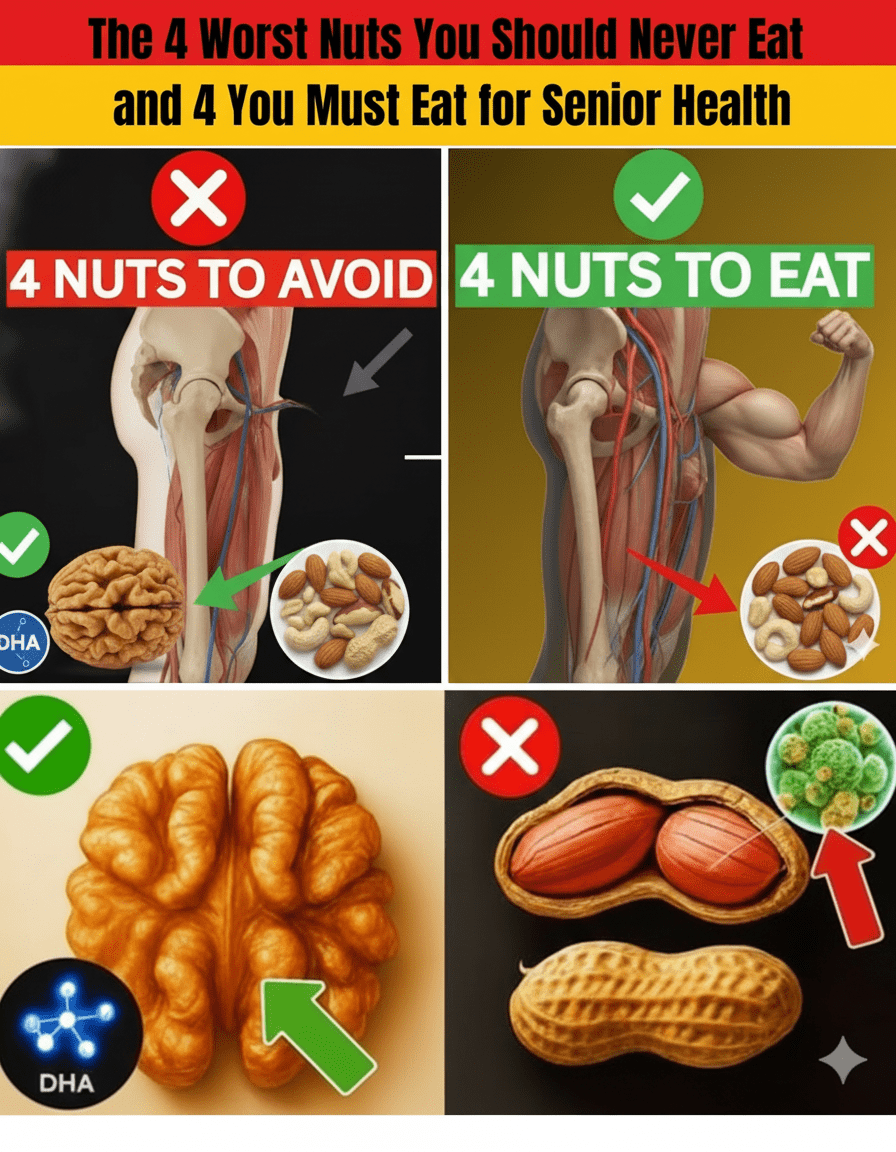
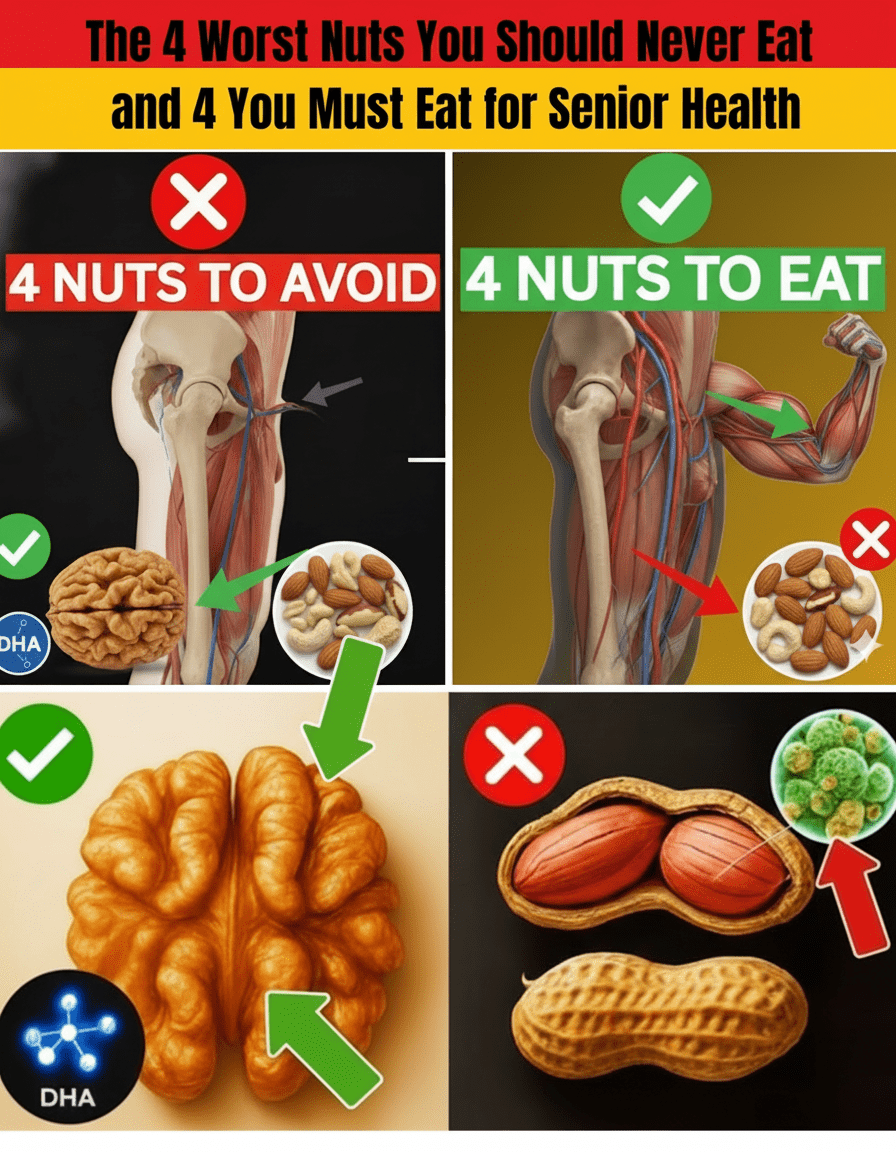
The 4 Nuts to Rethink (and Why)
While these nuts are fine in moderation, relying on them as your primary source of healthy fats can inadvertently throw off your Omega-3 to Omega-6 ratio, or introduce other potential concerns.
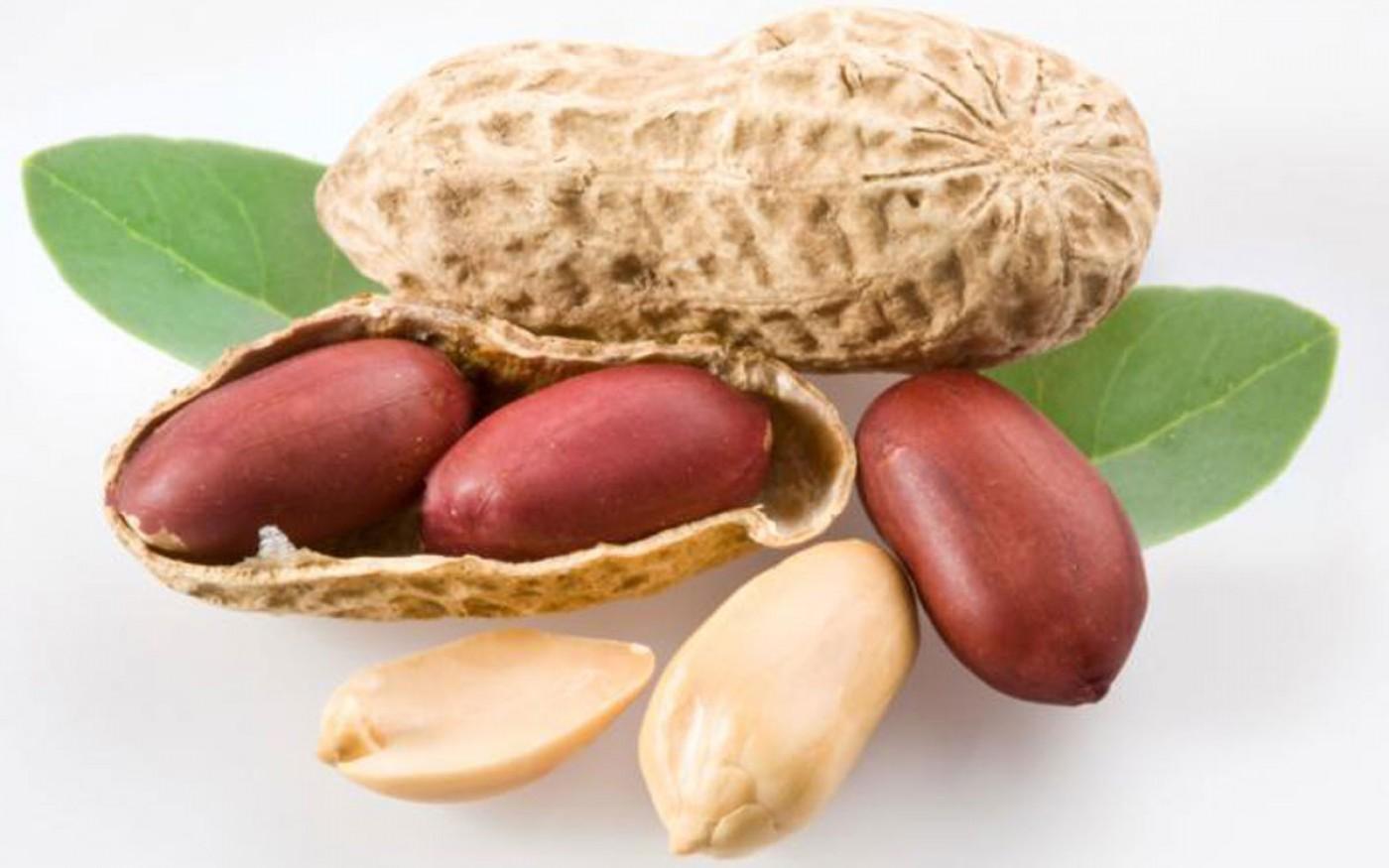
1. Peanuts (Technically a Legume, But Commonly Grouped)
Peanuts are often a staple, but they have a few downsides, especially for regular consumption after the age of 40.
- High Omega-6 Content: Peanuts contain a significant amount of Omega-6 fatty acids, which, when over-consumed, can overshadow the benefits of anti-inflammatory Omega-3s.
- Potential for Aflatoxins: Peanuts are highly susceptible to contamination by a mold that produces aflatoxins, which are undesirable compounds. Research suggests that proper storage and preparation are essential, but the risk remains higher than with tree nuts.
- Often Highly Processed: They are frequently consumed as roasted, salted, or sugary butter, negating their raw health benefits.
2. Pine Nuts
Pine nuts are delicious and nutritious, but their fat profile and potential side effects make them less ideal for daily, primary consumption compared to others.
- High in Omega-6: Similar to peanuts, they contribute significantly to the Omega-6 intake, making it harder to maintain a beneficial Omega ratio.
- “Pine Mouth” Syndrome: Some people experience temporary, metallic taste distortion after eating certain varieties of pine nuts, which, while harmless, can be unpleasant and disruptive.
- High Caloric Density: Due to their small size, it is very easy to over-consume pine nuts and exceed a reasonable calorie target quickly.
3. Candied, Salted, and Flavored Nuts
This category includes almonds, pecans, or cashews that have been heavily processed.
- Added Sugars and Syrups: Candied varieties introduce unnecessary refined sugar, which can negatively impact healthy blood sugar management and general metabolic health.
- Excess Sodium: Highly salted varieties contribute to excessive sodium intake, which is a known concern for maintaining healthy blood pressure levels.
- Damaged Fats: High-temperature processing (like deep frying or heavy roasting) can damage the healthy unsaturated fats, turning them into less beneficial compounds.
4. Cashews
Cashews are creamy and popular, but they have a slightly different fat makeup than the true powerhouses.
- Lower Omega-3 Content: Cashews offer very little in the way of beneficial Omega-3s compared to other leading nuts.
- Higher Saturated Fat: While still a relatively low amount, they contain a higher percentage of saturated fat compared to walnuts or almonds. But that’s not the biggest reason to limit them…
- Anacardic Acid: Raw cashews contain a compound that is irritating to the skin, which is why they must be steamed or roasted before consumption, making the raw form completely unavailable.
The 4 Best Nuts to Embrace for Senior Health
Switching to these four nuts ensures you are getting the optimal mix of fats, antioxidants, and essential minerals needed to support cognitive function, cardiovascular wellness, and energy post-40.
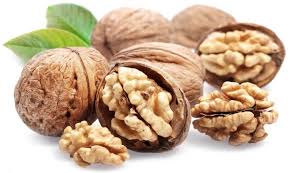
1. Walnuts: The Brain Powerhouse
Walnuts are arguably the king of nuts for aging well, primarily due to their unique fat composition.
- Highest Plant-Based Omega-3 (ALA): Walnuts are the best source of alpha-linolenic acid (ALA), a crucial Omega-3 fatty acid. Studies show that ALA supports a healthy heart and vascular system.
- Supports Cognitive Function: The shape of the walnut resembles a brain for a reason; its nutrient profile, rich in antioxidants and Omega-3s, is linked to supporting better brain health and memory.
- Antioxidant Power: Walnuts contain more polyphenols than most other common nuts, providing strong support against free radical damage.
2. Almonds: The Vitamin E Champion
Almonds are versatile and provide powerful support for skin and bone health, which becomes vital in the later decades of life.
- Excellent Source of Vitamin E: They are one of the best food sources of Vitamin E, an antioxidant that helps protect cells from oxidative stress and supports healthy skin.
- Bone Mineral Support: Almonds are rich in magnesium and calcium, essential minerals for maintaining healthy bone density and muscle function.
- High in Fiber: The fiber content in almonds helps support digestive regularity and satiety, aiding in healthy weight management.
3. Pistachios: The Heart and Eye Gem
Pistachios are a nutritional standout, offering a unique mix of beneficial fats and pigments rarely found in other nuts.
- Lutein and Zeaxanthin: These two carotenoids are vital for eye health, helping to protect the eyes from age-related changes.
- Supports Blood Pressure: Research suggests that pistachios may help the body maintain healthy blood pressure levels already within the normal range, promoting cardiovascular support.
- Protein-Rich: Pistachios offer a good amount of complete protein, which is crucial for maintaining muscle mass as you age.
4. Pecans: The Antioxidant Fighter
Pecans are not just for pies; they are loaded with specific antioxidants that offer robust systemic protection.
- Highest Antioxidant Capacity: Pecans are recognized for having one of the highest antioxidant capacities among all tree nuts.
- Rich in Zinc: This mineral is crucial for immune system function and wound healing, both important aspects of long-term health.
- Supports Healthy Cholesterol: Their fat profile and fiber content work together to support healthy cholesterol levels.
Actionable Tips: Swapping for Better Health
Making the switch is easy. It’s about changing your habits and focusing your daily intake on the powerhouses.
- Start with Walnuts: Incorporate a small handful of raw walnuts (about 1 ounce or 1/4 cup) into your daily routine. Add them to your morning yogurt, oatmeal, or salad.
- Focus on Raw or Dry-Roasted: Always choose raw, unsalted, or simply dry-roasted versions of your preferred nuts to avoid added sugar, excessive sodium, and damaged fats.
- Use Almonds as Your Primary Snack: Keep a small container of almonds for quick snacking instead of reaching for processed chips or crackers. The fiber and protein keep you feeling fuller for longer.
- Practice Portion Control: Nuts are calorie-dense. Measure out a quarter-cup serving daily and stick to it to reap the benefits without excess caloric intake.
Conclusion and FAQ
Switching your nut consumption to focus on Omega-3-rich walnuts, Vitamin E-packed almonds, eye-supporting pistachios, and antioxidant-rich pecans is a simple yet high-impact change for anyone over 40. This small adjustment can offer crucial support for your heart, brain, and energy levels, ensuring your snack habits are actively contributing to your longevity. But you are still wondering about the biggest benefit of the power nuts, aren’t you? The most profound, overarching benefit is the ability of this select group of nuts to consistently support a healthy inflammatory response throughout your entire body, giving you the foundation for sustained comfort and energy as the years go by.
1. What is the ideal daily serving size for nuts?
The generally recommended daily serving size for nuts is a small handful, which equates to about 1 ounce or approximately 1/4 cup. Because nuts are nutrient and calorie-dense, portion control is important. Measuring this small amount ensures you receive the beneficial fats, fiber, and nutrients without excessive caloric intake.
2. Can I get enough Omega-3 from just walnuts?
Walnuts are the best plant-based source of the Omega-3 ALA (alpha-linolenic acid). While the body can convert a small percentage of ALA into the more active forms (EPA and DHA), many experts recommend diversifying your Omega-3 sources. Combining walnuts with fatty fish (like salmon) or microalgae oil ensures you get a full spectrum of Omega-3s for optimal heart and brain health support.
3. What is the most common mistake when buying “healthy” nuts?
The most common mistake is buying nuts that are heavily processed, even if they appear healthy. Always look for keywords like “raw,” “unroasted,” or “dry roasted” and check the ingredient label. If the ingredients list contains more than just the nut itself (e.g., added oils, sugar, corn syrup, or excessive salt), you are likely buying a snack that works against your health goals. Simplicity is key to maximizing the nutritional benefits.
Important Medical Disclaimer: This article is for informational and educational purposes only and is not a substitute for professional medical advice, diagnosis, or treatment. Always seek the guidance of a qualified healthcare provider before making any changes to your diet, especially if you have pre-existing conditions, allergies, or are taking medication.