
Many people deal with thinning hair, dryness, or an itchy scalp as they age or face daily stressors like pollution and poor nutrition. These issues can make hair feel lifeless, reduce confidence, and lead to more shedding over time. While countless products promise quick fixes, natural options rooted in tradition often provide gentle support without harsh chemicals.
Papaya leaves, from the tropical Carica papaya plant, have gained attention in folk practices for their potential role in scalp care. Rich in enzymes, vitamins, and antioxidants, they offer a simple home approach worth exploring. But what does science say, and how can you use them safely? Keep reading to discover practical ways to incorporate them—and one surprising tip that might change how you view your routine.

Why Papaya Leaves Interest People for Hair Care
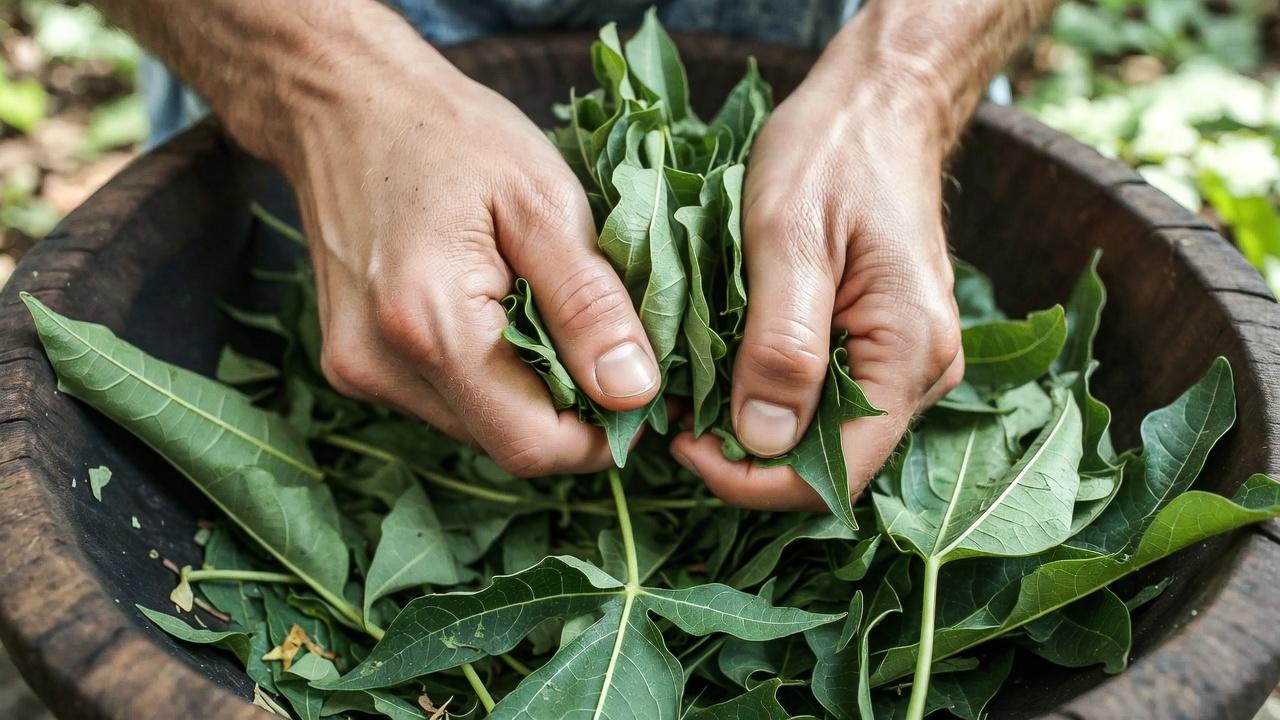
Papaya leaves contain compounds like papain (an enzyme), flavonoids, alkaloids, and vitamins A, C, and E. Traditional uses suggest these elements may help maintain a clean scalp and nourished strands.
Research on Carica papaya shows interesting phytochemical profiles. Some lab and animal studies indicate antioxidant and potential follicle-supporting effects from related plant parts. For example, certain extracts have shown promise in promoting healthier scalp environments in preliminary work. However, human studies specifically on papaya leaves for hair remain limited, with most evidence coming from traditional knowledge and small-scale research.
This gap means results vary by person. Still, the nutrient profile makes papaya leaves a popular DIY choice for those seeking natural scalp support.
Key Potential Benefits for Scalp and Hair
Here are some reasons people turn to papaya leaves, based on available insights:
- Scalp Cleansing Support — The natural enzymes may help remove buildup, oil, and impurities that can clog follicles. A cleaner scalp often feels fresher and less irritated.
- Dandruff Management — Test-tube studies show antifungal properties in papaya leaves, which could help balance scalp conditions linked to flakes. No direct human trials confirm this for common dandruff causes, though.
- Nourishment from Antioxidants — Vitamins and flavonoids act as antioxidants, potentially protecting strands from daily damage and supporting overall hair vitality.
- Improved Shine and Texture — Regular use might smooth cuticles for glossier-looking hair, thanks to natural conditioning effects.
- Circulation Boost — Some compounds may encourage better blood flow to the scalp, delivering nutrients more effectively to follicles.
But that’s not the full picture. Consistency matters most, and individual responses differ.
Simple Ways to Prepare and Use Papaya Leaves at Home
Ready to try? Start small and focus on gentle application. Always use fresh, clean leaves from a reliable source.
- Basic Papaya Leaf Rinse
- Boil 10–15 fresh papaya leaves in 4 cups of water for 15–20 minutes.
- Cool completely, strain, and use as a final rinse after shampooing.
- Massage into the scalp, leave for 5–10 minutes, then rinse with cool water.
- Do this 2–3 times per week.
- Papaya Leaf Hair Mask
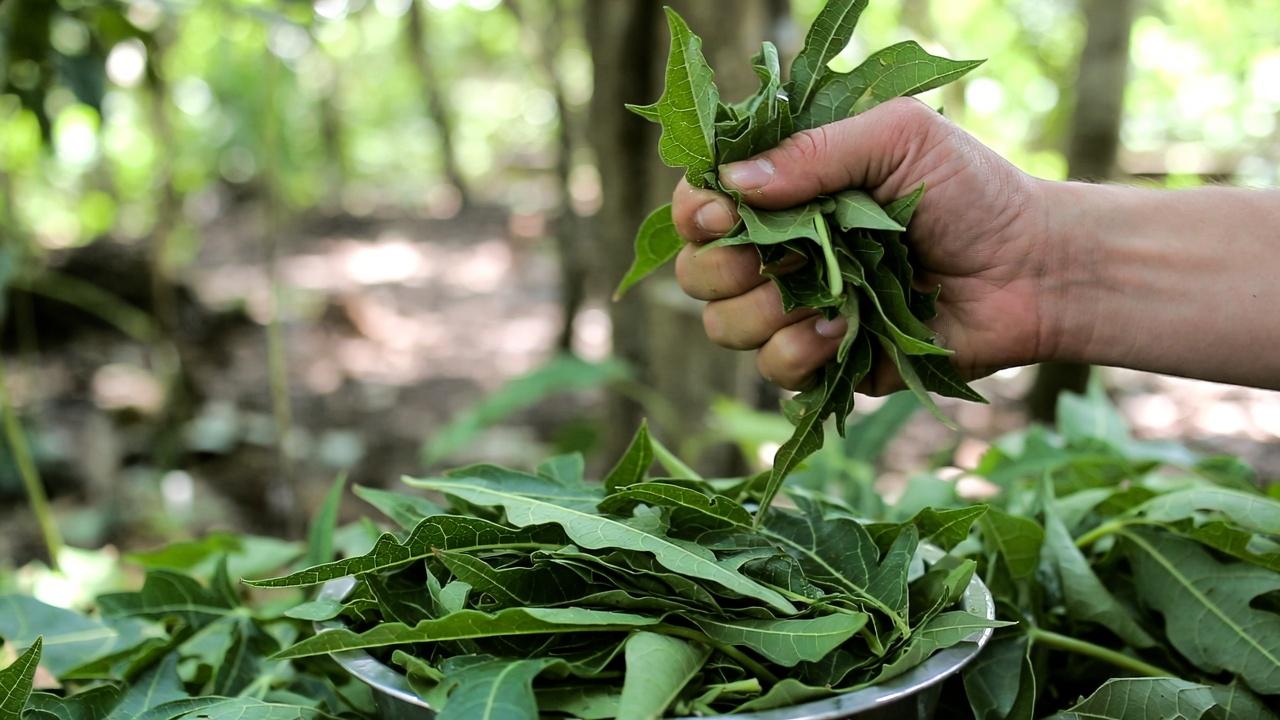
- Crush or blend 8–10 fresh leaves into a paste (add a little water if needed).
- Mix with 2 tablespoons of aloe vera gel or yogurt for soothing.
- Apply to scalp and hair, focusing on roots.
- Cover with a shower cap and leave for 20–30 minutes.
- Rinse thoroughly with mild shampoo.
- Use once weekly.
- Infused Oil Option
- Dry papaya leaves in shade, crush, and infuse in warm coconut or olive oil for 1–2 weeks.
- Strain and massage a small amount into the scalp 1–2 times per week before washing.
Quick Comparison of Methods
| Method | Frequency | Best For | Prep Time |
|---|---|---|---|
| Leaf Rinse | 2–3x/week | Quick scalp refresh | 20–30 min |
| Hair Mask | 1x/week | Deeper nourishment | 15–25 min |
| Infused Oil | 1–2x/week | Dry or damaged hair | Longer (infusion) |
Patch test first: Apply a small amount to your inner arm for 24 hours to check for irritation.
Safety Tips and Things to Watch For
Papaya leaves are generally considered safe for topical use in moderation. Animal studies show low toxicity, and human reports mention few issues. Still, some may experience mild irritation, especially if sensitive.
Avoid if allergic to papaya or latex. Pregnant or breastfeeding individuals should consult a doctor first. Stop if redness, itching, or discomfort occurs.
Overuse won’t speed results—stick to recommended frequencies.
What to Expect and How to Get the Most Out of It
Natural approaches like this take time—often 4–8 weeks of regular use to notice changes like softer hair or a calmer scalp. Combine with a balanced diet, gentle handling, and stress management for better support.
One often-overlooked tip: Pair papaya leaf care with scalp massages during application. This boosts circulation naturally and enhances absorption.
Have you tried papaya leaves yet? Many find the earthy scent and simple process refreshing compared to store-bought options.
FAQ
How often can I use papaya leaves on my hair? Most people start with 1–3 times per week, depending on the method. Listen to your scalp—if it feels good, maintain; if dry, reduce.
Can papaya leaves replace professional hair treatments? No, they’re a supportive home option. For ongoing concerns like significant thinning, see a dermatologist or healthcare provider.
Are there any foods that pair well with papaya leaf routines? Yes—focus on nutrient-rich foods like nuts, eggs, and leafy greens to support hair from within.
This information is for educational purposes only and not a substitute for professional medical advice. Consult a healthcare provider before starting new remedies, especially if you have health conditions or concerns.


