Busy days, endless to-do lists, and the constant search for meals that actually taste good while keeping you energized — sound familiar? You want something fresh and satisfying that doesn’t leave you raiding the fridge an hour later, yet most “healthy” options feel bland or take forever to prepare. What if a single plant — one that grows almost by itself — could give you that crisp, juicy bite you crave plus a serious nutrient boost most people only get from fish or supplements? Keep reading, because by the end I’ll share the ridiculously simple trick that turns this common “weed” into your new favorite ingredient.
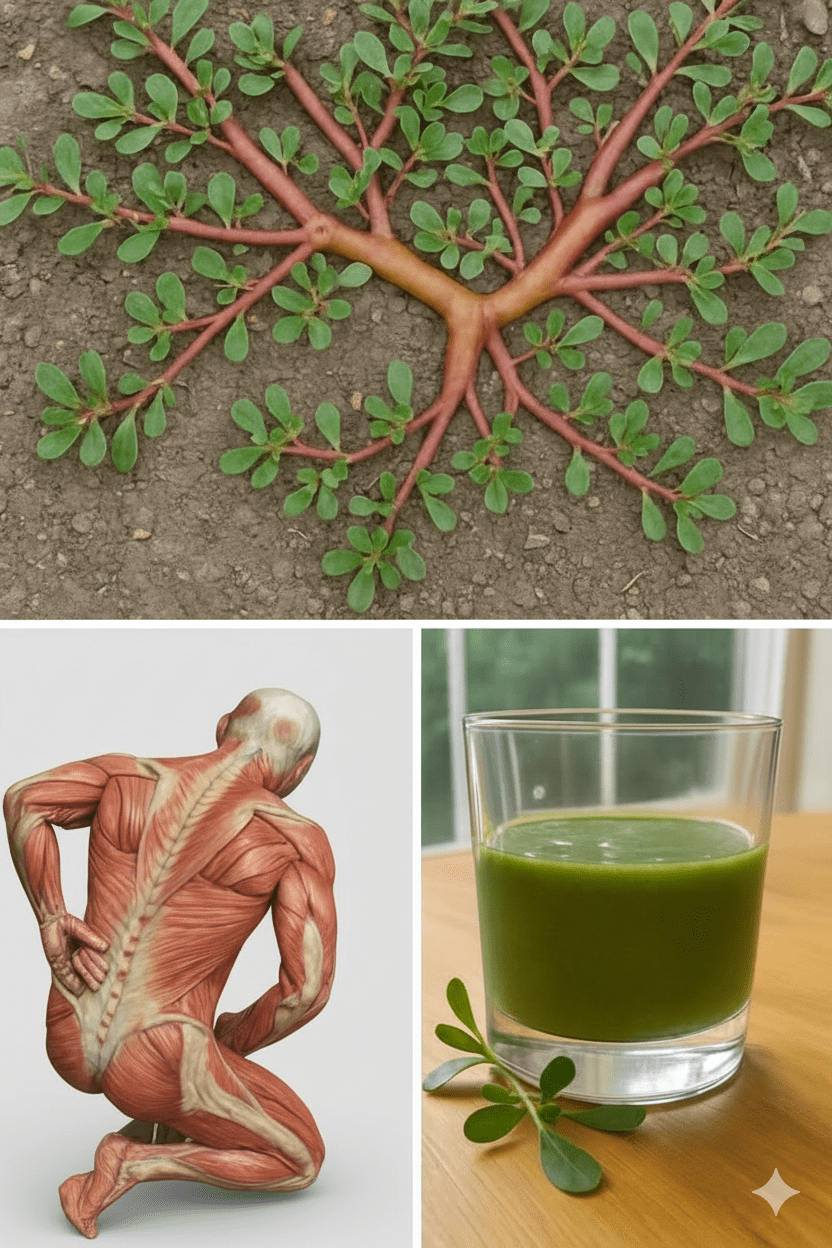
Why Purslane Is Quietly Becoming a Favorite Among Nutrition Experts
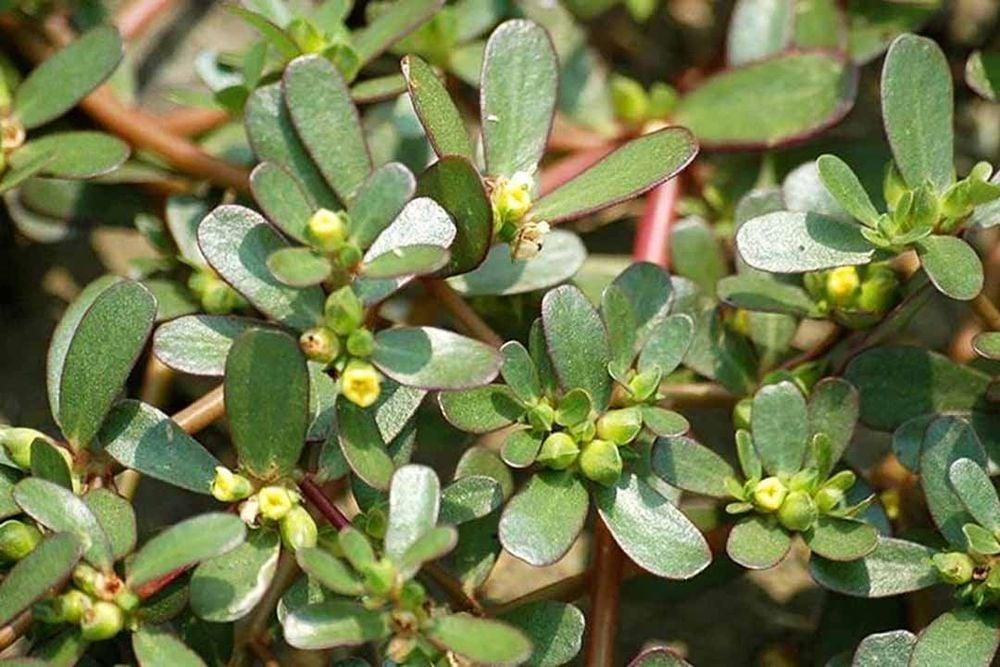
Purslane (Portulaca oleracea) has been eaten for thousands of years across the Mediterranean, Middle East, and Asia. Today researchers are rediscovering what traditional cultures already knew: this succulent little plant is loaded with hard-to-get nutrients in forms your body can actually use.
The best part? It has a mild lemony-salt flavor and a pleasant crunch that makes salads, tacos, and even eggs feel more satisfying — no meat required.
Reason 1: One of the Richest Plant Sources of Omega-3 Fatty Acids
Most people think omega-3s only come from salmon or chia seeds. Purslane actually contains more alpha-linolenic acid (ALA) than spinach, kale, or almost any other leafy green — up to 400 mg per 100 g serving, according to studies published in the Journal of the American College of Nutrition.
Why does this matter day-to-day? Research continues to link higher plant-based omega-3 intake with steady energy, sharper focus, and less of that low-grade inflammation that makes you feel stiff or foggy.
Reason 2: A Surprisingly Complete Vitamin and Mineral Profile
A single cup of fresh purslane leaves delivers:
- Vitamin A – 1,320 IU (over 25% daily needs) → supports eyes and immune health
- Vitamin C – 21 mg (about 25% daily needs) → helps with collagen and antioxidant protection
- Vitamin E – 12 mg (81% daily needs) → great for skin and cell protection
- Magnesium – 68 mg (17% daily needs) → helps muscles relax and promotes calm
- Potassium – 494 mg (over 10% daily needs) → important for fluid balance and blood pressure
Data from the USDA and University of Florida show purslane often beats common greens in bioavailability — meaning your body absorbs more of what it offers.
Reason 3: Naturally Heart-Friendly Nutrients in One Package
The combination of potassium, magnesium, and plant-based omega-3s gives purslane a nutrient profile that supports normal blood pressure and healthy circulation. Multiple clinical reviews note that diets rich in these compounds are linked to better cardiovascular markers over time.
Add its betalain pigments and polyphenols — powerful antioxidants also found in beets — and you have gentle daily support for your heart without popping extra pills.
Reason 4: Low-Calorie Volume That Actually Keeps You Full
At only 20 calories per cup yet high in water and gentle fiber, purslane adds satisfying bulk to meals. That juicy crunch tricks your brain into feeling fuller on fewer calories — perfect when you’re trying to eat lighter without feeling deprived.
Its mild mucilage (a soothing, gel-like substance) also coats the stomach and supports comfortable digestion for many people.
Reason 5: Antioxidant Power Most Greens Can’t Match
Purslane contains glutathione, melatonin, betalains, and high levels of vitamins C and E — a rare combo that helps neutralize everyday oxidative stress. Preliminary studies suggest these compounds may support recovery after exercise and better sleep quality.
Reason 6: Possibly the Easiest Edible Plant You’ll Ever Grow
Here’s where it gets fun.
Purslane laughs at heat, drought, and poor soil. It germinates in days, self-seeds generously, and regrows after every harvest. Many gardeners call it “set-it-and-forget-it” nutrition.
You can grow it in garden beds, containers, or even a sunny windowsill pot. No pesticides needed — pests mostly leave it alone.
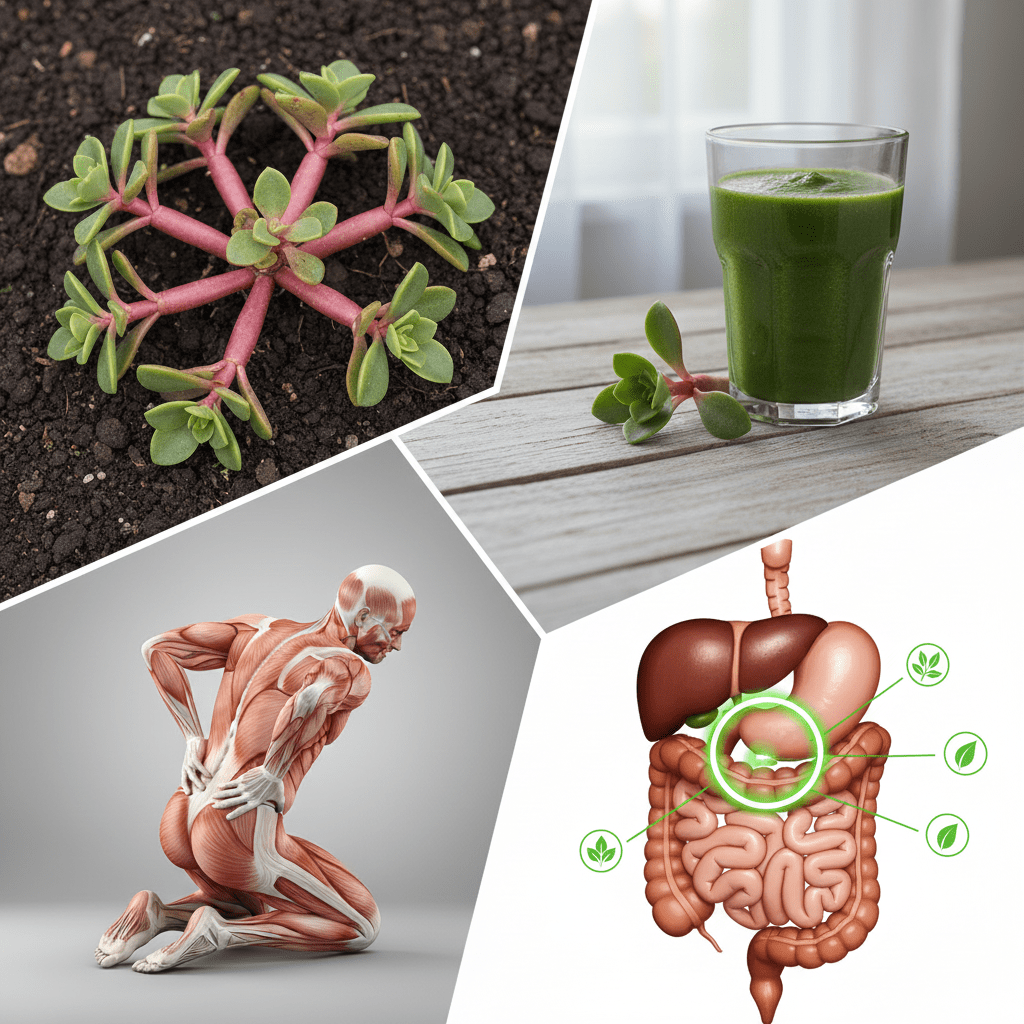
Reason 7: Flavor and Texture That Make Healthy Eating Feel Like a Treat
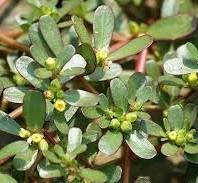
Raw: crisp, juicy, slightly lemony with a hint of salt Cooked: silky texture similar to cooked spinach but with more body Stems: mild and crunchy — perfect for pickling
Quick ways people love it:
- Tossed raw into salads or grain bowls
- Added to tacos instead of lettuce
- Blended into green smoothies (the saltiness balances fruit perfectly)
- Sautéed with garlic and eggs
- Turned into a bright lemony pesto
- Quick-pickled stems as a probiotic snack
How to Grow Your Own Purslane in 5 Simple Steps (Even If You Kill Everything)
- Get seeds or a small starter plant — packets cost $3–5 online or at most nurseries.
- Choose a sunny spot with well-draining soil (it tolerates sand or clay).
- Scatter seeds lightly on the surface and press in — barely cover. Water gently.
- Seedlings appear in 7–14 days. Thin to 6–8 inches apart if crowded.
- Harvest outer leaves and stems whenever you want — the plant keeps producing all season.
That’s literally it. You’ll have free, fresh purslane from late spring until frost.
Delicious Everyday Recipes to Get You Started
- Two-Minute Purslane Tacos Fresh purslane + diced tomato + avocado + feta + squeeze of lime on warm corn tortillas.
- Lemony Purslane Pesto 2 cups purslane + 1 cup basil + ⅓ cup nuts + garlic + olive oil + lemon juice. Blend and toss with pasta or spread on toast.
- Morning Omega Eggs Sauté a big handful of purslane with onion, fold into scrambled eggs.
Final Thought: Small Habits, Big Payoff
Adding a handful of purslane a few times a week is one of the easiest ways to get more omega-3s, antioxidants, and minerals without changing your entire diet. It grows like a weed (because it basically is one), tastes better than most salad greens, and gives you bragging rights that you’re eating something nutrition researchers are genuinely excited about.
Start with one pot or one corner of your garden this weekend — you’ll be shocked how fast it takes over… in the best way possible.
Frequently Asked Questions
Is purslane safe to eat raw? Yes, it’s commonly eaten raw in many countries. Just rinse well and enjoy the crisp texture.
How much purslane should I eat? ½ to 1 cup several times a week is a comfortable amount for most people. Variety is always best.
Can I eat purslane if I’m prone to kidney stones? Purslane contains moderate oxalates. If you have a history of calcium-oxalate stones, talk to your doctor or dietitian first.
Where can I find purslane if I don’t want to grow it? Check farmers’ markets (often sold as “verdolaga” in Latino markets), Middle Eastern groceries, or forage in clean areas — but always identify it correctly.
Disclaimer: This article is for informational purposes only and is not medical advice. Please consult your healthcare provider before making significant dietary changes, especially if you have existing health conditions or take medications.