
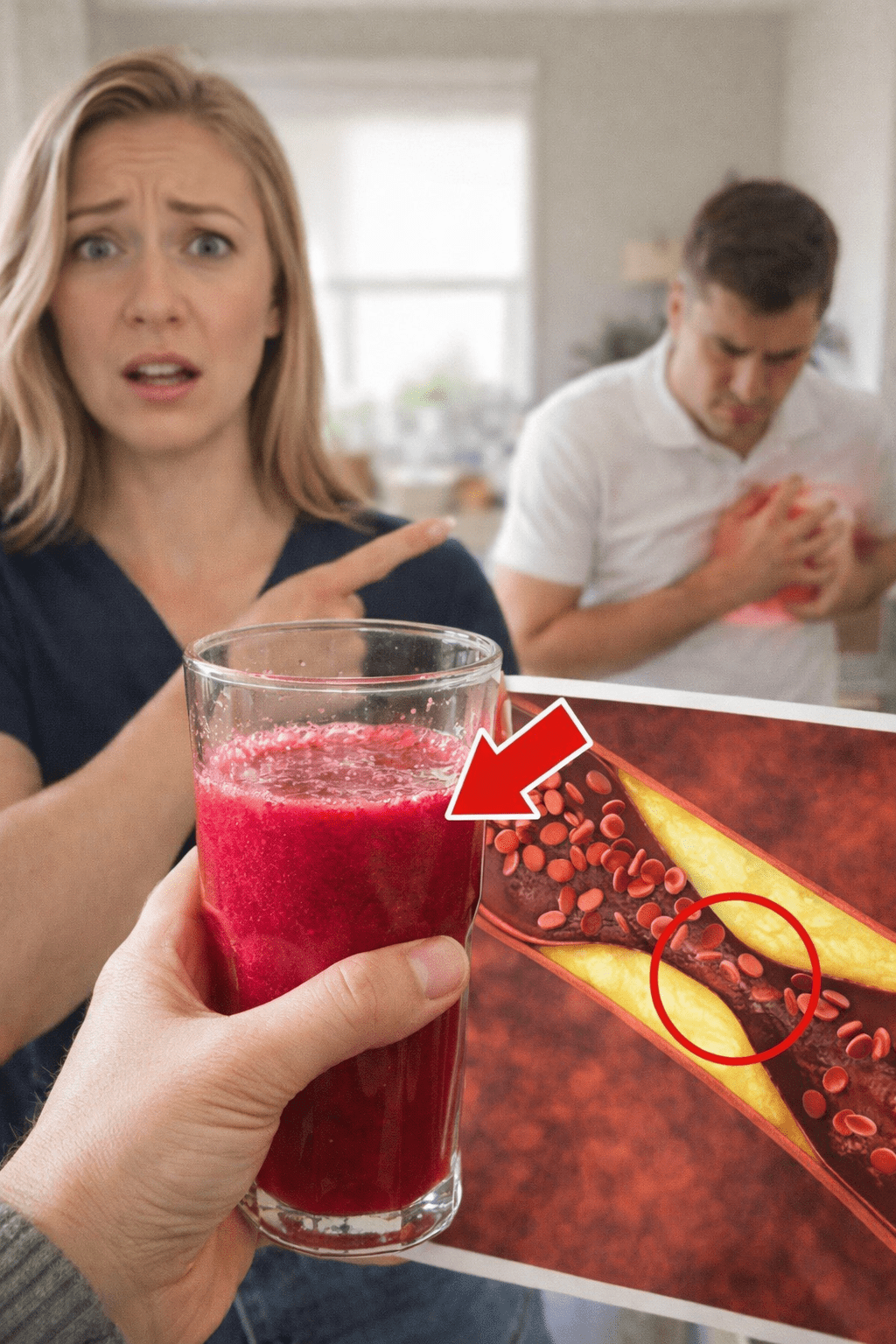
Many people over 40 quietly worry about their heart health as they notice subtle changes like feeling more tired on stairs or a vague tightness in the chest. Plaque buildup in arteries often happens gradually without obvious signs, influenced by factors like daily stress, diet, and activity levels. This can leave anyone feeling uncertain about what’s happening inside their blood vessels. The good news is that small, enjoyable habits—like incorporating certain plant-based drinks—may contribute to better circulation and vascular support when part of a balanced lifestyle.
But here’s the part most people overlook: the real power comes not from one magic drink, but from a simple routine you can actually maintain long-term. Keep reading because later we’ll share an easy one-cup ritual that many find surprisingly doable, along with practical ways to make it stick.
Why Artery Health Matters More Than You Think
Arteries carry oxygen-rich blood throughout your body. Over time, various lifestyle factors can affect their flexibility and function. Research shows that supporting healthy blood pressure patterns, oxidative balance, and blood vessel relaxation through diet may play a helpful role in cardiovascular wellness.
The endothelium, the thin lining inside blood vessels, is especially important—it helps regulate flow and response to activity. Studies suggest plant compounds like antioxidants and nitrates can support this lining when consumed regularly.
But that’s not all… the key is consistency, not perfection.
Popular Drinks People Use for Cardiovascular Support
Many natural beverages contain compounds studied for heart-friendly effects. Here’s a realistic look at some of the most talked-about options:
- Green tea — Rich in catechins like EGCG, research links regular intake to better oxidative balance and vessel function.
- Hibiscus tea — Packed with anthocyanins, multiple meta-analyses of randomized trials show it may help support healthy blood pressure patterns, especially in people with elevated levels.
- Beet juice — High in dietary nitrates that convert to nitric oxide in the body, systematic reviews indicate it can aid blood vessel relaxation and circulation comfort.
- Pomegranate juice — Contains powerful polyphenols; some studies associate modest amounts with improved blood flow and antioxidant support.
- Others like tomato juice or tart cherry — Offer lycopene or additional polyphenols that contribute to overall dietary patterns for heart health.
Here’s a quick comparison table to help you choose:
| Drink | Key Compounds | Potential Support Area | Best Time to Enjoy |
|---|---|---|---|
| Green tea | Catechins (EGCG) | Oxidative balance & vessel function | Morning or afternoon |
| Hibiscus tea | Anthocyanins | Blood pressure patterns | Midday or evening |
| Beet juice | Dietary nitrates | Nitric oxide pathways & relaxation | Before activity |
| Pomegranate juice | Polyphenols | Circulation & antioxidant defenses | Small serving anytime |
These aren’t miracle cures, but evidence from clinical reviews suggests they can be helpful additions.
Common Mistakes That Reduce the Benefits
Even helpful drinks can work against you if not used thoughtfully. High sugar from undiluted juices can add unnecessary calories. Replacing meals with drinks misses out on fiber and protein. Starting with too many changes at once often leads to quitting.
Simple guardrails make a big difference:
- Always choose unsweetened versions when possible.
- Dilute juices with water to keep portions moderate.
- Pair your drink with a meal or snack for better balance.
- Start with just one new habit for a week before adding more.
This approach helps you build momentum without overwhelm.
The Easy One-Cup Ritual Many People Stick With
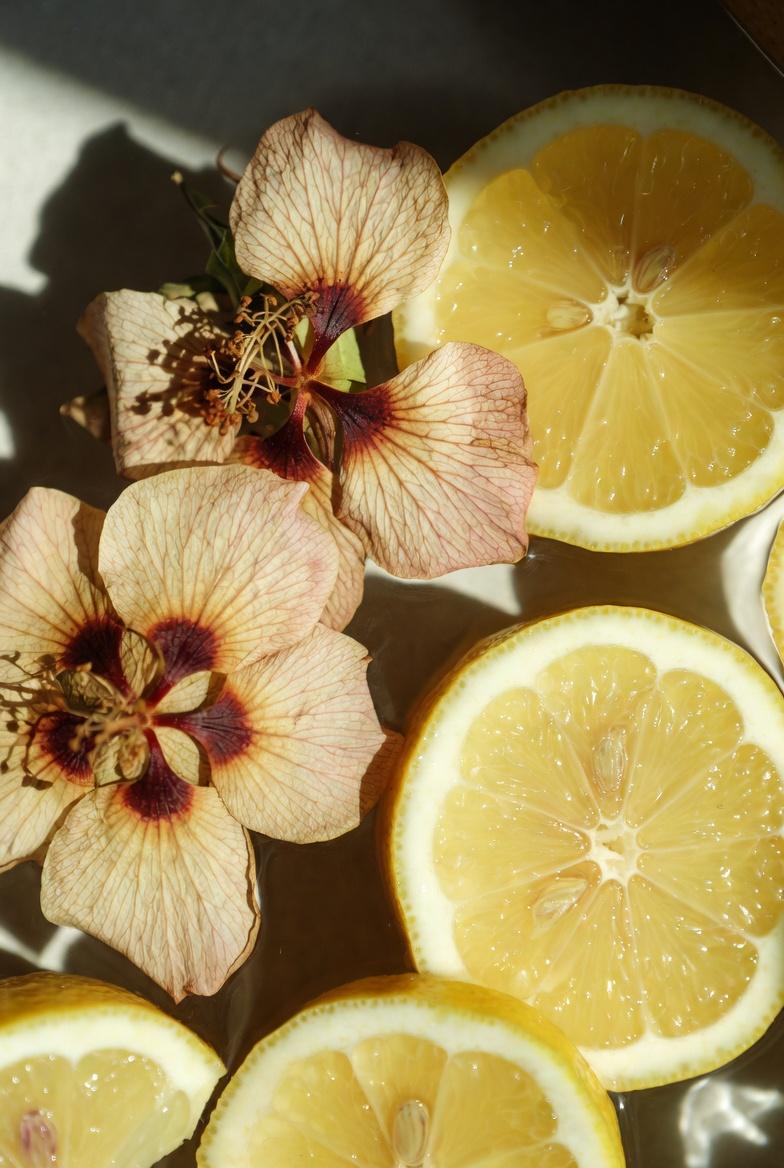
If you want something straightforward and enjoyable, try this Citrus Hibiscus Builder (makes 1 cup):
- Brew 1 cup of hibiscus tea using dried hibiscus flowers (unsweetened).
- Add a fresh squeeze of lemon or lime for bright flavor and vitamin C.
- Optional: Grate in ½ teaspoon fresh ginger for extra warmth.
- Sweeten lightly with 1 teaspoon honey only if needed—most find it naturally tart and refreshing.
Enjoy it warm in the morning or chilled in the afternoon. Studies, including meta-analyses, support hibiscus for potential blood pressure benefits when consumed regularly.
But here’s the interesting part… the drink itself is just the anchor. The bigger win comes from what it encourages next.
7 Practical Benefits This Routine May Help Support
- A sense of calm control — Starting a small daily ritual reduces health anxiety and builds confidence.
- Improved hydration habits — Flavorful drinks make you drink more, supporting overall circulation.
- Antioxidant-rich support — Plant compounds help maintain oxidative balance for vessel health.
- Gentle vessel relaxation — Nitrates and polyphenols may aid natural relaxation pathways.
- Better daily recovery — Feeling more comfortable after movement encourages consistency.
- A supportive environment for cholesterol patterns — Replacing less healthy beverages with these options fits heart-friendly eating.
- Long-term momentum — Combining one enjoyable drink with basics like walking creates lasting progress.
These benefits compound when you treat the drink as part of a bigger picture.
A Beginner-Friendly 30-Day Plan
Pick 1-2 drinks to rotate:
- Days 1-10: Citrus Hibiscus Builder midday.
- Days 11-20: Green tea in the morning.
- Days 21-30: Small diluted beet juice before a walk (if you enjoy the earthy taste).
Add this non-negotiable: 10-15 minutes of gentle walking after one meal daily. Small steps build habits that last.
Safety Tips to Keep in Mind
If you take blood pressure medications, hibiscus may enhance effects—check with your doctor first. For diabetes management, dilute juices to control natural sugars. Those on blood thinners or with kidney concerns should seek personalized advice before adding new items.
What Most People Ask About These Drinks
FAQ
Can one drink really make a big difference in artery health? No single drink transforms arteries overnight, but consistent use as part of a healthy lifestyle may provide supportive benefits over months, according to various studies.
Which drink should I start with if I’m new to this? Hibiscus tea is often easiest—low-calorie, caffeine-free, and widely available. Start unsweetened and adjust to your taste.
How much should I drink each day? Aim for 1 cup (8-10 oz) of tea or diluted juice. More isn’t always better; focus on enjoyment and sustainability.
Final Thoughts
Incorporating a simple daily drink like the Citrus Hibiscus Builder can be a gentle, empowering way to support your cardiovascular wellness. Pair it with movement, better sleep, and fiber-rich foods for the best results. Progress happens slowly—and that’s okay. Your body responds best to steady, realistic habits.
This article is for informational purposes only and is not intended as medical advice. Please consult a qualified healthcare professional before making changes to your diet, especially if you have existing health conditions or take medications. Individual results may vary.


