
Heavy, aching legs at the end of the day can make even simple activities feel exhausting. That persistent discomfort in your knees, ankles, or calves often builds quietly over time, leaving you searching for ways to feel more at ease. Many people experience this kind of leg tiredness or joint stiffness, especially after long hours on their feet or as part of everyday life.
The good news is that gentle, everyday habits and home routines can help promote relaxation and better daily comfort. And here’s something intriguing: a few kitchen staples you’ve probably used for cooking might offer surprising support when prepared in simple ways. Keep reading to discover easy steps you can try at home.
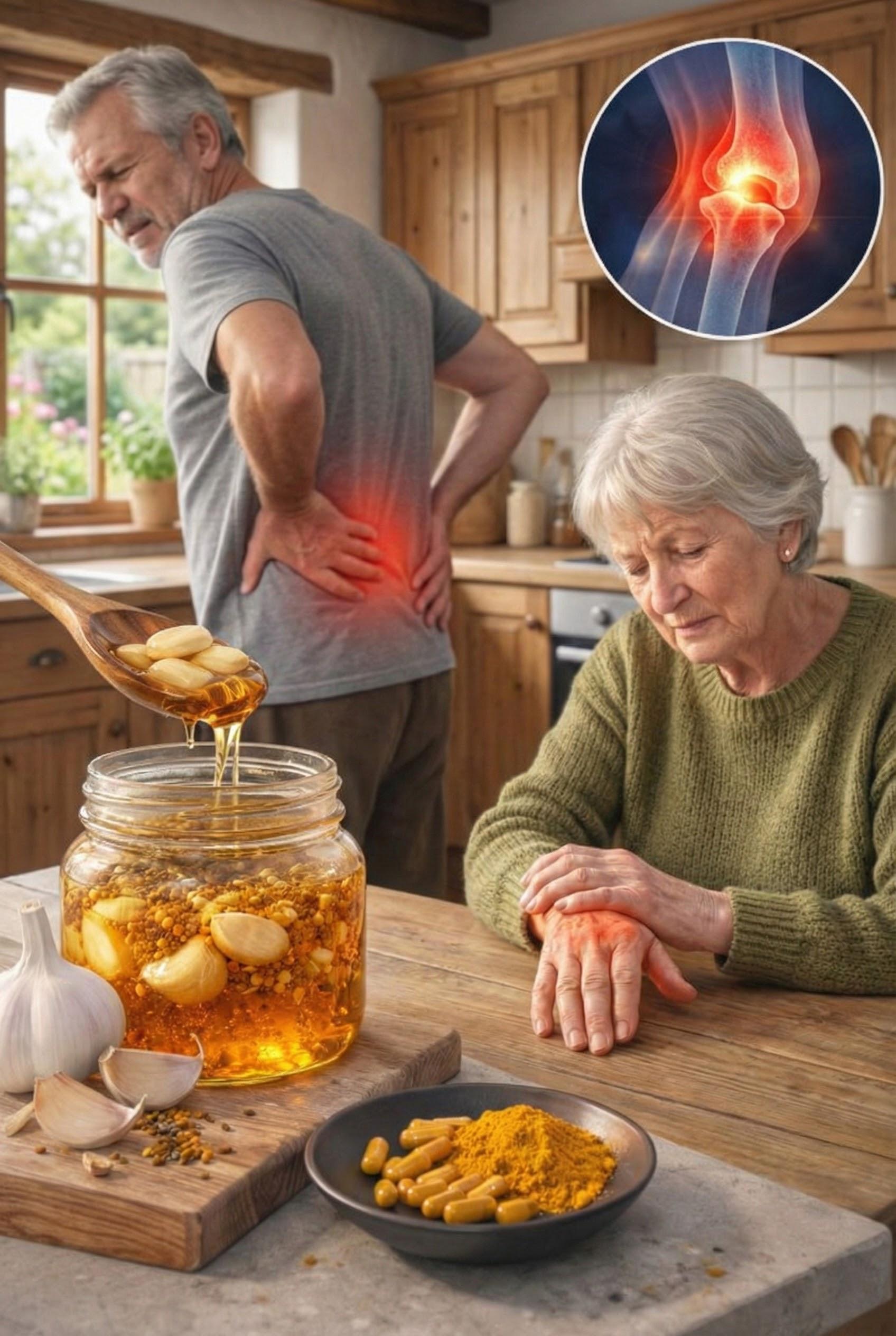
Why Leg Discomfort and Joint Stiffness Happen
Leg pain, heaviness, or joint discomfort often stems from reduced circulation, muscle fatigue, or daily strain. Prolonged standing, sitting, or natural changes over time can contribute to feelings of tiredness in the legs.
Research shows that supporting healthy blood flow and muscle relaxation plays a key role in everyday comfort. For instance, studies highlight how certain natural compounds may help with relaxation and circulation when used thoughtfully.
But that’s not all—simple self-care routines can make a noticeable difference when done consistently.
Everyday Habits to Promote Leg Comfort
Small changes in your routine can go a long way toward feeling more comfortable.
Here are some practical tips backed by common recommendations:
- Stay active with gentle movement: Walking, swimming, or cycling activates calf muscles, which help support blood flow back to the heart. Aim for 30 minutes most days.
- Elevate your legs: Lie down and prop your legs above heart level for 15-20 minutes a few times daily. This encourages natural drainage and reduces heaviness.
- Wear supportive compression: Graduated compression socks gently support veins and may ease feelings of fatigue.
- Maintain a healthy weight: Extra weight adds pressure on legs; gradual changes through balanced eating can help.
These habits form the foundation for better leg comfort over time.
Garlic and Clove Infused Oil: A Traditional Massage Option
Garlic and cloves have been used in traditional practices for their warming properties. Garlic contains compounds like allicin, which studies suggest may support circulation and relaxation. Cloves provide eugenol, known in research for potential soothing effects.
Many people find gentle massage with a homemade infused oil comforting after a long day.
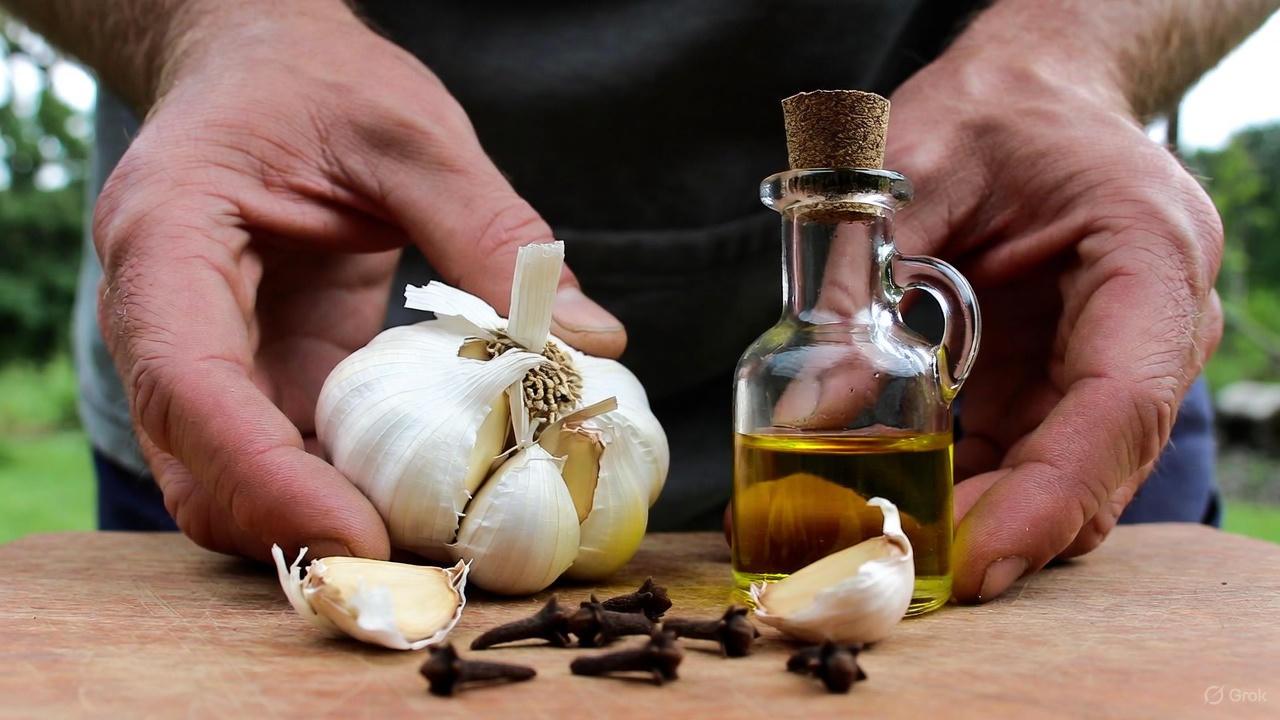
How to Prepare Garlic and Clove Oil at Home
You’ll need simple ingredients:
- 8-10 fresh garlic cloves
- 10-15 whole cloves
- 1 cup olive oil or coconut oil
Step-by-step preparation:
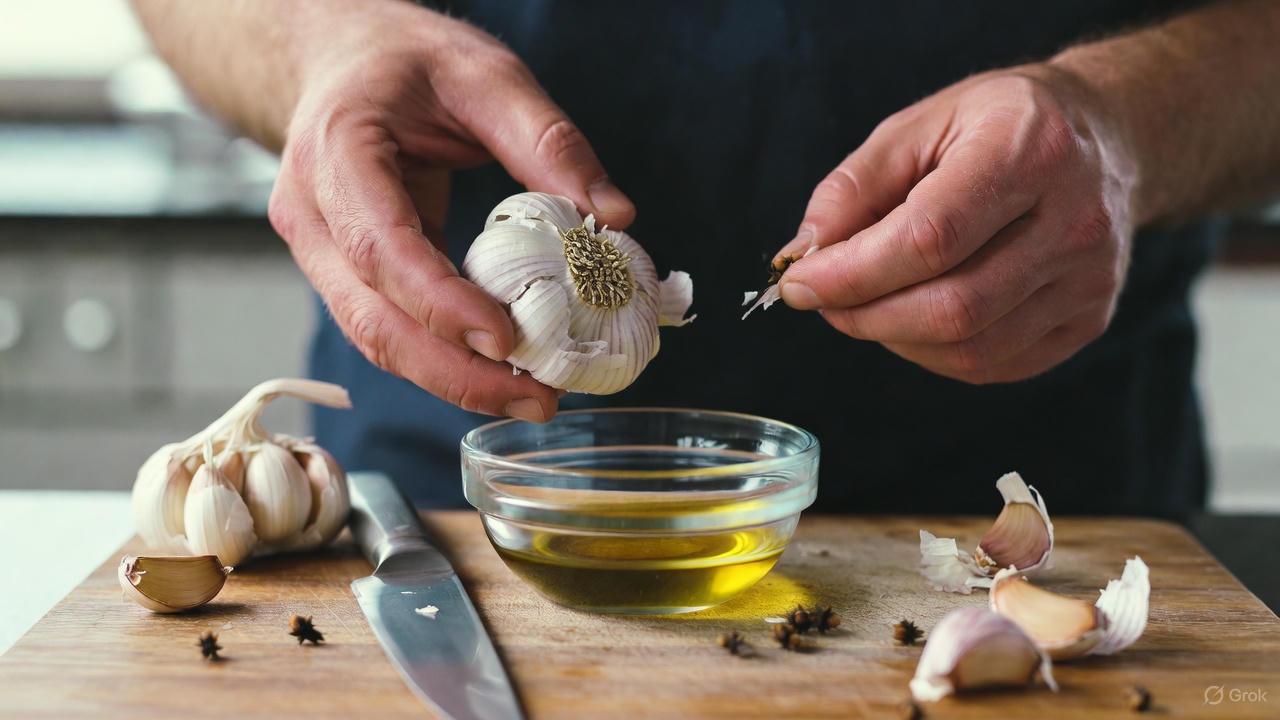
- Peel and lightly crush the garlic cloves to release natural compounds.
- Add garlic and whole cloves to a clean glass jar.
- Pour oil over the ingredients until fully covered.
- Seal the jar and store in a cool, dark place for 7-10 days.
- Strain the oil into a clean container. Store in the fridge for up to a month.
How to Use It
Warm a small amount of oil slightly (never hot). Gently massage into legs, knees, or ankles using upward strokes for 10-15 minutes.
This traditional approach combines warmth with light touch, which may promote relaxation. Always patch-test on a small skin area first to check for sensitivity.
Warm Compress for Added Relaxation
Building on the infused oil, a warm compress can enhance the soothing experience.
What you’ll need:
- Your prepared garlic and clove oil
- A soft cloth or towel
Steps:
- Warm the oil gently in a bowl of hot water.
- Soak the cloth in the oil, wring out excess.
- Apply to comfortable areas for 15-20 minutes.
- Rest with legs elevated if possible.
The gentle heat may help muscles feel more relaxed. Repeat 2-3 times weekly as part of your routine.
Epsom Salt Soak for Tired Legs
Epsom salt, or magnesium sulfate, is popular for foot and leg soaks. While absorption through skin isn’t fully proven, many report feeling relaxed from the warm water and minerals.
Research notes magnesium’s role in muscle function, and warm soaks are a longstanding way to unwind.
Simple Epsom Salt Routine
Ingredients:
- 1-2 cups Epsom salt
- Warm water in a basin or tub
How to do it:
- Fill a basin with warm (not hot) water.
- Add Epsom salt and stir to dissolve.
- Soak legs for 20-30 minutes.
- Pat dry and follow with moisturizer.
Enjoy this 2-3 times a week, especially in the evening.
Additional Supportive Foods and Habits
Incorporate these for overall wellness:
| Food/Habit | Why It May Help | Easy Ways to Add It |
|---|---|---|
| Flavonoid-rich foods | Support vein health in some studies | Berries, citrus, dark chocolate |
| High-fiber meals | Promote healthy weight and circulation | Oats, beans, veggies |
| Stay hydrated | Prevent fluid retention | Drink water throughout the day |
| Avoid prolonged sitting | Encourage natural movement | Take short walks every hour |
Consistency with these can build better daily comfort.
Here’s the part that’s interesting: combining gentle massage, warm soaks, and mindful habits often leads to the most noticeable ease over weeks.
Final Thoughts
Supporting leg comfort naturally comes down to gentle, consistent routines. From infused oils and warm compresses to relaxing soaks and daily movement, these approachable steps can help you feel more at ease in your own body.
Garlic, cloves, and Epsom salt have been valued in traditional wellness for their potential warming and relaxing qualities. When paired with healthy habits, they may contribute to better everyday comfort.
Start small, listen to your body, and track what feels best for you.
Frequently Asked Questions
Can these routines completely resolve leg discomfort?
No single home approach replaces professional care, but many find supportive relief through consistent natural habits.
How soon might I notice changes?
Individual experiences vary, but gentle routines often show subtle improvements in comfort within a few weeks of regular use.
Are there any precautions with infused oils?
Always patch-test for skin sensitivity. Avoid broken skin, and consult a doctor if you have allergies or conditions.
Disclaimer: This information is for educational purposes only and is not medical advice. These suggestions do not diagnose, treat, or cure any condition. Always consult a healthcare professional for personalized guidance, especially if discomfort persists or worsens.


