
Living with chronic kidney disease (CKD) often means rethinking everyday meals, especially when it comes to protein. Protein is essential for maintaining muscle, supporting healing, and keeping your energy up, but the wrong amounts or types can add extra work to kidneys that are already under strain. Many people feel overwhelmed trying to balance nutrition while avoiding complications like waste buildup. The good news? Research shows that focusing on the right protein sources, particularly more plant-based options, may help support kidney health over time without sacrificing taste or satisfaction.
But that’s not the full story—there’s a simple way to make smarter swaps that feel doable every day. Keep reading to discover which proteins deserve a spot on your plate and which ones are better in smaller portions, plus practical tips to get started right away.
Why Protein Matters in Chronic Kidney Disease
Your kidneys filter waste produced when your body breaks down protein. In CKD, especially in stages 1-5 before dialysis, too much protein can increase this workload, potentially speeding up kidney function decline. Studies from organizations like the National Kidney Foundation suggest that moderate protein intake, often around 0.6-0.8 grams per kilogram of body weight daily (depending on your stage and health), helps protect kidneys while preventing malnutrition.
Plant-based proteins often shine here because they tend to produce fewer waste products and come with bonus fiber. But portion control and preparation matter. Always work with a renal dietitian to tailor this to your labs and needs.
4 Kidney-Friendly Proteins to Choose More Often
Here are four smart options that many experts highlight for their balance of quality protein and lower impact on kidneys. These focus on high-quality sources with benefits like lower saturated fat or easier mineral management.
- Egg Whites — Pure, high-quality protein without the phosphorus-heavy yolk. They’re versatile and low in potassium.
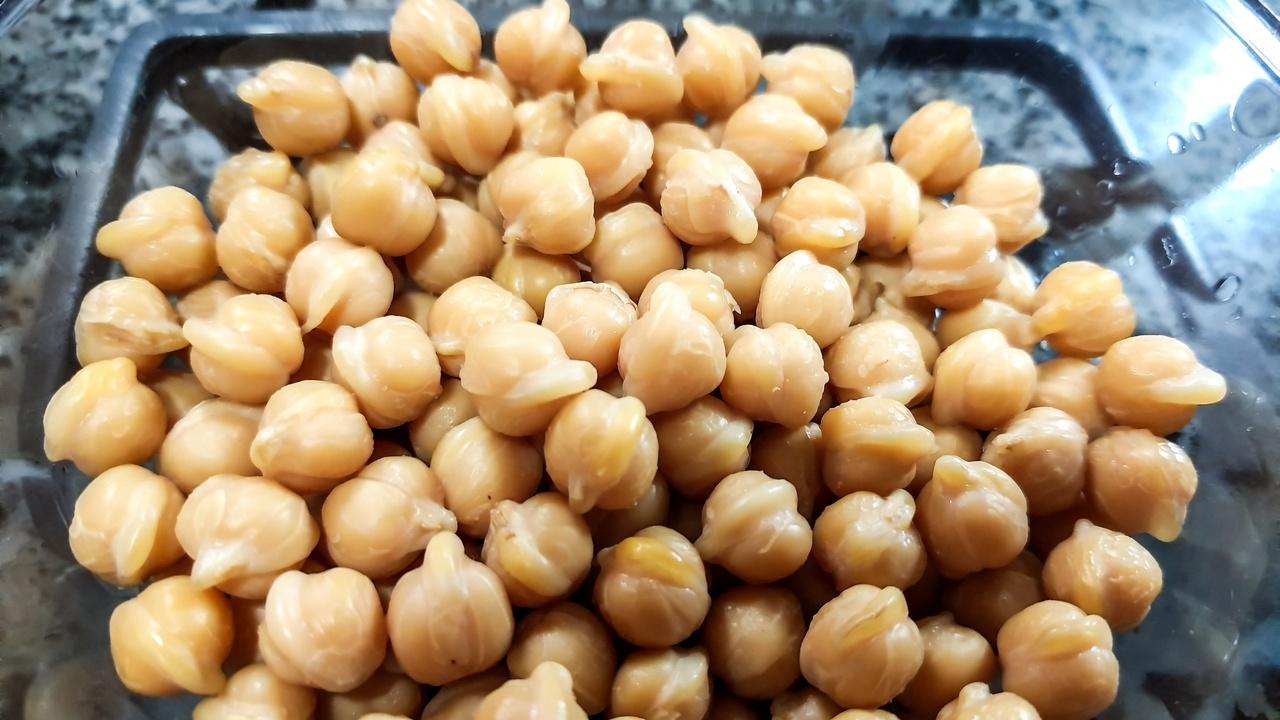
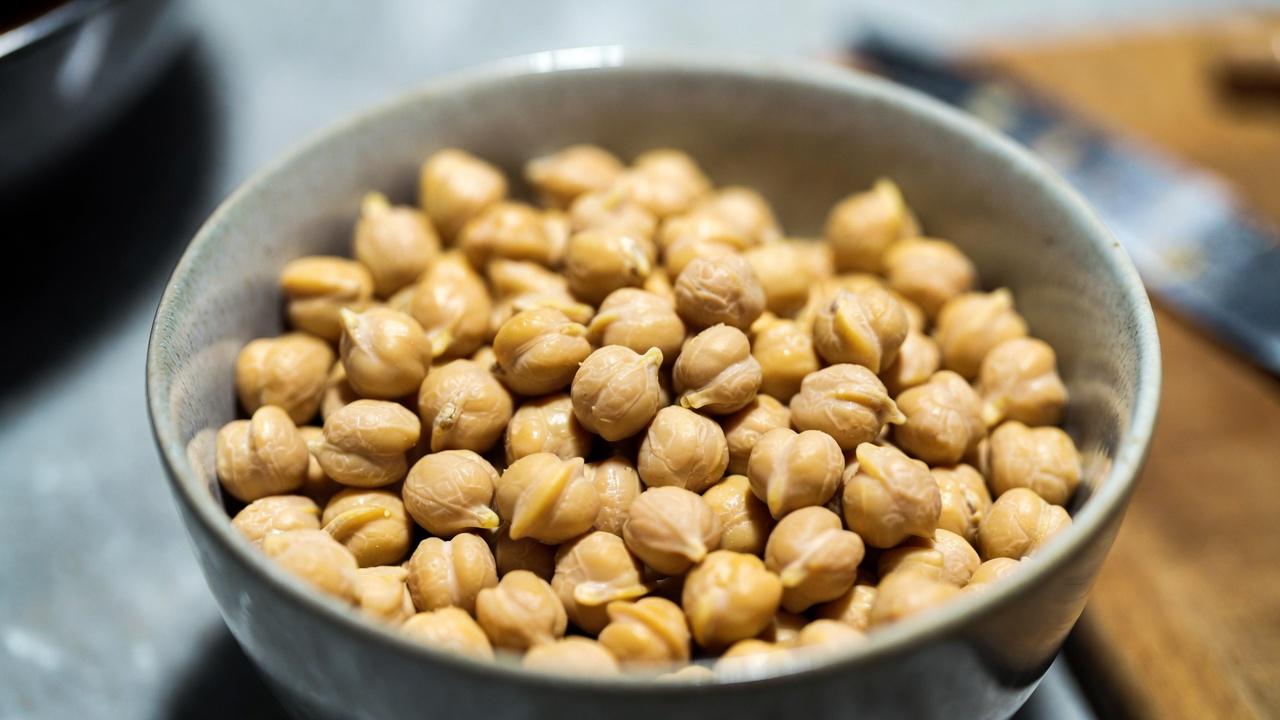
- Chickpeas (Garbanzo Beans) — A plant-based powerhouse offering protein plus fiber. When prepared properly (like rinsing canned ones or soaking dried), they fit well into many renal plans and provide heart-healthy benefits.
- Fish (Especially Lean Varieties like Cod or Tilapia) — Delivers complete protein with omega-3s that support heart health, important since CKD raises cardiovascular risks.
- Chicken Breast (Skinless and Lean) — A lean animal protein that’s easy to portion and lower in fat compared to red meats.
These choices help meet needs without overloading on minerals like phosphorus or potassium. Research indicates plant-heavy mixes may even slow CKD progression in some cases.
Quick Comparison Table: Why These Stand Out
| Protein Source | Protein per 100g (approx) | Key Benefits for CKD | Tips for Inclusion |
|---|---|---|---|
| Egg Whites | 11g | Low phosphorus, complete protein | Add to salads or omelets |
| Chickpeas | 8-9g (cooked) | Fiber-rich, plant-based, versatile | Rinse canned; limit portions |
| Lean Fish | 20-25g | Omega-3s for heart support | Bake or grill, 3-4 oz servings |
| Skinless Chicken Breast | 25-30g | Lean and filling | Portion to 4-6 oz daily max |
6 Proteins to Limit or Approach with Caution
Some proteins are higher in phosphorus, potassium, or saturated fats, which can build up faster in CKD. Limiting these doesn’t mean eliminating them forever—just smaller amounts and mindful choices.
- Red Meats (like Beef or Pork) — Often high in phosphorus and saturated fat.
- Processed Meats (Bacon, Sausage, Deli Meats) — Loaded with sodium and additives.
- Whole Dairy Products (Milk, Cheese, Yogurt) — High phosphorus content.
- Nuts and Seeds — Nutrient-dense but potassium and phosphorus add up quickly.
- Dried Beans/Lentils (Unprepared) — Great in theory, but potassium can be high without leaching.
- Organ Meats — Extremely high in minerals kidneys struggle to filter.
The key? Moderation and preparation techniques (like leaching for legumes) can sometimes make favorites workable. But for many, these are best as occasional treats.
Practical Tips to Make These Changes Easy
Start small for lasting success:
- Portion Control — Use your palm as a guide: 3-4 oz of animal protein per meal.
- Prep Legumes Smartly — Rinse canned chickpeas thoroughly or soak and cook dried ones to reduce minerals.
- Mix It Up — Aim for half your protein from plants on some days.
- Track and Adjust — Keep a simple food diary and review with your dietitian every few weeks.
- Flavor Without Salt — Use herbs, lemon, or low-sodium spices to keep meals exciting.
These steps help you feel in control and nourished.
What to Expect and How to Stay Consistent
Switching proteins might feel restrictive at first, but many people notice better energy and fewer symptoms over time. Pair these choices with overall kidney-friendly habits like watching sodium and staying hydrated (as advised).
FAQ
Can I still eat chickpeas if I have high potassium? Yes, in moderation. Rinsing canned chickpeas or using preparation methods like soaking can help manage levels—check with your dietitian for your specific situation.
How much protein do I need daily with CKD? It varies by stage, weight, and health. For many not on dialysis, 0.6-0.8 g/kg body weight is common, but your doctor or dietitian will personalize it.
Are plant proteins always better for kidneys? They often are, thanks to lower waste and added fiber, but variety and balance matter most. A mix of plant and high-quality animal sources works well for many.
Disclaimer: This article is for informational purposes only and not intended as medical advice. Dietary needs vary greatly with CKD stage, lab results, and individual health. Always consult your healthcare provider or a registered renal dietitian before making changes to your diet.


