Do you constantly struggle with energy spikes and crashes, feeling sluggish and mentally foggy just an hour or two after a meal, despite trying to eat “healthy” carbohydrates? You might also be dealing with subtle but persistent digestive discomfort or the general, underlying worry about your heart health and maintaining healthy blood pressure as you age. It is incredibly frustrating to feel like your diet is sabotaging your energy levels and your long-term wellness goals. You deserve a source of fuel that is both satisfying and supportive, offering stable energy without the rollercoaster effect.
But what if the solution to stable energy, a happier gut, and a calmer heart wasn’t found in an expensive supplement or a complicated, low-carb regimen? There is a powerful, nutrient-dense root vegetable, often overlooked in Western diets, that has been a foundational food for cultures around the world for centuries: Taro. This unassuming root provides a unique type of carbohydrate that supports your gut health and delivers sustained energy that lasts. Stay with me, because I’m going to break down the three distinct ways taro can boost your well-being and reveal the simple preparation method that maximizes its healing benefits.
The Power of the Corm: What Makes Taro Unique?
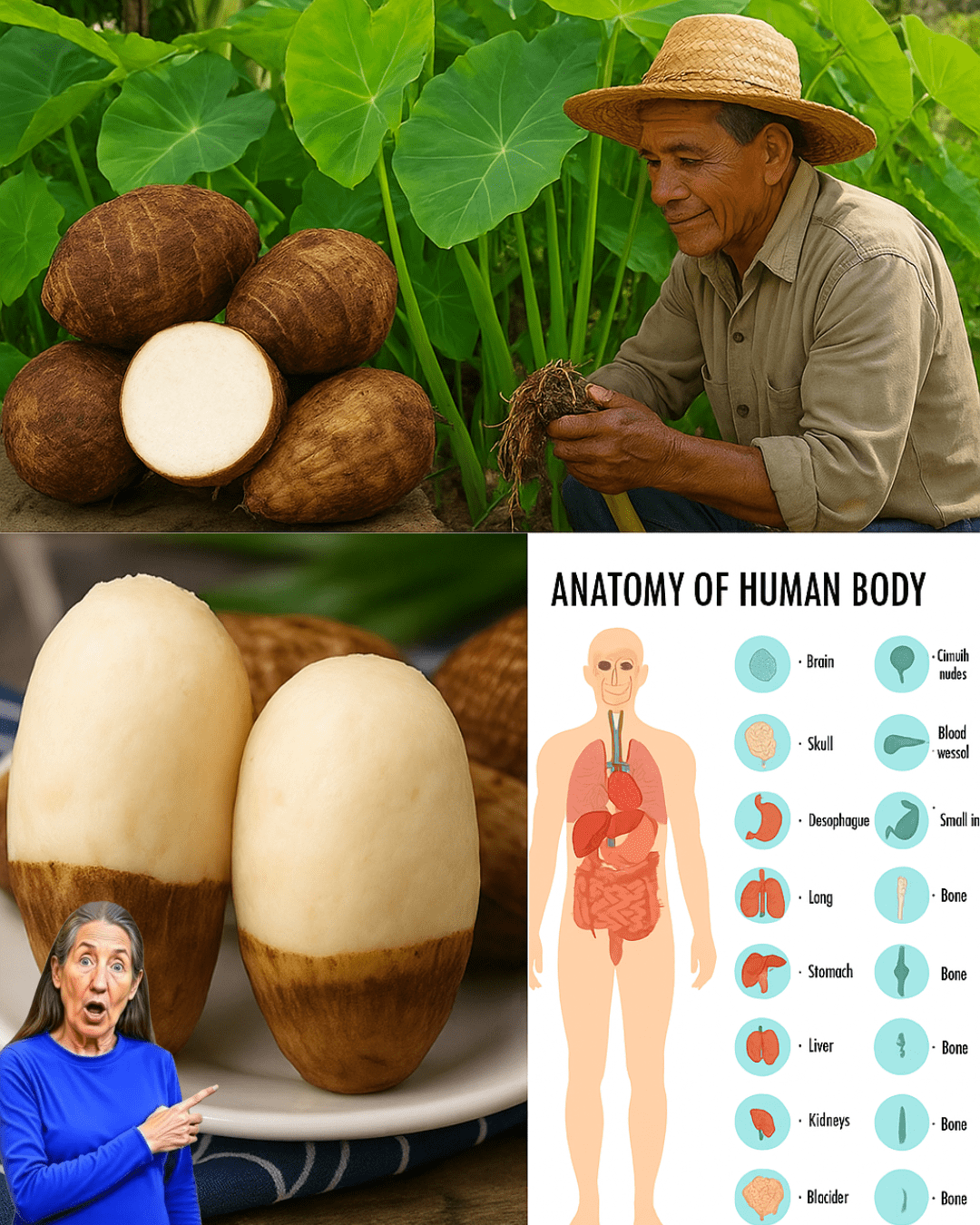
Taro (Colocasia esculenta) is a starchy root vegetable, often recognized by its slightly purple hue when cooked. While it looks similar to a potato, its nutritional composition is vastly different, providing health benefits that go far beyond simple calories. Its magic lies primarily in its unique blend of carbohydrates and potassium.
1. The Gut Health Secret: Resistant Starch
This is the most critical difference between taro and other common starches. Taro is an exceptional source of resistant starch, which acts like a dietary fiber.
- Fueling Your Microbiome: Unlike regular starch that your small intestine breaks down for immediate energy, resistant starch passes directly to your large intestine where it feeds your beneficial gut bacteria.
- Short-Chain Fatty Acids (SCFAs): When these good bacteria feast on resistant starch, they produce beneficial compounds called short-chain fatty acids (like butyrate). SCFAs are vital for maintaining the health of your gut lining and are increasingly linked to improved immune function and reduced inflammation.
- Feeling Happier: A healthy gut microbiome is often referred to as your “second brain.” Supporting it with resistant starch can contribute to overall mental well-being and vitality.
2. The Energy Stabilizer: No Crash Zone
If you find yourself dragging after eating white rice or bread, taro offers a welcome alternative because of how slowly its carbohydrates are digested.
- Low Glycemic Index (GI): Taro typically has a lower glycemic index compared to white potatoes or white rice. This means the carbohydrates are broken down slowly, leading to a gradual release of sugar into your bloodstream.
- Sustained Fuel: This slower release prevents the rapid spikes and crashes in blood sugar that lead to energy slumps and cravings. It provides a steady, reliable source of fuel for hours, making it an ideal choice for sustained mental and physical performance.
3. The Heart & Blood Pressure Connection
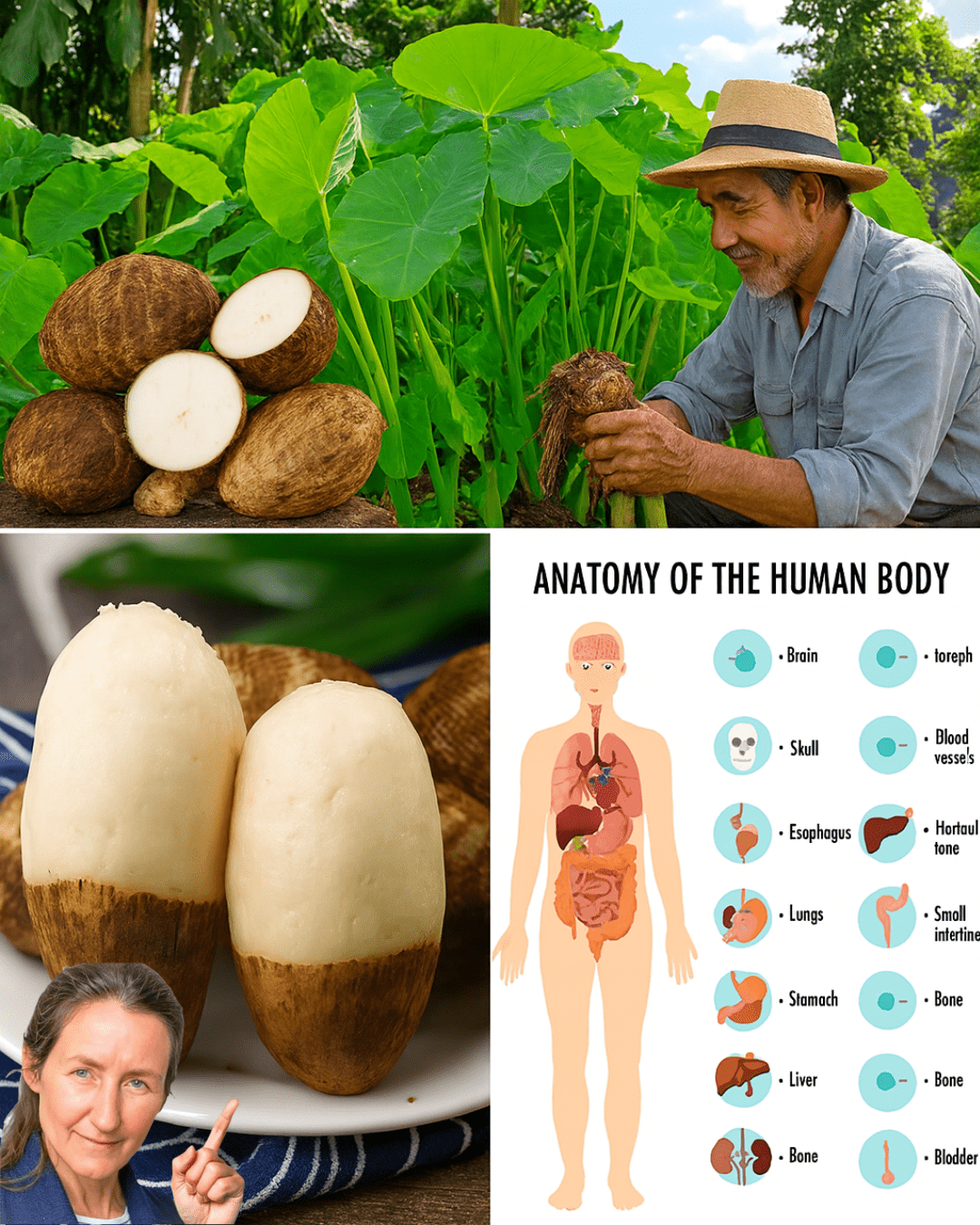
Your circulatory system relies on a careful balance of electrolytes, and taro delivers one of the most important minerals for heart health: Potassium.
- Counteracting Sodium: Potassium helps balance the negative effects of sodium, relaxing the blood vessels and helping the body excrete excess water.
- Blood Pressure Support: Research consistently shows that a higher intake of potassium, which taro provides generously, is associated with the support of healthy blood pressure levels.
- Supporting the Whole System: By easing the strain on your cardiovascular system, taro contributes to overall heart health, making it a powerful addition to a protective diet.
Comparing Taro to Common Starches
Understanding taro’s benefits becomes clearer when you compare its makeup to starchy foods that often cause digestive or energy issues.
| Feature | Taro Root (Cooked) | White Potato (Cooked) | White Rice (Cooked) |
| Resistant Starch Content | High | Low to Moderate (Increases when chilled) | Low |
| Fiber Content | High | Moderate | Low |
| Glycemic Index (GI) | Low to Moderate | Moderate to High | High |
| Primary Health Benefit | Gut Health and Energy Stability | Vitamin C and General Calories | Quick Energy |
Xuất sang Trang tính
The truth is, few simple roots offer this powerful combination of gut health and energy stability.
Actionable Tips: How to Incorporate Taro into Your Diet
Taro must always be cooked before eating to neutralize compounds that can cause throat and mouth irritation. Once cooked, its texture is similar to a firm, slightly sweet potato.
Step-by-Step Preparation:
- Peel and Cut: Wear gloves if you have sensitive skin, as the raw peel can be irritating. Peel the brown skin thoroughly and cut the corm into chunks.
- Boil or Steam: Place the taro chunks in boiling water or a steamer basket. Boil until the taro is fork-tender (about 20-40 minutes, depending on size).
- Simple Serving: Serve the boiled taro simply with a sprinkle of salt and a small amount of healthy fat (like olive oil or coconut oil) to aid nutrient absorption.
- The Resistant Starch Hack: For maximum resistant starch benefit, cook the taro, allow it to cool completely in the refrigerator overnight, and then gently reheat it the next day. This process significantly boosts the resistant starch content.
Frequently Asked Questions (FAQ)
Q1: Will taro help me manage my weight?
A: Taro’s high fiber and resistant starch content contribute to feelings of fullness (satiety) and slow digestion, which can naturally help with appetite control and overall calorie management.
Q2: Can I use taro leaves, or only the root (corm)?
A: The leaves (Taro leaves/Dasheen leaves) are also highly nutritious, packed with Vitamin C and iron, and are eaten in many cultures. However, like the root, they must be thoroughly cooked before consumption to remove irritating compounds.
Q3: Is taro safe for everyone to eat?
A: Taro is generally very safe and highly nutritious when fully cooked. It should never be eaten raw. People with kidney issues should consult their doctor due to taro’s potassium content.
Conclusion: Fueling Your Body the Natural Way
We’ve uncovered the profound, yet simple, power of taro, a root that delivers stable energy, supports a thriving gut microbiome, and provides essential potassium for heart health. By choosing this nutrient-dense corm over highly processed or fast-digesting starches, you are giving your body the steady fuel and internal balance it needs to function at its best. It’s a simple, ancient food that offers a holistic path to modern wellness.
Ready to try this amazing root and experience the stable energy difference?
Medical Disclaimer: This article is intended for informational purposes only and is not a substitute for professional medical advice, diagnosis, or treatment. Always seek the advice of a qualified health provider with any questions you may have regarding a medical condition or before making significant changes to your diet, especially if you have conditions like diabetes or kidney disease.