
Many people taking metoprolol to manage their heart conditions experience subtle changes that they might attribute to everyday stress or aging, yet these could stem from the medication itself. These effects can creep up gradually, disrupting sleep, energy levels, or even mood without clear warning, leaving individuals feeling off-balance and unsure. Fortunately, gaining awareness of these potential reactions empowers you to have informed discussions with your healthcare provider. But there’s one lesser-known side effect that surprises many and could shift how you approach your daily routine—stick around to uncover it at the end.
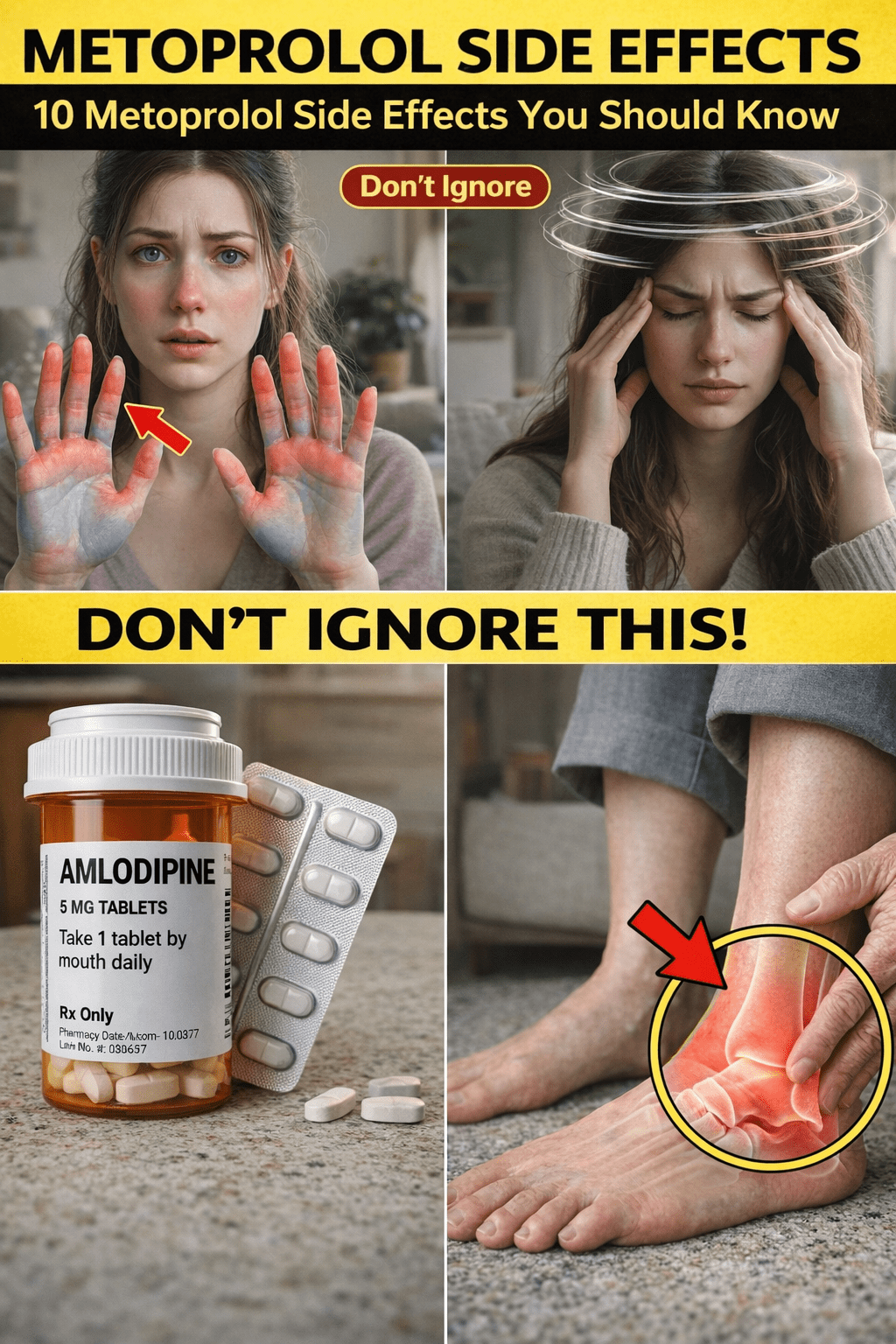
Understanding Metoprolol and Its Role in Heart Health
Metoprolol is a beta-blocker commonly prescribed for conditions like high blood pressure, angina, and certain heart rhythm issues. It works by slowing the heart rate and reducing the force of contractions, which helps ease the workload on the heart.
But here’s the thing: while it’s effective for many, it’s not without its quirks. Research from sources like the Mayo Clinic shows that side effects can vary widely among users. Understanding these can make a big difference in how you feel day to day.
And that’s not all. Let’s dive into the specifics.
Why Side Effects Might Go Unnoticed
Often, side effects blend into the background of busy lives. You might brush off fatigue as a long day at work or chalk up mood shifts to external stressors.
The truth is, beta-blockers like metoprolol can influence multiple body systems beyond just the heart. According to the NHS, these effects sometimes improve as your body adjusts, but monitoring them is key.
This is where awareness comes in. Recognizing patterns early can lead to simple adjustments.
The 10 Overlooked Side Effects of Metoprolol
Here, we’ll explore ten side effects that don’t always make headlines in doctor visits but are worth noting. Each comes with insights and tips to help you navigate them.
1. Persistent Fatigue
Feeling unusually tired is one of the most reported reactions. It can hit even if you’re getting enough rest.
Studies indicate this stems from the drug’s impact on heart rate and energy metabolism. MedlinePlus notes tiredness as a common occurrence.
To manage: Start with light exercise like walking. Track your energy in a journal to spot triggers.
But wait, there’s more to consider with daily habits.
2. Dizziness or Lightheadedness
Standing up quickly might leave you feeling woozy, especially in the morning.
This happens due to lowered blood pressure, a intended effect that sometimes overshoots. GoodRx highlights dizziness as a top concern.
Tip: Rise slowly from sitting or lying positions. Stay hydrated to support blood volume.
And speaking of balance, let’s look at another subtle shift.
3. Cold Hands and Feet
Your extremities might feel chilly even in warm weather, thanks to reduced blood flow.
The NHS suggests this is common and offers coping strategies like warming techniques.
Actionable step: Massage your hands under warm water. Wear layers to maintain comfort.
Here’s the interesting part: this can link to other circulatory changes.
4. Mood Changes Like Depression
Some users report feeling down or unmotivated, which can be overlooked as unrelated.
Research from StatPearls points to beta-blockers potentially affecting brain chemistry.
What to do: Engage in activities you enjoy. If persistent, discuss with your doctor about alternatives.
But that’s not the end of emotional impacts.

5. Digestive Issues Such as Diarrhea
Stomach upset or loose stools might occur, disrupting your routine.
Cleveland Clinic lists diarrhea among possible reactions.
Manage it: Eat bland foods and stay hydrated. Probiotics might help, but check with a professional first.
Now, let’s shift to something that affects rest.
6. Sleep Disturbances Including Nightmares
Vivid dreams or trouble sleeping can leave you groggy.
Drugs.com mentions sleep issues as part of the profile.
Tip: Establish a bedtime routine. Avoid screens an hour before bed.
And here’s a connection: this ties into overall energy.
7. Slow Heart Rate (Bradycardia)
Your pulse might dip lower than usual, causing sluggishness.
Mayo Clinic warns of this as a more common effect.
Monitor: Use a home device to check your heart rate. Report if below your normal.
But wait, there’s a flip side to watch.
8. Shortness of Breath
Feeling winded during light activity could signal this reaction.
NCBI’s StatPearls discusses bronchospasm risks, especially in those with lung concerns.
Step: Practice deep breathing exercises. Avoid triggers like cold air.
This leads us to skin-related matters.

9. Itching or Rash
Skin irritations might appear unexpectedly.
TOPROL-XL’s safety info includes rash as a side effect.
Cope: Use gentle moisturizers. If severe, seek medical advice.
Finally, the one we hinted at earlier.
10. Weight Gain
Unexpected pounds can add up, often due to fluid retention or slowed metabolism.
User reports on sites like Hope Harbor Wellness note this as a frustrating issue.
That’s the surprise many overlook—it can sneak up without dietary changes.
Tip: Focus on balanced meals and activity. Weigh weekly to track.
Comparing Common vs. Less Common Side Effects
To put things in perspective, here’s a quick table:
| Side Effect Category | Examples | Frequency Based on Studies |
|---|---|---|
| Common | Fatigue, Dizziness, Cold Extremities | Often reported in over 1 in 100 users (NHS data) |
| Less Common | Depression, Weight Gain, Rashes | Noted in clinical reviews but vary by individual (Mayo Clinic) |
| Rare | Severe Allergic Reactions | Requires immediate attention (StatPearls) |
This breakdown helps visualize the spectrum.
Practical Tips for Managing Side Effects
Don’t just read about them—take action. Here’s a bullet-point guide:
- Track Symptoms: Keep a daily log noting when effects occur and their intensity. Share with your doctor.
- Lifestyle Adjustments: Incorporate gentle yoga or walks to combat fatigue and improve circulation.
- Dietary Tweaks: Opt for potassium-rich foods if approved, as beta-blockers can affect levels.
- Hydration Focus: Aim for 8 glasses of water daily to ease dizziness and digestive woes.
- When to Seek Help: If effects worsen or new ones appear, contact your healthcare provider promptly.
These steps are straightforward and can make a real difference.
But remember, individual responses vary.
When to Talk to Your Doctor
If side effects interfere with life, it’s time for a chat. They might adjust dosage or suggest alternatives.
Research shows open conversations lead to better outcomes.
And that’s empowering.
Conclusion
In summary, being aware of these ten often-overlooked side effects of metoprolol—from fatigue to weight gain—can help you stay proactive about your health. Monitoring and small changes often mitigate them, leading to a more comfortable experience.
Always prioritize discussions with your healthcare team for personalized advice.
FAQ
What should I do if I experience dizziness from metoprolol?
Rise slowly from positions and stay hydrated. If it persists, consult your doctor for possible adjustments.
Can metoprolol affect my sleep?
Yes, some report nightmares or insomnia. Establishing a relaxing bedtime routine may help, but discuss ongoing issues with a professional.
Is weight gain common with metoprolol?
It can occur due to metabolic changes. Focus on balanced eating and activity, and track progress to manage it effectively.
Disclaimer: This article is for informational purposes only and not a substitute for professional medical advice. Consult your healthcare provider before making any changes to your medication or health routine.


