Few things are as instantly stressful as that sudden twinge of sensitivity when you bite into something cold or sweet, knowing that it might signal the start of another dental problem. You live with the constant, low-level anxiety of anticipating your next dental visit, dreading the sound of the drill and the financial strain of fillings and repairs, feeling helpless as you watch your tooth enamel weaken over time. This fear of pain and expense makes you desperately seek natural, proactive ways to strengthen your teeth and stop minor issues before they become major cavities. The comforting truth is that your mouth has a powerful, built-in mechanism for self-repair called remineralization, and by making a few simple, daily changes to your diet and hygiene routine, you can actively support your body’s ability to fortify its own enamel, significantly reducing your risk of future decay. Stick with us, because we’re going to reveal the essential dietary and lifestyle shifts that can help reverse early enamel erosion and keep your smile healthy and strong, potentially helping you avoid that dreaded drill.
Understanding Tooth Decay: It’s a Balancing Act
Before diving into solutions, it’s essential to understand what tooth decay is and how it occurs. Decay is not a sudden event; it is a long, gradual process that involves the delicate balance between two forces: demineralization and remineralization.
- Demineralization (The Problem): This occurs when acids—created by bacteria feasting on sugar or from acidic foods/drinks—pull essential minerals (calcium and phosphate) out of your tooth enamel. This weakens the enamel, creating soft spots.
- Remineralization (The Solution): This is the natural repair process where minerals from your saliva, along with fluoride, are deposited back into the enamel, hardening the tooth structure again.
When demineralization outpaces remineralization, a cavity (hole) eventually forms. The goal is simple: shift the balance toward remineralization.
Pillar 1: Diet and the Power of Remineralization
The food you eat has the single biggest impact on the mineral balance in your mouth. You literally feed the bacteria that cause decay, or you feed the body with the building blocks it needs to repair itself.
The Essential Building Blocks for Enamel Repair
The body cannot repair enamel without a steady supply of specific nutrients that are foundational to bone and tooth structure.
- Calcium and Phosphate: These are the primary minerals that make up enamel. Ensure adequate intake through dairy, leafy greens, and nuts.
- Vitamin D: This vitamin is crucial because it helps your body absorb and utilize calcium, making it available for remineralization. Sources include fortified foods, sunlight, and supplements.
- Vitamin K2: Often overlooked, this nutrient works with Vitamin D to direct calcium to the right places, like your teeth and bones, and away from soft tissues. Good sources are grass-fed dairy and fermented foods.
The truth is, your dental health is deeply connected to your total body health. But simply consuming these nutrients isn’t enough; you must also manage the acids that strip them away.
Pillar 2: Neutralizing Acids and Controlling the Environment
The most powerful way to stop decay is to control the acidity (pH level) in your mouth. Decay cannot occur in a neutral or alkaline environment.
Simple, Natural Acid Neutralizers
The longer your teeth are exposed to acid, the greater the demineralization. Here are easy ways to shift the balance quickly.
- Xylitol Gum or Mints: Studies show that chewing gum sweetened with xylitol after meals can help reduce acid levels and may inhibit the growth of damaging bacteria. It actively promotes remineralization.
- Rinsing with Water: After consuming anything acidic (like soda, coffee, citrus fruits), rinse your mouth thoroughly with plain water. Do not brush immediately, as this can scrub the acid into softened enamel.
- The Power of Cheese: Eating a small piece of cheese (or other dairy) at the end of a meal has been shown to rapidly raise the pH of the mouth, neutralizing acids.
But that’s not all. You need to address the root cause of the acid: the bacteria.
Pillar 3: Hygiene and Oral Ecology Management
Brushing and flossing remove plaque, the sticky film where acid-producing bacteria live. But advanced oral care involves supporting the beneficial bacteria while suppressing the harmful ones.
Beyond Brushing: Advanced Tips
You likely brush twice a day, but small adjustments can make a huge difference in protecting your enamel.
- The Right Toothpaste: Use a fluoride toothpaste. Fluoride is a natural mineral that strengthens enamel by incorporating into the tooth structure, making it more resistant to acid attack—this is the basis of modern remineralization science.
- Oil Pulling: Swishing a tablespoon of coconut oil in your mouth for 10–20 minutes is a traditional technique. While its ability to physically repair a cavity is unproven, it may help reduce the bacterial load in the mouth, which lessens acid production.
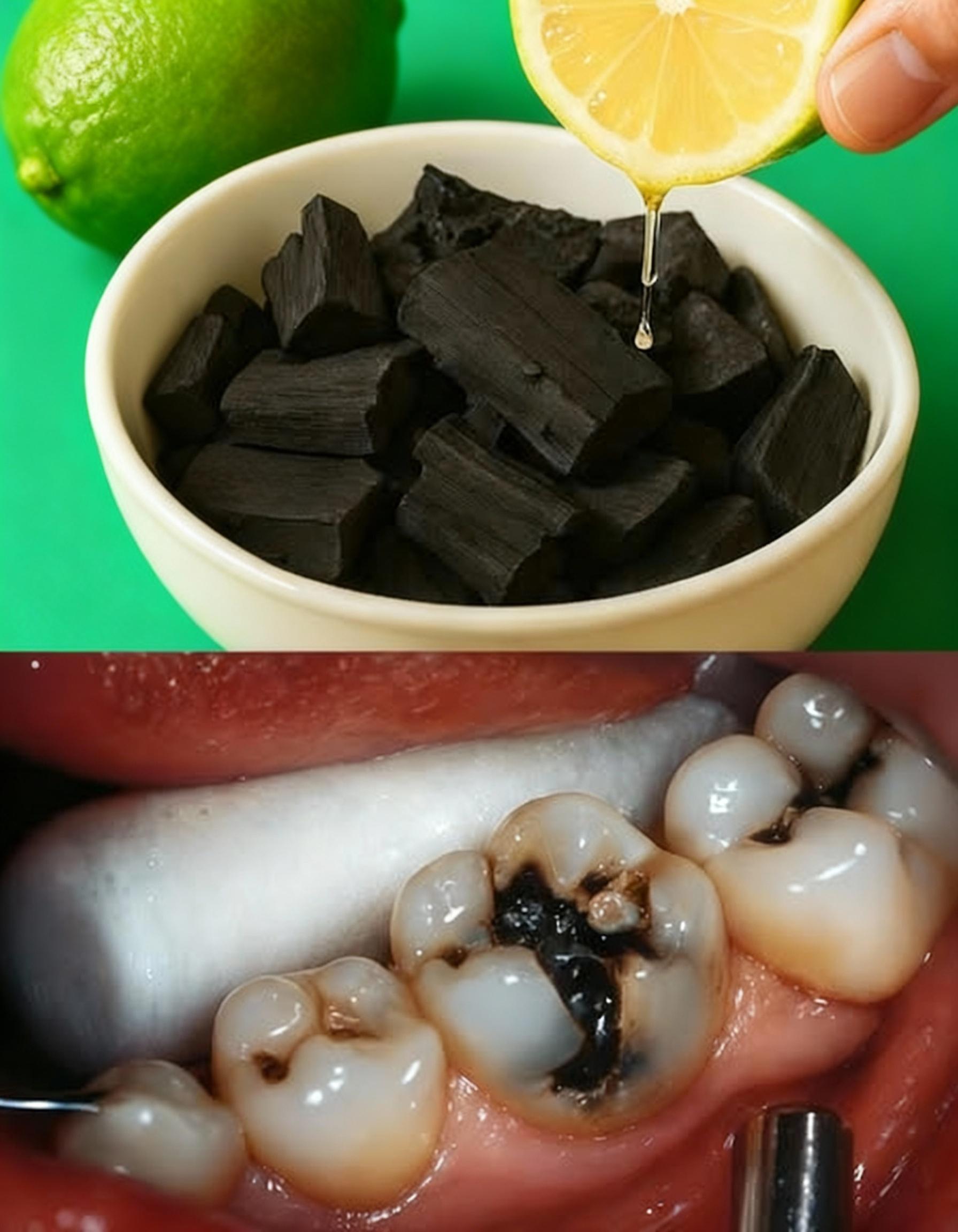
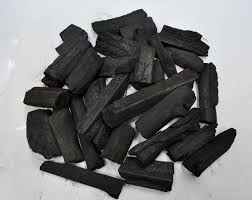
- The Charcoal Caution: Using rough substances like charcoal or baking soda to whiten teeth can be abrasive. If used too vigorously, they can actually strip away the enamel you are trying to protect, not repair it. Always use caution with abrasive powders.
Here is the truth: Consistency in hygiene is the non-negotiable foundation for natural enamel repair.
Actionable Tips: Your Daily Enamel Defense Protocol
Integrating these principles into a simple daily routine makes them highly effective and sustainable.
Your 24-Hour Remineralization Plan
- Morning (Breakfast Time): Consume a balanced breakfast rich in calcium, Vitamin D, and K2. Follow up by chewing xylitol gum for 5 minutes.
- Mid-Day (After Lunch): If you consume acidic drinks (coffee, juice), rinse your mouth with water immediately after finishing. Wait 30 minutes before brushing.
- Evening (Dinner Time): Practice oil pulling for 15-20 minutes before brushing. This may help clean interdental spaces and reduce bacterial buildup.
- Before Bed: Brush thoroughly with a fluoride toothpaste, paying special attention to the gum line. Floss every single night to remove plaque between the teeth, where decay often starts. Do not eat or drink anything other than water after brushing.
Following this routine maximizes the time your teeth spend in a protective, remineralizing environment.
Conclusion: Take Control of Your Dental Health
We have broken down the process of decay and provided actionable strategies to support your body’s innate ability to repair and strengthen your tooth enamel. By optimizing your diet with key minerals, actively neutralizing damaging acids, and upgrading your daily hygiene routine with techniques like xylitol and consistent flossing, you empower your teeth to fight back against demineralization. Taking control of these simple, daily habits is the most effective way to protect your smile and reduce your reliance on invasive dental procedures.
Frequently Asked Questions (FAQ)
Q1: Can I really repair a visible cavity naturally?
No. Once a true cavity—a hole that penetrates the dentin layer of the tooth—has formed, it requires professional treatment (a filling) to clean out the decayed material and seal the tooth. Natural methods like remineralization can only help repair the very earliest stages of enamel erosion (often called a ‘white spot lesion’) before it turns into a physical hole.
Q2: How does lemon juice affect tooth enamel?
Lemon juice is highly acidic (citric acid), which is extremely erosive to tooth enamel. While it can be useful in recipes, exposing your teeth directly to lemon juice (or water mixed with large amounts of lemon) should be followed immediately by a plain water rinse to neutralize the acid. Never brush your teeth right after consuming acidic foods or drinks.
Q3: How do I know if I am remineralizing my teeth effectively?
The best indicator is reduced sensitivity and the absence of new ‘white spot lesions’ or decay confirmed by your dentist. Your dentist uses tools and X-rays to monitor the earliest signs of erosion. Consistency in your diet, proper use of fluoride, and managing mouth acidity are the keys that your dental professional will look for.
Medical Disclaimer: This article provides general information and guidance on supporting dental health and is not a substitute for professional dental diagnosis, treatment, or advice. If you suspect you have a cavity or are experiencing persistent tooth pain, you must consult a licensed dentist. Natural methods should be used as preventive measures and support, not as a replacement for necessary dental care.