You are tired of the endless battle: the scurrying sound behind the walls, the sudden flash of a cockroach in the kitchen, and the sheer frustration of spending money month after month on expensive, toxic pest control products that barely seem to work. The constant worry about mice and insects infesting your food, damaging your property, and potentially carrying contaminants makes your home feel less like a sanctuary and more like a never-ending clean-up zone. It’s draining, costly, and you just want a simple, safe, and effective solution that finally gives you peace of mind and stops the invasion for good. We understand that impulse to grab whatever is handy, but before you try that viral “toothpaste trick” for pest control, you need to understand the hidden dangers and why a seemingly harmless home remedy could actually be setting you up for bigger problems down the line.
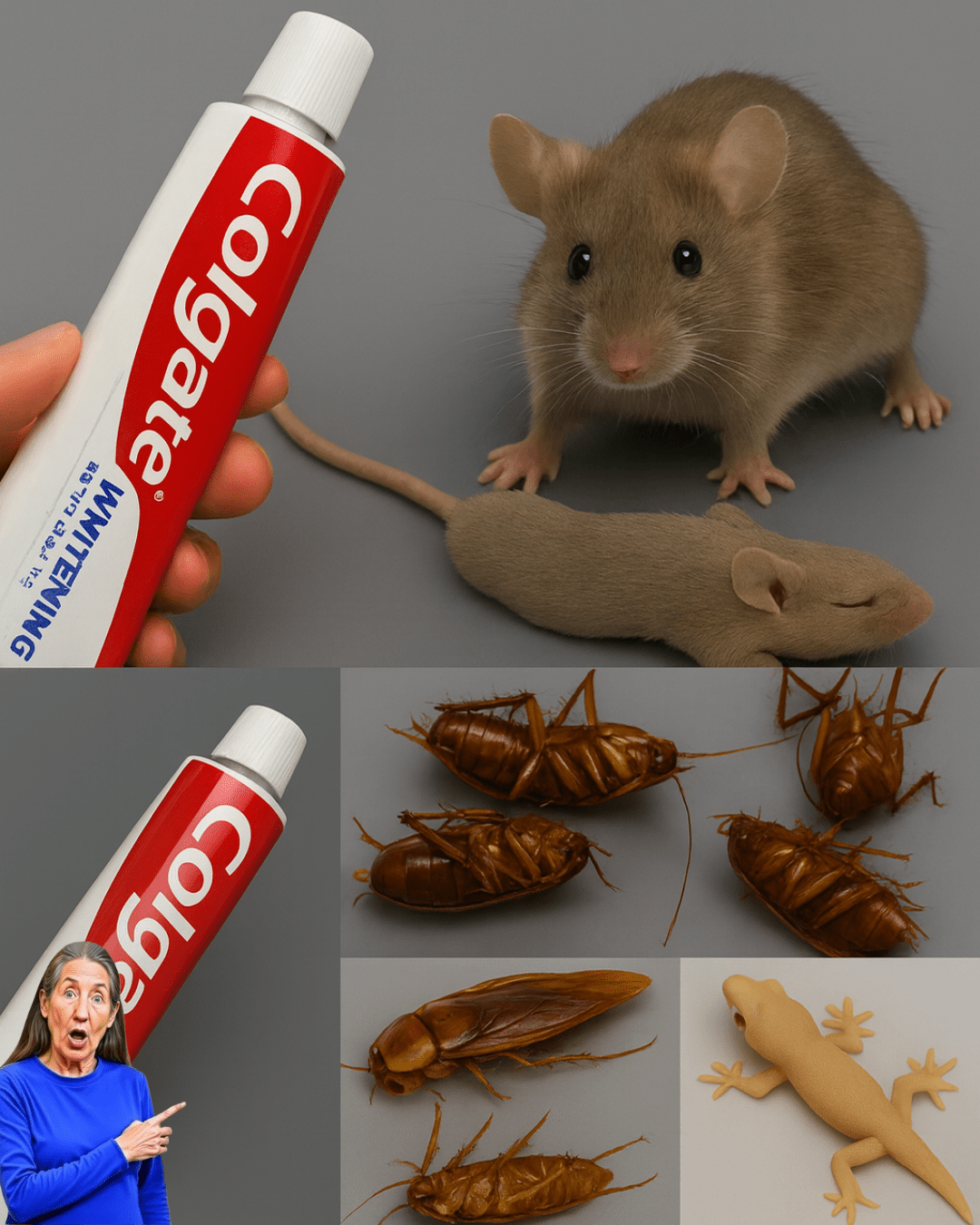
The Temptation of Quick Fixes: Why Home Remedies Fall Short
The appeal of using common household items like toothpaste or baking soda to control pests is strong: they are cheap, readily available, and seem harmless. Online videos often promise an immediate end to your pest problems without calling an expensive professional or handling harsh chemicals. This is where the temptation of the quick fix often overrides common sense and understanding of pest behavior.
But the reality is far more complex…
Pests like mice, cockroaches, and ants are highly evolved survivors. They react to their environment, and while a toothpaste mixture might deter them momentarily or even appear to eliminate a few individuals, it almost never addresses the root cause: the nesting site, the food source, or the entry points.
The Hidden Dangers of DIY Pest Control
When you use unproven home remedies, you aren’t actually solving the problem; you’re often just moving it or masking it. This can lead to serious, expensive, and potentially hazardous consequences that outweigh any money saved on a store-bought trap.
- Masking a Larger Infestation: A small pile of toothpaste might kill a handful of ants, but a colony of thousands will simply move around it. Cockroaches and mice are notorious for sensing new toxins and avoiding them, leading them to relocate their nesting sites to deeper, harder-to-reach areas, like inside walls or vents.
- Creating Health Risks: Leaving food-based baits (even those containing toothpaste or sugar) scattered around the house can attract more pests, especially rodents, from outside. Furthermore, using substances that aren’t designed for pest control can create residues that are unhygienic in areas where food is prepared.
- The Problem of Resistance: Pests that survive exposure to mild or non-lethal substances can become wary of similar baits in the future. This makes professional, targeted treatments much less effective when you finally call for help, driving up the long-term cost of elimination.
The Pest Problem is a Health Problem: Beyond the Nuisance
It’s crucial to remember that pests are more than just a nuisance; they are a public health risk. This is a primary reason why relying solely on unverified home tricks is highly discouraged by public health authorities.
Here’s the serious reality…
Mice and cockroaches are known carriers of various bacteria, viruses, and parasites. Cockroaches, for example, can trigger allergies and asthma, particularly in children, due to the allergens in their droppings and shed skin. Mice contaminate food preparation surfaces and can spread illnesses through their urine and feces, often without you even seeing them.
Bucket Brigade: Understanding the Scientific Approach to Pest Management
The difference between a viral home hack and a science-based solution lies in Integrated Pest Management (IPM). IPM focuses on a three-pronged approach: inspection, exclusion, and targeted intervention.
- Inspection: Understanding where the pests are coming from and what they are attracted to.
- Exclusion: Sealing entry points (gaps, cracks, holes) as small as a dime for mice.
- Targeted Intervention: Using professional-grade, scientifically-tested solutions only where necessary and in minimal amounts.
The truth is…
Using an appropriate, professional product in a small, targeted location is often safer and far more effective than haphazardly spreading a non-approved household item that might lure more pests into your home. The goal is complete elimination and prevention, not just temporary discouragement.
Comparing Control Methods: DIY vs. Integrated Pest Management (IPM)
| Control Method | Target Area | Effectiveness | Safety/Long-Term Risk |
| DIY Home Remedies (e.g., Toothpaste) | Visible trails/single spots | Low & Temporary (Deters some) | High (Masks infestation, attracts others) |
| Store-Bought Poisons/Traps | Baited areas | Moderate (Often only kills individuals) | Moderate (Risk to pets/children, resistance) |
| Integrated Pest Management (IPM) | Entry points, Nests, Food Sources | High & Sustained (Prevents entry, eliminates source) | Low (Uses minimal, targeted treatments) |
This comparison clearly illustrates that the focus needs to shift from killing individual pests to preventing the infestation in the first place, which no kitchen hack can achieve.
Actionable Tips: The Only 3 Steps to Real Pest Control
If you’re serious about eliminating pests safely and permanently, skip the hacks and focus on these critical, proven steps:
- Seal and Sanitize (Exclusion First): Identify and seal every crack, gap, and hole leading into your home, especially around utility lines, doors, and windows. Store all food (including pet food) in airtight containers and wipe down kitchen surfaces every night. This removes their access and their food source.
- Reduce Moisture: Fix any leaky pipes or dripping faucets. Cockroaches, in particular, need water to survive, and eliminating moisture sources is a powerful deterrent. Dehumidifiers in basements or crawl spaces can also help.
- Targeted Baiting (If Necessary): Only after exclusion and sanitation are maximized should you consider baiting. Use professional-grade, targeted bait stations designed for the specific pest (mice, roaches, or ants) and place them securely in areas inaccessible to children and pets, following all label instructions precisely.
Conclusion: Prioritize Safety and Long-Term Elimination
The viral “toothpaste trick” promises a magical solution to a complex problem, but the truth is, true pest elimination requires a strategic, sanitary approach rooted in public health best practices. By focusing on Exclusion—sealing your home and eliminating food and water sources—you are tackling the infestation at its source, achieving a safer, cleaner, and more permanent result than any quick-fix could ever offer. Invest your time and money in prevention, not temporary distraction.
Frequently Asked Questions (FAQ)
Q1: Will peppermint oil or other essential oils work as a pest repellent?
A: Essential oils like peppermint can sometimes temporarily deter pests like mice due to their strong odor, but they are not a reliable long-term solution. The scent fades quickly, and pests will return if the fundamental issues (food and entry points) are not addressed.
Q2: How small of an opening can a mouse fit through?
A: Mice can squeeze through openings incredibly small—as tiny as a pencil-width or about $1/4$ inch in diameter. This means you must be extremely thorough when sealing entry points around your home.
Q3: What should I do if I suspect a large, hidden infestation?
A: If you see evidence of pests during the day, notice strong odors, or find frequent droppings, the infestation is likely significant. At this point, it is safest and most effective to contact a licensed pest control professional for an inspection and targeted treatment plan.
Important Medical Disclaimer
The content provided here is for informational purposes only regarding home maintenance and public health practices. It does not constitute professional pest control advice. If you are dealing with a severe pest infestation, or if you have any health concerns related to pests, please consult a licensed pest control professional or a healthcare provider immediately.
Would you like me to find simple, proven ways to seal common mouse entry points in a home?