You diligently brush and floss, yet sometimes you still feel that lingering sense of unease about your breath or that sudden twinge of gum sensitivity. Dealing with persistent oral health worries can be frustrating, making you feel self-conscious and constantly reaching for temporary mints or harsh chemical rinses that don’t solve the core issue. The desire for a genuinely fresh, clean mouth that lasts all day is something everyone deserves, but finding a truly natural, sustainable solution often feels impossible. But what if the key to supporting a cleaner mouth and fresher breath wasn’t a bottle from the pharmacy, but a potent, tiny spice with a history of traditional use that science is only now confirming?
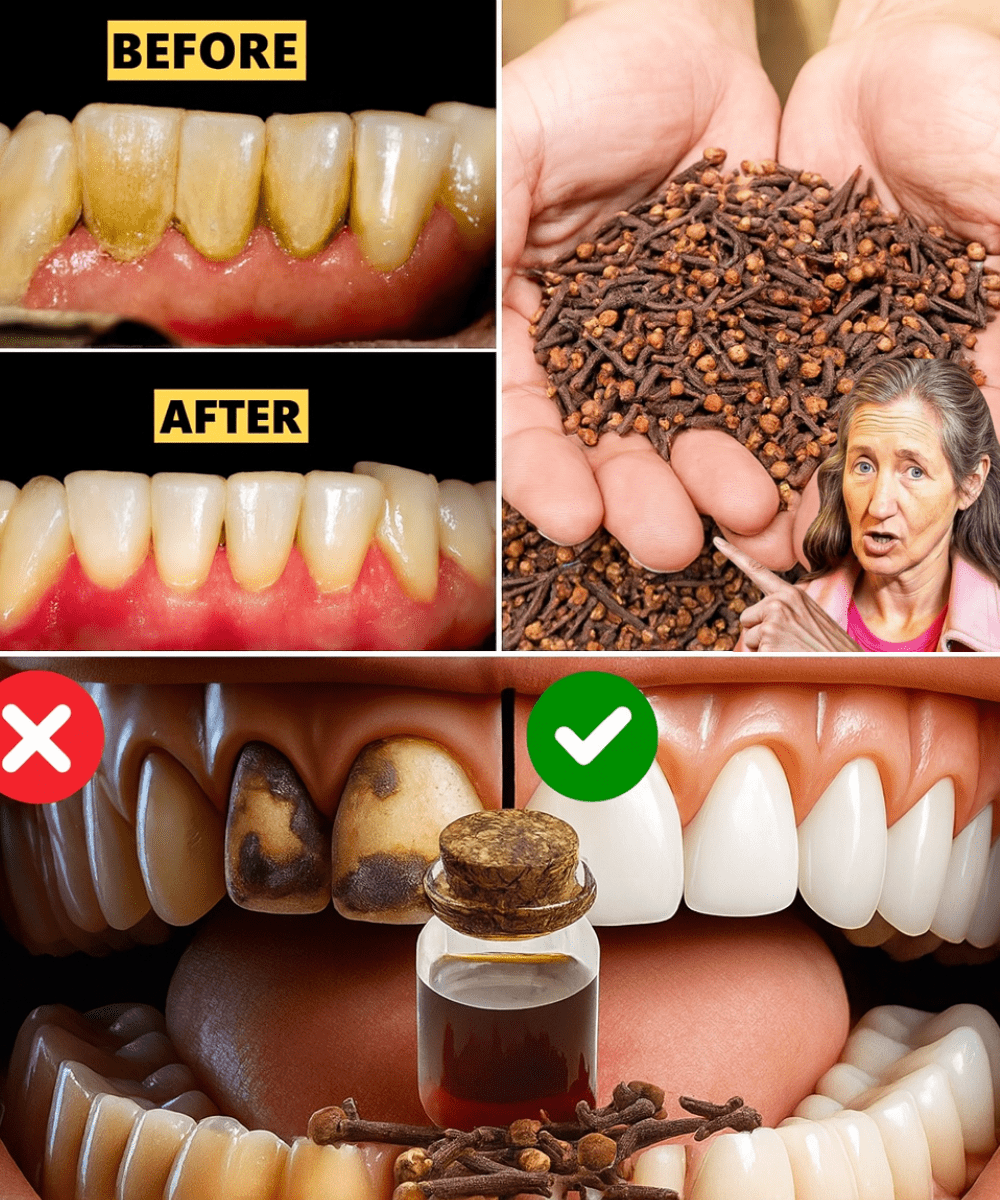
The Oral Health Trap: Why Bad Breath Lingers
Many commercial mouthwashes promise instant freshness, but the truth is they often use alcohol that dries out your mouth, which can actually worsen bad breath in the long run. The root of many common oral complaints, from persistent bad breath (halitosis) to minor gum irritation, often boils down to an imbalance of bacteria in the mouth. When harmful bacteria multiply, they produce volatile sulfur compounds that cause odor and contribute to plaque buildup. This is why just masking the smell isn’t enough; you need something that addresses the microbial balance gently, and that’s precisely where the star of our story shines.
🌿 The Clove Advantage: Understanding Eugenol
The power of cloves comes almost entirely from a single, potent compound: eugenol. This aromatic liquid is what gives cloves their characteristic scent and flavor, and more importantly, it’s what gives them their therapeutic properties. Historically, eugenol has been used in dentistry for decades, which speaks volumes about its efficacy and safety profile in oral care. Understanding this compound is the first step toward harnessing the spice’s benefits.
What Makes Eugenol So Effective?
Eugenol works in a couple of powerful ways that support a healthier oral environment.
- Supports Microbial Balance: Research, including studies cited in journals of dental research, suggests that eugenol has natural properties that can help manage the growth of certain oral bacteria. This is critical because controlling the bacterial population is the foundation of preventing plaque and promoting fresh breath.
- Soothing and Calming Properties: Eugenol is traditionally recognized for its ability to provide a temporary, soothing effect on sensitive tissues. When applied to the gums or areas of sensitivity, it offers gentle, temporary relief, a reason why it was a staple in historical toothache remedies.
- Key Action: Helps maintain a healthier balance of oral flora.
- The Science: Eugenol’s structure allows it to interact with certain cellular pathways.
Chewing Cloves Daily: A Simple, Mindful Ritual
Integrating cloves into your daily routine doesn’t require complex preparation; it can be as simple as gently chewing one or two whole cloves. But how exactly do you do this safely and effectively?
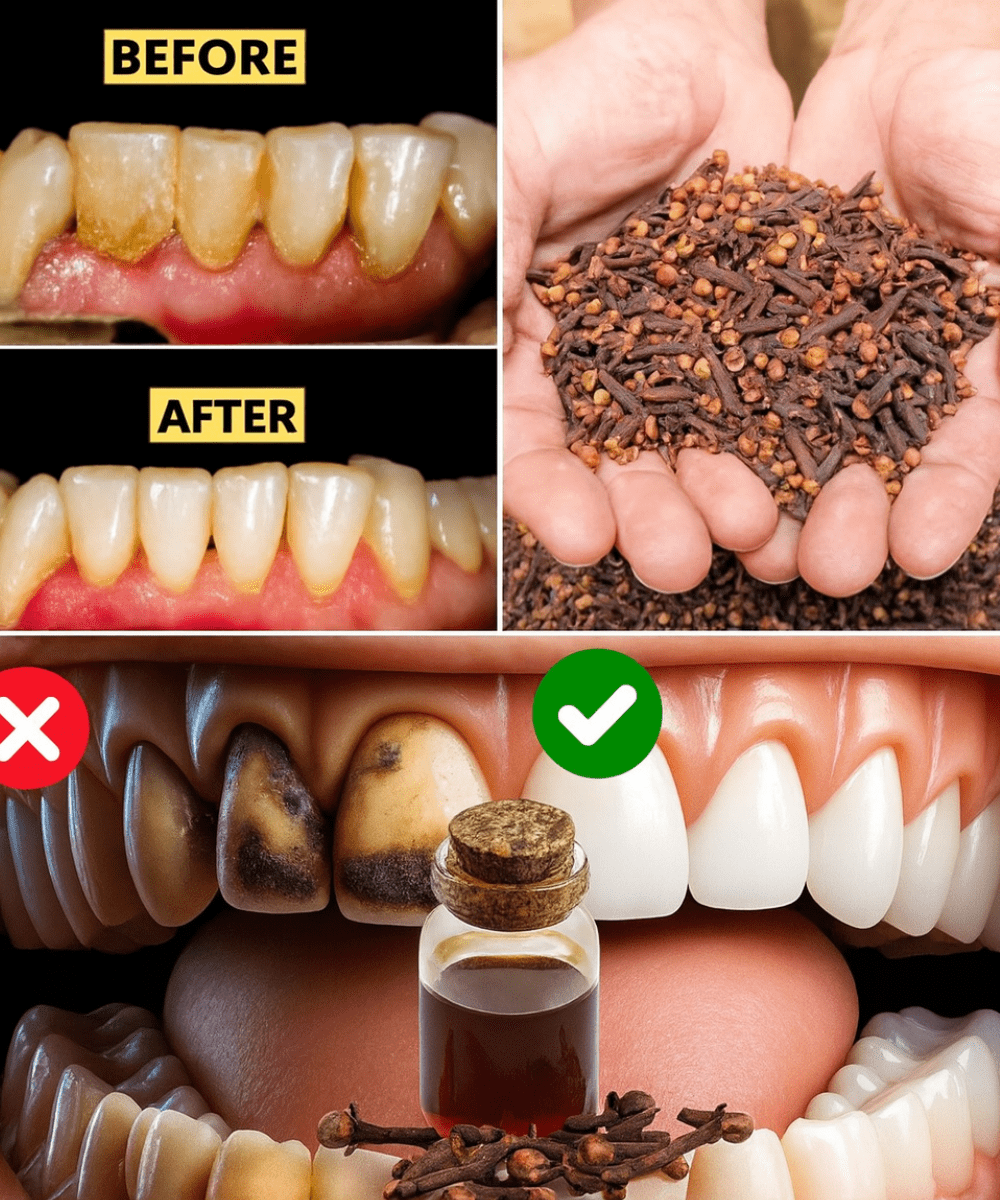
The Step-by-Step Clove Chew
- Select a Whole Clove: Choose one or two intact, dried whole cloves.
- Gentle Mastication: Place the clove in your mouth and gently chew it, not trying to grind it entirely, but just enough to release the oil. This step is crucial for releasing the eugenol.
- Hold and Swish: Allow the chewed clove remnants and the released oil to mix with your saliva and swish the resulting liquid around your mouth for a minute or two.
- Discard: Spit out the solid remnants of the clove.
The most common mistake people make is grinding the clove too hard, which can be irritating. The goal is a gentle pressure to express the beneficial oil slowly.
| Method of Use | Primary Benefit | Recommended Frequency |
| Chewing a Whole Clove | Freshens breath, delivers eugenol | 1-2 times daily, after meals |
| Clove Mouth Rinse | Full-mouth cleanse, general support | 2-3 times per week |
| Diluted Clove Oil | Spot relief for sensitivity/gums | As needed (use sparingly) |
💫 Beyond the Basics: Advanced Clove Applications
Once you’re comfortable with the simple chew, you can elevate your oral care routine using cloves in other ways. Here’s the part that ties back to your daily brushing: integrating ground cloves into your toothpaste for an extra boost.
DIY Clove-Infused Tooth Powder
A powder is easier to store than a paste and offers a deep-cleaning texture.
- Ingredients: 3 tablespoons of finely ground bentonite clay (food grade), 1 tablespoon of baking soda, 1 teaspoon of very finely ground whole cloves, and a pinch of xylitol (for flavor and added oral benefits).
- Instructions: Mix all the ingredients thoroughly in a small glass jar. To use, simply dip a damp toothbrush into the powder and brush as usual. This combination is powerful because the clay and baking soda gently polish, while the clove works on microbial balance.
But wait, there’s a practical tip for the powder: Always use a clean spoon or a dedicated scoop, rather than dipping your brush directly, to keep the powder dry and hygienic.

E-E-A-T and Oral Health: What the Research Suggests
It is important to root our health advice in credible sources. While we can’t make curative claims, the traditional use of cloves is strongly supported by general scientific understanding of its active compounds. For instance, the Journal of Medicinal Food and other peer-reviewed publications have explored eugenol’s properties, confirming its potential to impact the growth of certain oral pathogens. We are simply following the path laid out by thousands of years of traditional practice, now viewed through a modern scientific lens.
- Traditional Use: Used in Ayurvedic and Traditional Chinese Medicine for pain and odor.
- Modern Evidence: Studies confirm the powerful properties of eugenol, the primary compound in cloves.
The Missing Link: Why Consistency Matters
Just like flossing, the true benefits of cloves are cumulative. Using cloves sporadically won’t lead to lasting change. The key to success with any natural remedy is consistency. By creating the ritual—chewing a clove after your morning coffee or before a big meeting—you reinforce the beneficial effects daily, helping your mouth maintain its natural, healthy equilibrium over the long term.
❓ Quick Fire Clove FAQs
Q1: Will chewing cloves stain my teeth or fillings?
A: In short, no. While ground cloves are brown, chewing whole cloves gently and spitting out the remnants is highly unlikely to cause permanent staining on natural enamel or typical dental fillings. Always rinse your mouth with water afterward to be safe.
Q2: Is clove oil more effective than chewing the whole clove?
A: Not necessarily, and it’s riskier. Clove essential oil is extremely concentrated and, if not properly diluted (e.g., in a carrier oil like olive or coconut oil), can cause irritation or even burns to the delicate tissues of the mouth. Chewing a whole clove offers a gentle, controlled release of the oil, making it the safer and simpler daily habit.
Q3: Can I give cloves to children for tooth discomfort?
A: It is strongly advised to consult a dentist or pediatrician first. While historically used, due to the potency of eugenol, direct use of whole cloves or clove oil is generally not recommended for young children. Professional dental care should always be the first line of treatment for a child’s tooth discomfort.
Conclusion: Embrace the Natural Path to a Happier Smile
You have the power to transform your oral care routine from a chore into a simple, natural ritual that actually works. By tapping into the ancient power of the whole clove, you are choosing a budget-friendly, effective way to support fresh breath and soothe your gums, all thanks to the simple, potent compound, eugenol. This isn’t just about better breath; it’s about feeling confident and comfortable in your own smile. Start with one clove today, and feel the gentle, natural difference this tiny spice can make in your mouth.
Disclaimer: This article provides information for general health and wellness purposes only and is not intended to be a substitute for professional medical or dental advice, diagnosis, or treatment. Always seek the advice of your dentist or a qualified healthcare provider with any questions you may have regarding a medical condition or before starting any new treatment or supplement regimen.