
Many people deal with everyday discomfort in their joints after long days of activity, or notice their skin feeling dull and tired from daily exposure to the environment. These common experiences can make simple tasks feel more challenging and affect overall well-being. Traditional practices around the world have long turned to natural plants for gentle support in these areas, and one such plant—the castor plant (Ricinus communis)—stands out for its leaves’ historical role in home remedies.
But there’s more to discover about this everyday garden find that often goes unnoticed. In the sections ahead, we’ll explore its traditional uses, what limited studies suggest, and simple ways people incorporate it safely—keep reading to uncover a step-by-step guide you might want to try at home.
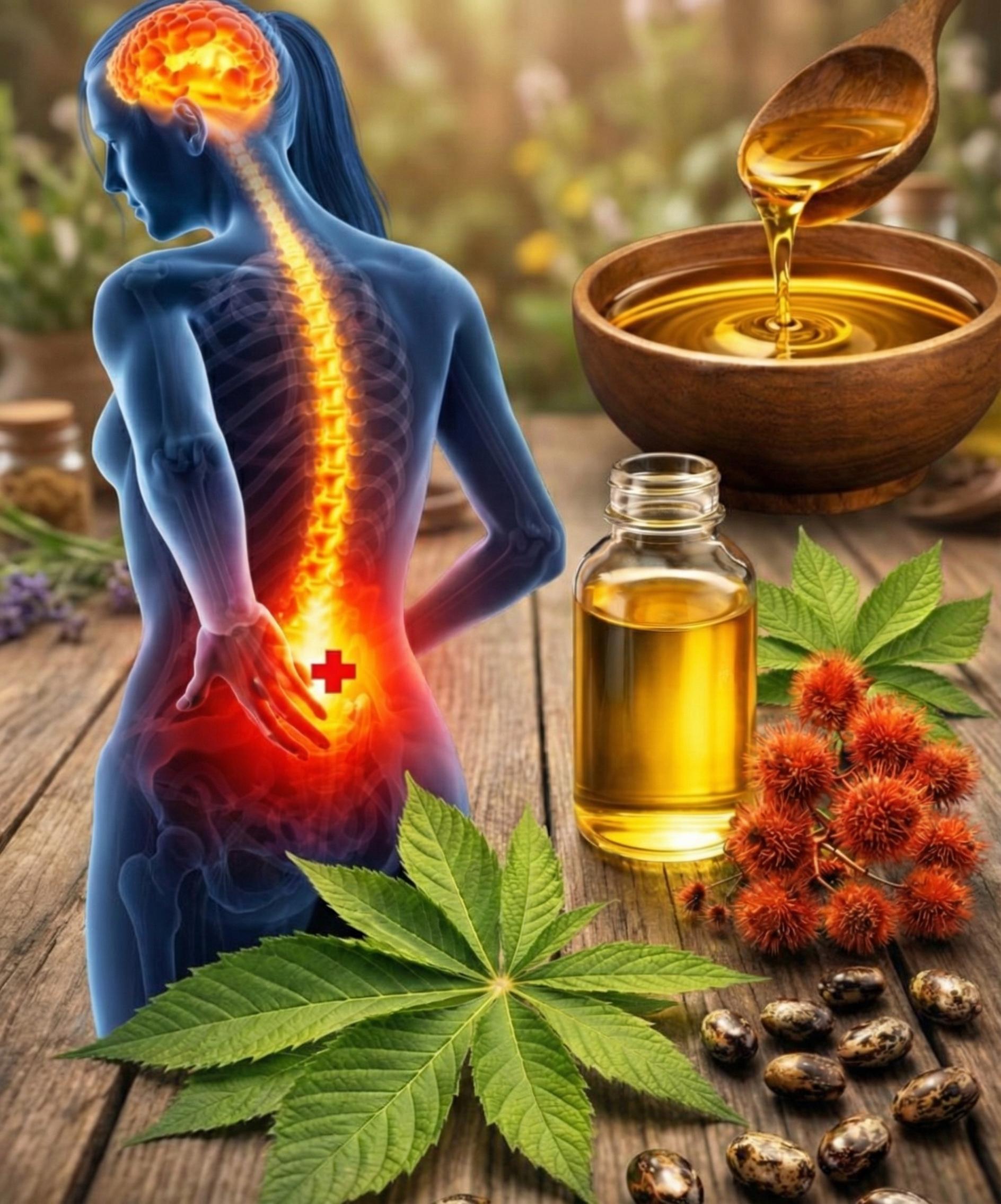
What Makes Castor Leaves Special in Traditional Practices?
The castor plant, known scientifically as Ricinus communis, grows widely in tropical and subtropical regions. While its seeds produce the well-known castor oil, the broad, palm-like leaves have their own place in traditional systems like Ayurveda and folk medicine across Asia, Africa, and Latin America.
Traditionally, people have valued the leaves for their potential to offer soothing support when applied topically. Research on Ricinus communis highlights compounds like flavonoids and other bioactive elements in the leaves that contribute to antioxidant activity, as noted in studies exploring plant extracts.
This sets the stage for why generations have kept castor leaves close by—not as a miracle, but as a complementary part of natural self-care routines.
Traditional Uses of Castor Leaves for Joint Comfort
Joint stiffness and occasional discomfort are common, especially with age or after physical work. In traditional practices, castor leaves have been used externally to promote a sense of ease in these areas.
Here’s why they’ve gained attention:
- Anti-inflammatory potential: Some lab research on plant extracts shows antioxidant and anti-inflammatory effects from leaf compounds.
- Topical application: Traditional methods often involve warming leaves and placing them on areas of concern to encourage circulation and relaxation.
Studies, including those examining related extracts, suggest possible benefits in reducing oxidative stress, which may tie into overall comfort. However, evidence remains limited to traditional knowledge and preliminary lab findings—always view these as supportive rather than definitive.
But that’s not the only area where castor leaves shine in home traditions.
Supporting Natural Detox Processes and Overall Wellness
Many seek gentle ways to aid the body’s natural cleansing functions. Castor leaves appear in some cultural practices for this purpose, often through external packs or infusions.
Traditional approaches suggest that applying warmed leaves over the abdomen might encourage circulation and support metabolic balance. This draws from the plant’s historical use in promoting a feeling of lightness and vitality.
Limited studies on Ricinus communis extracts point to antioxidant properties that could play a role in protecting cells from everyday stress. While more research is needed, these aspects make castor leaves intriguing for those interested in holistic wellness habits.
And there’s one more everyday benefit that draws people in.
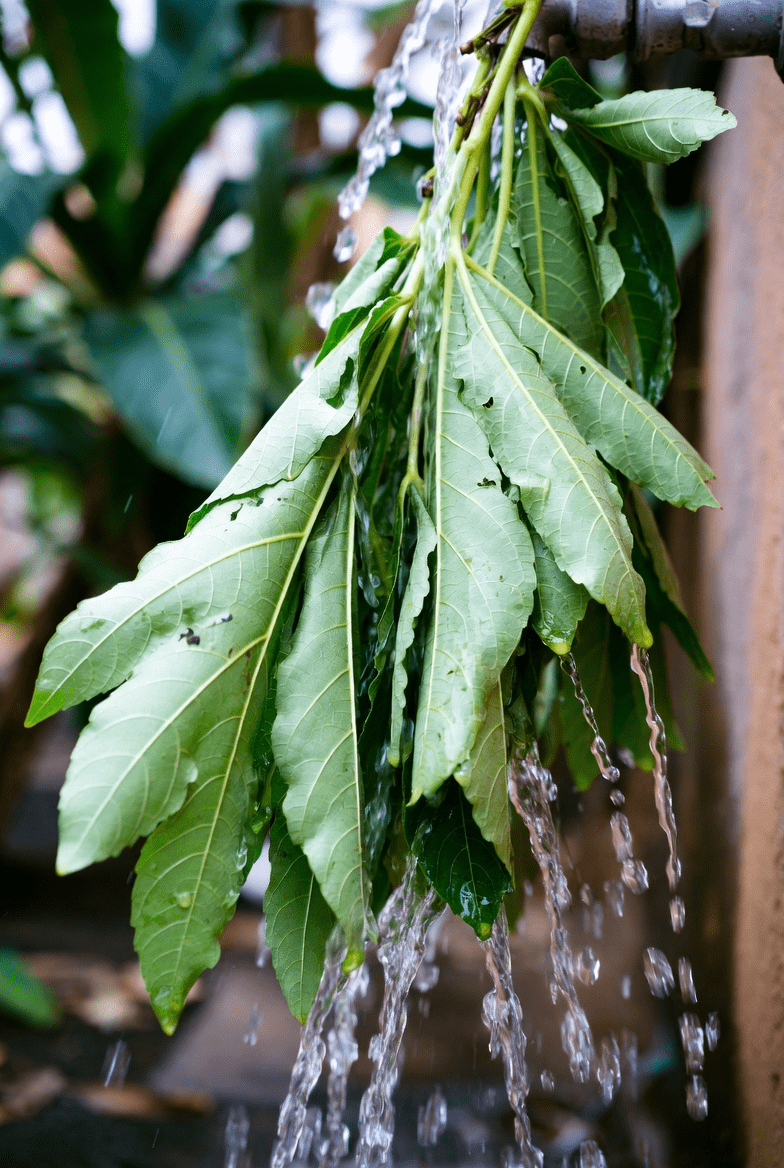
Castor Leaves and Skin Wellness
Healthy, glowing skin starts with good moisture and protection from daily irritants. In traditional remedies, castor leaves have been crushed or infused for topical use to support skin comfort.
Potential skin-friendly aspects include:
- Moisturizing effects: When prepared as a paste or soak, they may help soothe minor dryness.
- Gentle cleansing: Some practices use leaf applications to promote clearer, more balanced skin appearance.
Preliminary research on plant flavonoids suggests supportive roles in skin health, though most evidence focuses on related castor oil rather than leaves specifically. This makes them a popular choice in natural beauty routines.
The real draw comes from how easy they are to prepare at home—let’s look at practical steps next.
Simple Ways to Explore Castor Leaves at Home
If you’re curious about incorporating castor leaves safely, start with fresh or properly dried ones from a reliable source. Here’s a beginner-friendly guide to common traditional preparations:
1. Warm Leaf Compress for Joint Areas (Traditional Poultice Method)
- Pick 4–6 fresh castor leaves and wash them thoroughly.
- Gently warm them (dip briefly in hot water or place near a heat source—never burn).
- Crush lightly to release natural juices, then place directly on the area of interest.
- Cover with a clean cloth and secure; leave for 20–30 minutes.
- Rinse gently afterward. Use 2–3 times per week.
This method appears in Ayurvedic and folk traditions for soothing support.
2. Dried Leaf Infusion for External Use
- Dry fresh leaves in shade until crisp (avoid direct sun to preserve properties).
- Crush into small pieces and steep in warm water for 10–15 minutes.
- Strain and use the liquid as a soak or compress for skin or comfort areas.
- Store dried leaves in an airtight container for future use.
Quick Comparison: Fresh vs. Dried Castor Leaves
- Fresh Leaves — More potent juices for immediate poultice; ideal for topical compresses.
- Dried Leaves — Easier to store long-term; great for infusions or teas (external use only).
- Both — Require thorough washing; test a small patch first for sensitivity.
These are simple, low-effort habits that fit into daily routines.
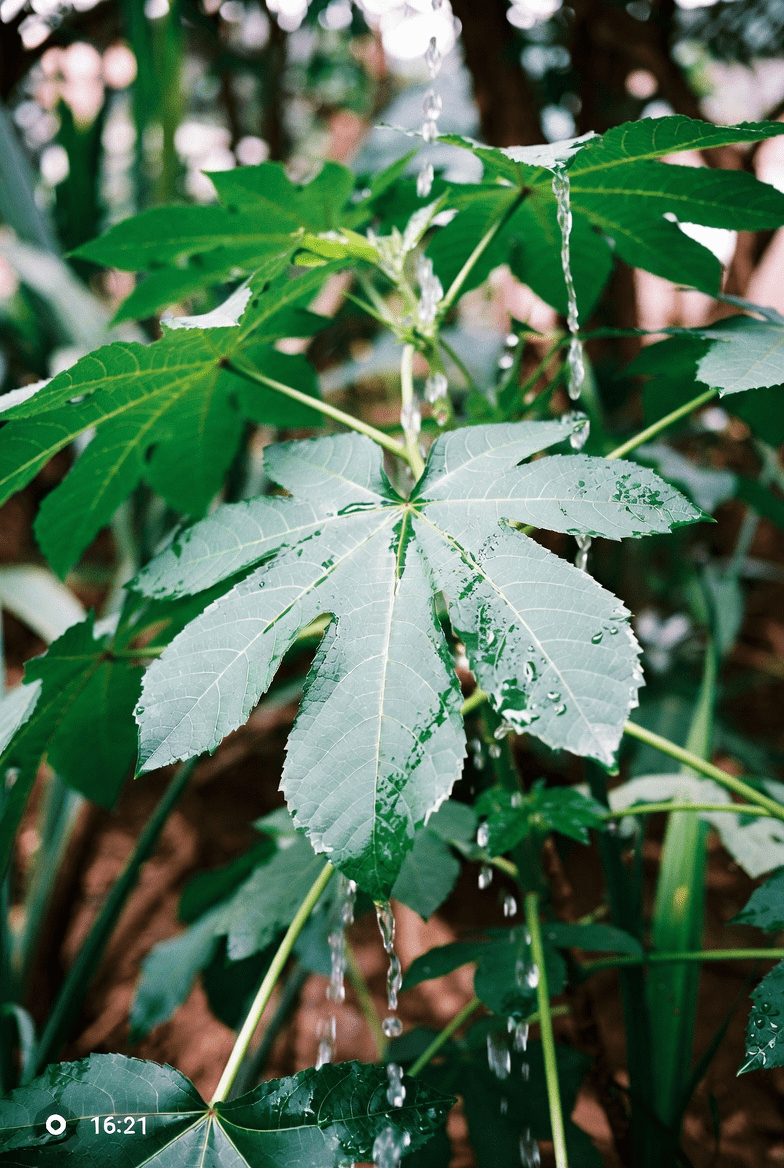
Important Safety Notes and Best Practices
Castor leaves are part of a plant with varying compounds—handle with care. The seeds contain known toxins, so focus only on leaves from trusted sources.
- Always do a patch test: Apply a small amount to your inner arm and wait 24 hours.
- Avoid internal use without expert guidance—traditional infusions are typically external.
- Not recommended during pregnancy or for open wounds.
- Consult a healthcare provider before trying, especially if you have skin conditions or take medications.
This ensures a positive, safe experience.
Wrapping Up: A Natural Plant Worth Noticing
Castor leaves represent a fascinating example of how traditional knowledge highlights everyday plants for gentle wellness support. From joint comfort to skin care and natural detox ideas, their historical role offers inspiration for simple home habits.
While modern research is still catching up, the antioxidant and soothing properties in studies make them worth exploring mindfully. Next time you spot this “garden gold,” consider how it might fit into your routine—with caution and curiosity.
Frequently Asked Questions
Are castor leaves safe for everyone to use topically?
Most people tolerate external use well, but always patch test first and consult a doctor if you have sensitivities or health conditions.
How do castor leaves differ from castor oil?
Castor oil comes from the seeds and is processed for various uses; leaves are used fresh or dried mainly for traditional external applications like poultices.
Can I grow castor plants at home for leaves?
Yes, in suitable climates, but handle carefully and ensure it’s the correct variety—many grow it ornamentally.
Disclaimer: This article is for informational purposes only and not intended as medical advice. The information provided is based on traditional uses and limited scientific studies. It is not a substitute for professional medical consultation. Always speak with a qualified healthcare provider before trying any new remedy, especially if you have pre-existing conditions or are pregnant. Individual results may vary, and no claims are made regarding diagnosis, treatment, or cure of any condition.


