
As we get older, many of us notice it becomes harder to climb stairs, carry groceries, or even stand up from a chair without effort. This gradual loss of muscle strength and mass, often called sarcopenia, can make everyday activities feel more challenging and increase the risk of falls or reduced independence. Studies show that after age 50, adults can lose 4 to 6 pounds of muscle per decade if nothing is done to counter it, leading to fatigue, slower recovery from illness, and lower overall quality of life. The good news is that simple, evidence-based changes in daily habits can help support muscle health naturally.
But here’s the part most people overlook: one particular nutrient-rich food stands out in research for its potential to help preserve strength when included regularly. Keep reading to discover what it is and how to make it work for you.

Why Muscle Strength Matters More Than Ever in Later Years
Muscle isn’t just about looking toned — it supports balance, mobility, and even metabolic health. Research from sources like Harvard Health and the National Institutes of Health highlights that maintaining muscle helps prevent frailty and supports independence well into older age.
The key challenge? Our bodies become less efficient at using protein for muscle repair as we age, a phenomenon known as anabolic resistance. This means older adults often need more high-quality protein than younger people to achieve similar benefits.
But that’s not all… combining the right foods with everyday movement amplifies the effects in ways that feel rewarding and sustainable.
The Role of Protein in Supporting Muscle Health
Protein provides the building blocks (amino acids) for muscle tissue. Studies suggest older adults aim for 1.0 to 1.2 grams of protein per kilogram of body weight daily — higher than the standard recommendation for younger adults — especially when paired with light activity.
Here are practical ways to boost protein intake:
- Spread it across meals: Aim for 25–30 grams per meal to maximize muscle support.
- Choose high-quality sources: Foods rich in essential amino acids, like leucine, are particularly helpful.
- Include variety: Mix animal and plant options for balanced nutrition.
But here’s where it gets interesting… one food consistently emerges in research as especially effective.
Discovering Whey Protein: A Standout Choice for Muscle Support
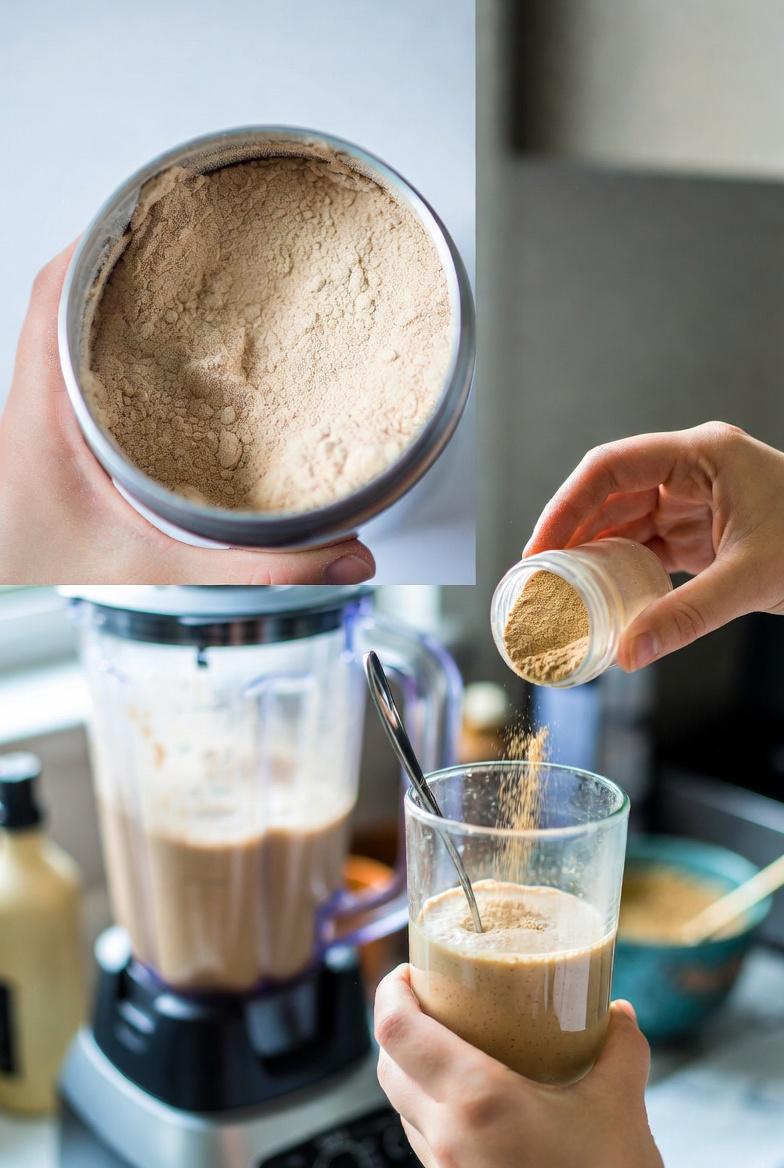
Among protein sources, whey protein (naturally found in dairy like milk, yogurt, and cheese) receives strong attention in scientific reviews for its high leucine content and fast absorption. Leucine acts as a trigger for muscle protein synthesis, the process that helps repair and maintain muscle fibers.
Multiple studies, including meta-analyses, show that whey protein, often combined with resistance exercise, supports gains in lean mass and strength in older adults more effectively than some other proteins in certain contexts. For example, whey helps older individuals recover muscle after periods of inactivity better than other sources in some trials.
Why whey stands out:
- Rich in leucine — This amino acid signals muscle growth more potently.
- High bioavailability — The body uses it efficiently.
- Convenient forms — From everyday dairy to simple powders mixed into smoothies.
But there’s more to explore… other nutrients team up with protein for even better results.

Supporting Nutrients That Work Alongside Protein
No single food works in isolation. Research emphasizes a team approach:
- Vitamin D — Often low in older adults, it supports muscle function. Sources include fortified dairy, fatty fish, or sunlight exposure.
- Omega-3 fatty acids — Found in fish like salmon, they may enhance muscle benefits when combined with activity.
- Creatine — Naturally in meat and fish, or as a supplement, it shows promise for strength when paired with exercise.
Quick comparison of protein sources for older adults:
- Whey/dairy: High leucine, fast absorption — great for quick muscle support.
- Eggs/meat/fish: Complete proteins with added nutrients like vitamin D and omega-3s.
- Plant options (soy, peas, beans): Good when combined or increased in amount for balanced amino acids.
Incorporating these thoughtfully can make a noticeable difference over time.
Actionable Steps to Add This Into Your Routine Today
Start small and build habits that stick. Here’s a simple guide:
- Assess your current intake — Track a few days to see if you’re hitting 25–30 grams per meal.
- Incorporate whey-rich foods — Try Greek yogurt for breakfast, a milk-based smoothie mid-morning, or cottage cheese as a snack.
- Pair with gentle movement — Add bodyweight exercises like chair stands or light weights 2–3 times a week — research shows this combo maximizes benefits.
- Boost with extras — Include eggs, fish, or nuts daily; consider fortified foods for vitamin D.
- Stay consistent — Small, regular additions lead to lasting support for strength.
The most exciting part? Many people report feeling more energetic and capable within weeks of these changes.
Wrapping It Up: A Simple Path to Stronger Years Ahead
Supporting muscle strength as we age doesn’t require drastic overhauls — focusing on protein-rich foods like those containing whey, combined with light activity and supporting nutrients, offers a practical, research-backed approach. By making these habits part of your routine, you can help maintain mobility, independence, and vitality.
Frequently Asked Questions
How much protein do older adults really need daily?
Experts often recommend 1.0–1.2 grams per kilogram of body weight, spread evenly across meals, to support muscle health better than lower amounts.
Can I get enough from food alone, or do I need supplements?
Whole foods like dairy, eggs, fish, and beans work well for most. Supplements (like whey powder) can help if appetite is low or intake falls short — consult a doctor first.
Is it ever too late to start focusing on muscle strength?
No — studies show benefits from dietary changes and activity even in advanced age, helping improve function and quality of life.
Disclaimer: This article is for informational purposes only and not intended as medical advice. Always consult your healthcare provider before making dietary changes, especially if you have health conditions or take medications. Individual results may vary based on overall health and lifestyle.


