
Your recent blood test shows creatinine at 1.68 mg/dL—a level your doctor is monitoring closely. While medication might be discussed later, many people look for natural ways to support kidney function alongside medical advice.
Emerging research suggests that certain common spices contain compounds with anti-inflammatory, antioxidant, and circulation-boosting properties that may help protect kidneys and potentially lower creatinine over time. Here are five spices backed by scientific studies that show promise for kidney health.

1. Turmeric: The Anti-Inflammatory Powerhouse
Curcumin in turmeric has been widely studied for its effects on kidney disease. A 2022 meta-analysis of 14 randomized trials found that curcumin supplementation significantly reduced serum creatinine levels (by about 0.08 mg/dL on average) in patients with inflammatory conditions, including CKD.
Animal and human studies also show it reduces oxidative stress and inflammation, key factors in kidney damage. Pair it with black pepper for better absorption.
2. Ginger: Improves Circulation and Waste Clearance
Gingerol in ginger boosts renal blood flow and acts as a mild diuretic. A systematic review of animal studies on diabetic kidney disease found that ginger supplementation lowered creatinine in most cases.
Pilot human studies in CKD patients showed reductions in creatinine and improvements in GFR after consistent use. It also helps with common symptoms like nausea.
3. Cinnamon: Supports Better Blood Sugar Control
High blood sugar damages kidney filters over time. Cinnamon improves insulin sensitivity, and meta-analyses show it lowers fasting glucose significantly.
While direct creatinine-lowering studies are limited, better glucose control indirectly reduces kidney strain. Some animal models of acute kidney injury showed cinnamon extracts lowering creatinine.
4. Cayenne Pepper: Promotes Better Blood Flow
Capsaicin dilates blood vessels and may protect kidney cells. Population studies link higher chili intake to lower CKD risk.
Animal research shows capsaicin activates pathways that reduce kidney inflammation and oxidative stress, potentially preserving function. Preliminary evidence suggests benefits for circulation in kidneys.
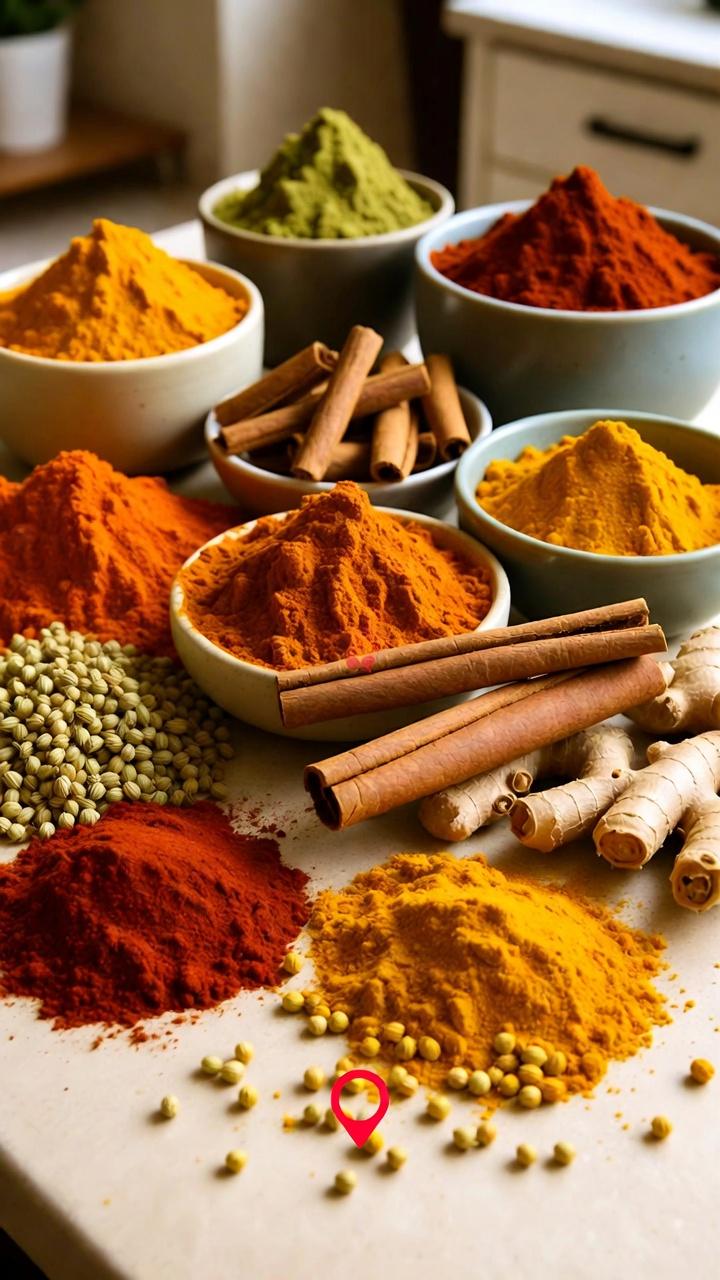
5. Coriander Seeds: Traditional Cleanser with Modern Potential
Used in traditional medicine for urinary health, coriander seeds have flavonoids with antioxidant effects. Limited studies (mostly animal or small human trials) suggest diuretic properties that aid waste clearance.
Direct evidence for creatinine reduction is sparse, but it may support overall detoxification when used moderately.
How These Spices May Benefit Kidneys
| Spice | Key Compound | Main Potential Benefit | Evidence from Studies |
|---|---|---|---|
| Turmeric | Curcumin | Reduces inflammation & oxidative stress | Meta-analysis: ~0.08 mg/dL creatinine drop |
| Ginger | Gingerol | Boosts renal blood flow | Systematic review: Lower creatinine in most animal CKD models |
| Cinnamon | Cinnamaldehyde | Improves glucose control | Indirect via reduced kidney strain |
| Cayenne | Capsaicin | Vasodilation & cell protection | Population link to lower CKD risk |
| Coriander Seeds | Flavonoids | Mild diuretic & antioxidant | Traditional use; limited modern data |
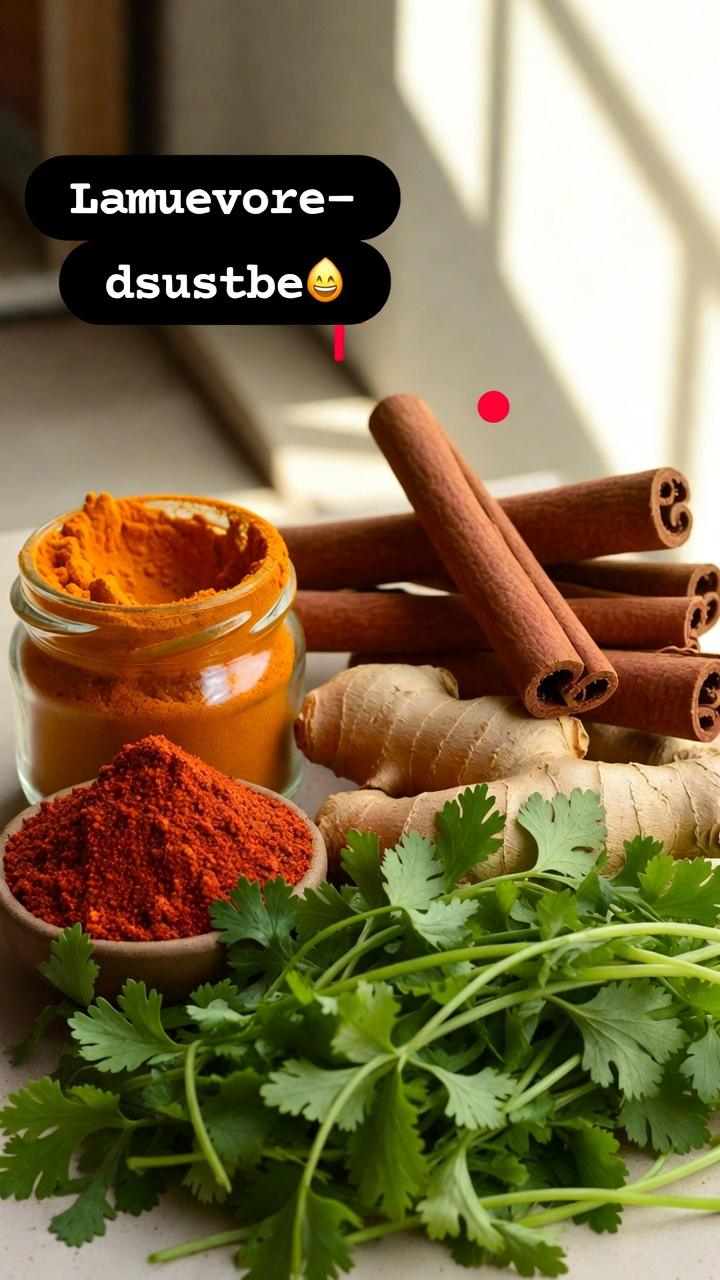
A Simple 30-Day Plan to Incorporate Them Safely
Start small to avoid digestive upset:
- Morning → ½ tsp turmeric + pinch black pepper in tea or food
- Midday → Sprinkle cinnamon on yogurt or oats
- Afternoon → Fresh ginger tea (3-4 slices steeped)
- Evening → Pinch of cayenne in meals
- Night → ½ tsp ground coriander in water or rice
Use at least 3 daily. Many report better energy and reduced swelling within weeks.
Important Notes
These spices show promise in studies, but results vary. Effects are often modest and best as complements to a kidney-friendly diet (low sodium, controlled protein, adequate hydration). Dramatic creatinine drops claimed in anecdotes aren’t typical.
Always consult your doctor or nephrologist before changes—especially if on dialysis, medications (e.g., blood thinners, diabetes drugs), or advanced CKD. Spices can interact or affect potassium levels.
This is informational only and not medical advice. Professional guidance ensures safety for your situation.
Nature offers supportive tools in your kitchen—small consistent steps may help protect your kidneys for the long term.


