
Many people notice subtle changes like foamy urine or slight swelling in their ankles without realizing these could point to extra protein leaking into the urine, known as proteinuria. This quiet shift often signals added stress on the kidneys as they work hard to filter blood and maintain balance. Left unaddressed, it can contribute to ongoing challenges with kidney function. Yet, certain nutrients from food and sunlight show promise in offering gentle support to kidney health and possibly helping reduce protein leakage.
Research highlights a few key vitamins that may play a role in this process, and the third one often surprises people with its everyday sources. Let’s explore them step by step.

Understanding Proteinuria and Why Kidney Support Matters
Proteinuria occurs when proteins, like albumin, pass through the kidney’s filters into the urine more than usual. It’s not a condition on its own but a sign that the kidneys might need extra care, often linked to factors like high blood pressure or diabetes.
Over time, this can add to inflammation and oxidative stress in the kidney tissues. Studies suggest that certain vitamins with antioxidant properties or roles in blood pressure regulation may help support the kidney’s natural filtration process.
But here’s the key: these vitamins work best as part of a broader approach, including a balanced diet and regular check-ups. No single nutrient replaces medical guidance.
Vitamin #1: Vitamin D – A Key Player in Kidney Filtration Support
Vitamin D does more than support bones; it helps regulate systems that influence blood pressure and kidney function.
Many people with proteinuria have lower vitamin D levels, and research, including systematic reviews of clinical trials, indicates that addressing this deficiency with active forms of vitamin D may help reduce protein leakage in the urine, especially when combined with standard care.
For instance, studies on patients with chronic kidney conditions show that vitamin D analogs can contribute to lower proteinuria levels over time.
Natural ways to boost vitamin D include safe sun exposure and foods like fatty fish or fortified options. But levels vary, so testing is a smart first step.
The interesting part? Vitamin D’s effects seem tied to its role in calming inflammation inside the kidney filters.
Vitamin #2: Vitamin E – An Antioxidant That May Protect Kidney Cells
Every day, kidney cells face oxidative stress from free radicals, which can weaken their protective barriers and contribute to protein leakage.
Vitamin E stands out as a fat-soluble antioxidant that neutralizes these threats.
Animal studies and some human research suggest vitamin E supplementation can reduce markers of kidney injury and proteinuria, particularly in conditions involving high oxidative stress like diabetes.
One review of trials noted potential benefits in lowering urinary protein in certain groups.
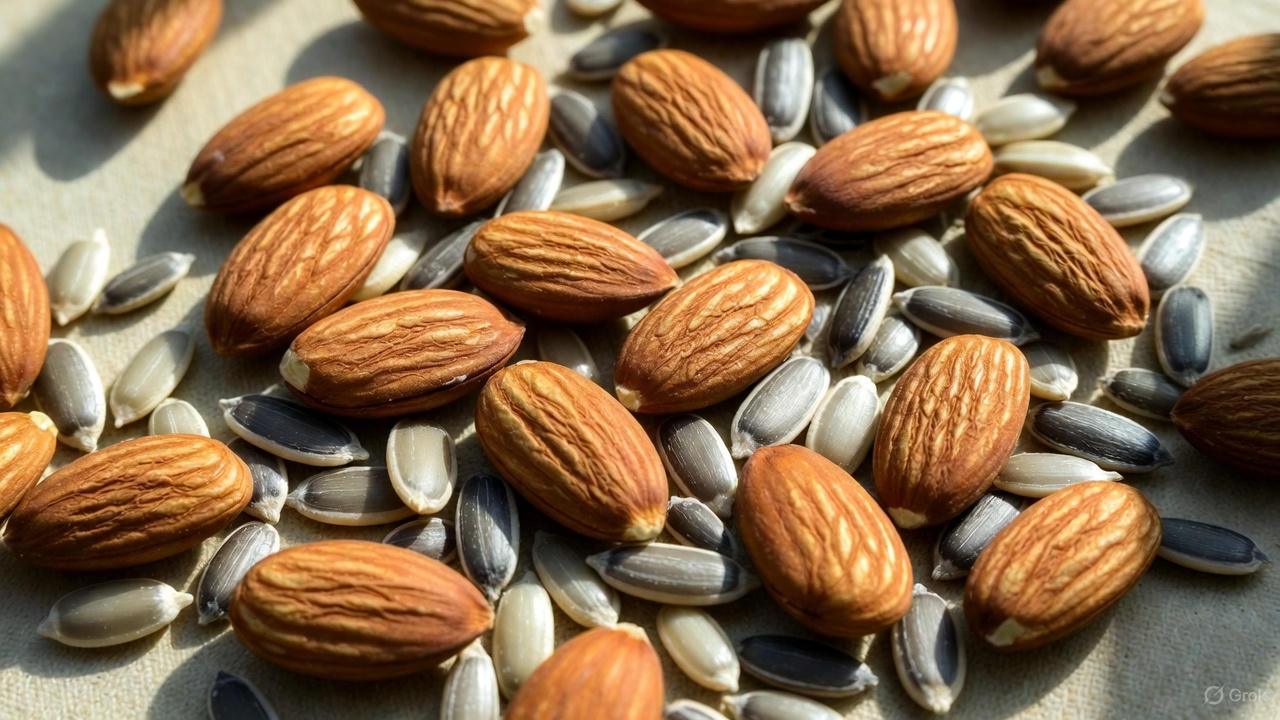
Rich sources include nuts, seeds, and green leafy vegetables – simple additions to meals that provide natural protection.
Pairing vitamin E with other antioxidants, like vitamin C, might enhance its effects, according to emerging insights.
This makes vitamin E a quiet guardian for cells under daily strain.
Vitamin #3: B Vitamins (Especially B6, Folate, and B12) – Supporting Energy and Reducing Inflammation
B vitamins help convert food into energy and maintain healthy cells, which is crucial for the millions of tiny filters in the kidneys.
Deficiencies in B6 (pyridoxine), folate (B9), and B12 are common in kidney challenges, and they can raise homocysteine levels, adding to inflammation.
Research points to B vitamins helping lower homocysteine and supporting overall kidney function, with some studies showing reduced risk of decline.
In diabetic models, certain B vitamins like thiamine have shown potential in easing albuminuria.
Foods like eggs, leafy greens, legumes, and whole grains are excellent sources.
Many find that focusing on these nutrients brings a sense of renewed energy alongside kidney support.
But that’s not all – combining them thoughtfully can amplify benefits.
Comparing the Top 3 Vitamins for Kidney Support
| Vitamin | Main Role | Potential Kidney Benefits | Best Food Sources |
|---|---|---|---|
| Vitamin D | Regulates blood pressure and inflammation | May help reduce protein leakage; supports filtration | Sunlight, salmon, fortified milk |
| Vitamin E | Powerful antioxidant | Protects cells from oxidative damage; may lower proteinuria | Almonds, sunflower seeds, spinach |
| B Vitamins (B6, Folate, B12) | Energy production and homocysteine control | Reduces inflammation; supports cell repair | Eggs, leafy greens, whole grains |
This side-by-side view shows how each brings unique strengths.
Practical Ways to Incorporate These Vitamins Daily
Starting small can make a big difference. Here are actionable steps:
- Spend 10-15 minutes in morning sunlight for natural vitamin D.
- Snack on a handful of almonds or seeds for vitamin E.
- Add spinach or eggs to meals for B vitamins.
- Choose fatty fish like salmon twice a week.
- Stay hydrated to support overall kidney flow.
- Include a variety of colorful vegetables for combined antioxidant effects.
Track how you feel and discuss changes with your doctor.
Research shows that consistent, food-first approaches often yield the best long-term support.
Common Questions About Vitamins and Proteinuria
1. Can these vitamins alone fix proteinuria?
No single vitamin replaces comprehensive care, but studies suggest they may support kidney health when part of a healthy lifestyle and under medical supervision.
2. Should I take supplements right away?
Always get levels tested first. For example, vitamin D deficiency is common, but excess can have drawbacks. Food sources are often the safest start.
3. Are there risks for people with kidney concerns?
Yes – high doses of some vitamins, like certain forms, may not be ideal. Consult a healthcare provider for personalized advice.
This article is for informational purposes only and is not medical advice. Always consult your healthcare provider before making changes to your diet or starting supplements, especially with kidney concerns.
(Word count: approximately 1280)


