
Living with diabetes often means constant attention to blood sugar fluctuations, diet choices, and daily habits that can feel overwhelming. Many people struggle with maintaining stable glucose levels despite their best efforts, leading to fatigue, worry about long-term complications, and frustration when numbers don’t improve as hoped. Research suggests that certain essential minerals play supportive roles in how the body handles glucose and insulin, and getting enough through food or under professional guidance might make a positive difference for some individuals.
But here’s something intriguing: while no single nutrient is a magic fix, studies point to four key minerals that frequently show up in discussions about supporting metabolic health. Keep reading to discover what they are, why they matter, and practical ways to incorporate them—because small, consistent changes could help you feel more in control.

Why Minerals Matter for Blood Sugar Support
Minerals act as cofactors in hundreds of enzymatic reactions, including those involved in glucose metabolism and insulin function. Deficiencies in certain minerals are more common in people with diabetes, often due to factors like increased urinary loss or dietary patterns. Research from sources like the National Institutes of Health and systematic reviews indicates that adequate levels of specific minerals may help support insulin sensitivity and glucose regulation when part of a balanced approach.
However, it’s important to note that supplements are not proven to replace standard diabetes care, and evidence varies. Always consult a healthcare provider before making changes, especially if you’re on medications.
1. Magnesium: The Everyday Mineral for Metabolic Balance
Magnesium is involved in over 300 biochemical processes, including insulin signaling and glucose uptake into cells. Studies, including reviews of clinical trials, have found that people with higher magnesium intake often show better insulin sensitivity, and supplementation may offer modest benefits for fasting glucose in those with low levels.
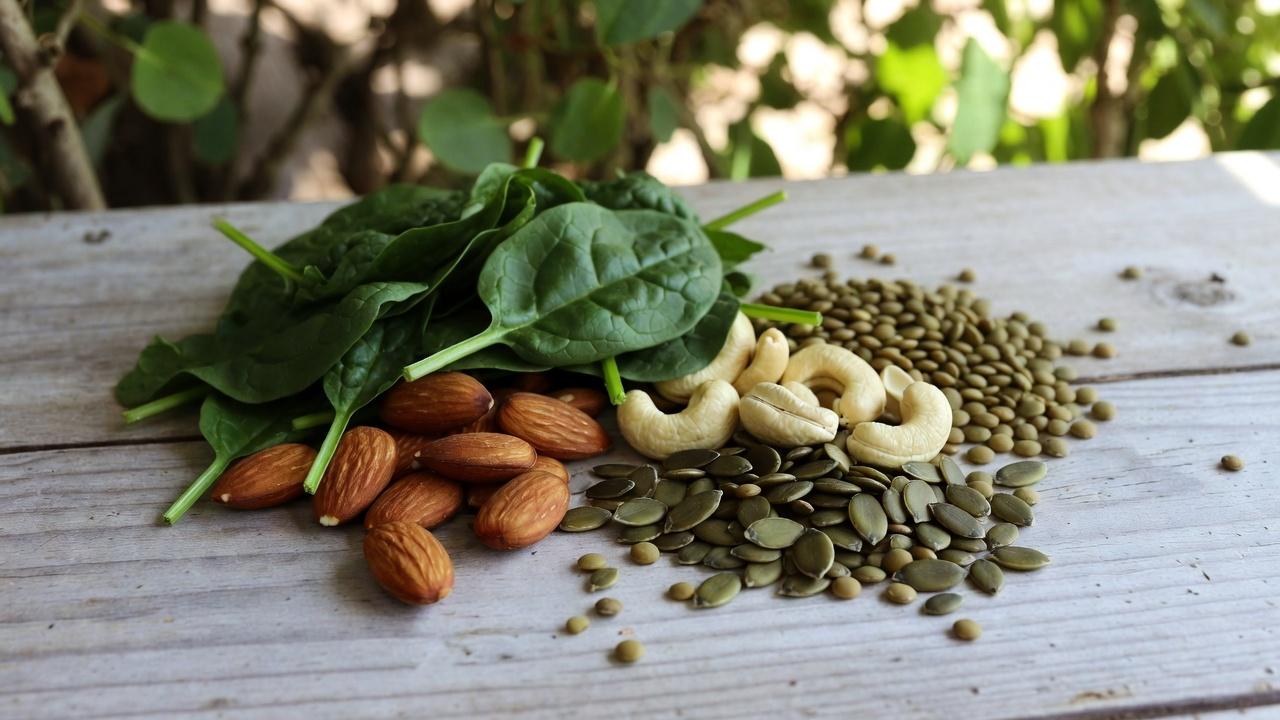
Many individuals with diabetes have lower magnesium status, which can contribute to challenges in blood sugar control. Foods rich in magnesium include leafy greens like spinach, nuts (such as almonds), seeds, whole grains, and legumes.
Practical Tips to Boost Magnesium Naturally:
- Start your day with a handful of almonds or pumpkin seeds as a snack.
- Add spinach or Swiss chard to salads, smoothies, or stir-fries.
- Choose whole-grain options like brown rice or quinoa over refined versions.
- Aim for variety—combine sources to reach around 300-400 mg daily from food where possible.
But that’s not all—magnesium works best alongside other habits like regular movement.
2. Chromium: The Trace Mineral Linked to Insulin Action
Chromium is a trace element that may enhance insulin’s effectiveness by supporting glucose transport into cells. Multiple reviews of randomized trials, including those analyzing hundreds of participants, suggest chromium supplementation can lead to small improvements in fasting blood glucose and HbA1c in some people with type 2 diabetes, particularly when intake is low.
Natural food sources include broccoli, whole grains, lean meats, and certain fruits like apples. The exact amount in foods varies based on soil quality.
How to Include More Chromium:
- Eat broccoli or green beans several times a week—steam or roast for easy prep.
- Opt for whole-grain bread or oats in meals.
- Include lean proteins like turkey or beef in balanced portions.
- Pair with vitamin C-rich foods (like bell peppers) to potentially improve absorption.
This mineral’s effects are often more noticeable in those with suboptimal levels, making dietary focus worthwhile.

3. Zinc: Supporting Insulin Production and Overall Health
Zinc plays a key role in insulin storage and release from the pancreas, as well as antioxidant protection that helps reduce oxidative stress common in diabetes. Observational studies and reviews show that zinc levels tend to be lower in people with diabetes, and adequate intake supports better metabolic markers.
Good sources include oysters (one of the richest), pumpkin seeds, lentils, chickpeas, and beef.
Actionable Ways to Add Zinc:
- Sprinkle pumpkin seeds on yogurt, salads, or oatmeal.
- Incorporate lentils or chickpeas into soups, stews, or veggie patties.
- Choose lean meats or shellfish occasionally for a zinc boost.
- If vegetarian, combine plant sources with vitamin C foods to enhance absorption.
Here’s the interesting part: zinc also aids wound healing, which can be slower in diabetes.
4. Potassium: The Mineral for Broader Metabolic Support
Potassium helps regulate fluid balance, nerve signals, and muscle function, and higher intake is associated with better overall glycemic control in population studies. Some research links adequate potassium to lower risks of insulin resistance and improved blood pressure—common concerns in diabetes.
Top food sources are bananas, sweet potatoes, spinach, beans, and avocados.
Simple Steps for More Potassium:
- Bake or mash sweet potatoes as a side dish.
- Add sliced bananas to breakfast cereal or smoothies.
- Include beans in chili, salads, or as hummus.
- Snack on avocados or leafy greens.
Combining these foods creates meals that naturally support multiple minerals at once.
Quick Comparison: Food Sources of the Top 4 Minerals
- Magnesium: Spinach (157 mg/cup cooked), Almonds (80 mg/oz), Black beans (120 mg/cup)
- Chromium: Broccoli (11 mcg/cup), Whole wheat bread (varies), Turkey (varies)
- Zinc: Pumpkin seeds (2.2 mg/oz), Lentils (3.3 mg/cup cooked), Beef (7 mg/3 oz)
- Potassium: Sweet potato (542 mg/medium), Banana (422 mg/medium), Avocado (690 mg/medium)
Focus on whole foods first—these provide synergistic nutrients that supplements often lack.
How to Get Started Today: Actionable Steps
- Track your current intake using a simple app or journal for a week to spot gaps.
- Build one meal around these minerals daily—e.g., a spinach salad with chickpeas, pumpkin seeds, and avocado.
- Stay hydrated and pair with physical activity, as exercise can improve mineral utilization.
- Discuss blood tests with your doctor to check levels if concerned about deficiencies.
- Avoid self-prescribing high-dose supplements without guidance, as excess can cause issues.
These steps are straightforward and fit into everyday routines, helping build sustainable habits.
Conclusion
Incorporating magnesium, chromium, zinc, and potassium through nutrient-dense foods offers a practical way to support your body’s natural glucose-handling processes. While not a substitute for medical care, diabetes management, or prescribed treatments, paying attention to these minerals as part of a balanced lifestyle may contribute to feeling more energized and stable. Small, consistent efforts add up—start with one change this week and build from there.
FAQ
What foods provide the most magnesium for blood sugar support? Leafy greens, nuts, seeds, and whole grains top the list. Aim for variety to meet daily needs without relying on supplements alone.
Can I get enough chromium from diet alone? Yes, foods like broccoli, whole grains, and lean proteins often suffice, though amounts vary. Focus on consistent inclusion rather than high single servings.
Is it safe to increase these minerals if I have diabetes? Generally yes through food, but check with your healthcare provider first, especially if you take medications or have kidney concerns, as balance is key.
Disclaimer: This article is for informational purposes only and not intended as medical advice. Minerals support health but do not cure or treat diabetes. Always consult a qualified healthcare professional before changing your diet, starting supplements, or adjusting diabetes management. Individual needs vary, and professional guidance ensures safety.


