
If you’re dealing with elevated creatinine levels or concerned about your kidney health, you know how worrying it can feel—constant fatigue, swelling, or the uncertainty of lab results can make everyday life challenging. Many people search for simple dietary changes that might offer gentle support, but it’s important to focus on realistic, evidence-based choices rather than quick fixes. While no single food can dramatically alter kidney markers overnight, incorporating certain low-potassium, nutrient-rich options may help ease the burden on your kidneys and promote overall wellness. But here’s the encouraging part: small, consistent habits can add up over time, and in the sections below, you’ll discover five practical foods backed by nutritional insights that many kidney care experts recommend.

Why Diet Matters for Kidney Health
Your kidneys work hard to filter waste like creatinine from the blood, and when function is compromised, certain nutrients can build up. Research shows that a diet low in sodium, moderate in protein, and rich in antioxidants from plant-based foods can support kidney health by reducing inflammation and helping maintain better fluid balance. Studies have also suggested that increasing dietary fiber intake may contribute to modest improvements in creatinine levels and estimated GFR in some individuals with chronic kidney concerns.
The key is choosing foods that are naturally kidney-friendly—low in potassium, phosphorus, and sodium—while providing hydration, fiber, and beneficial compounds.
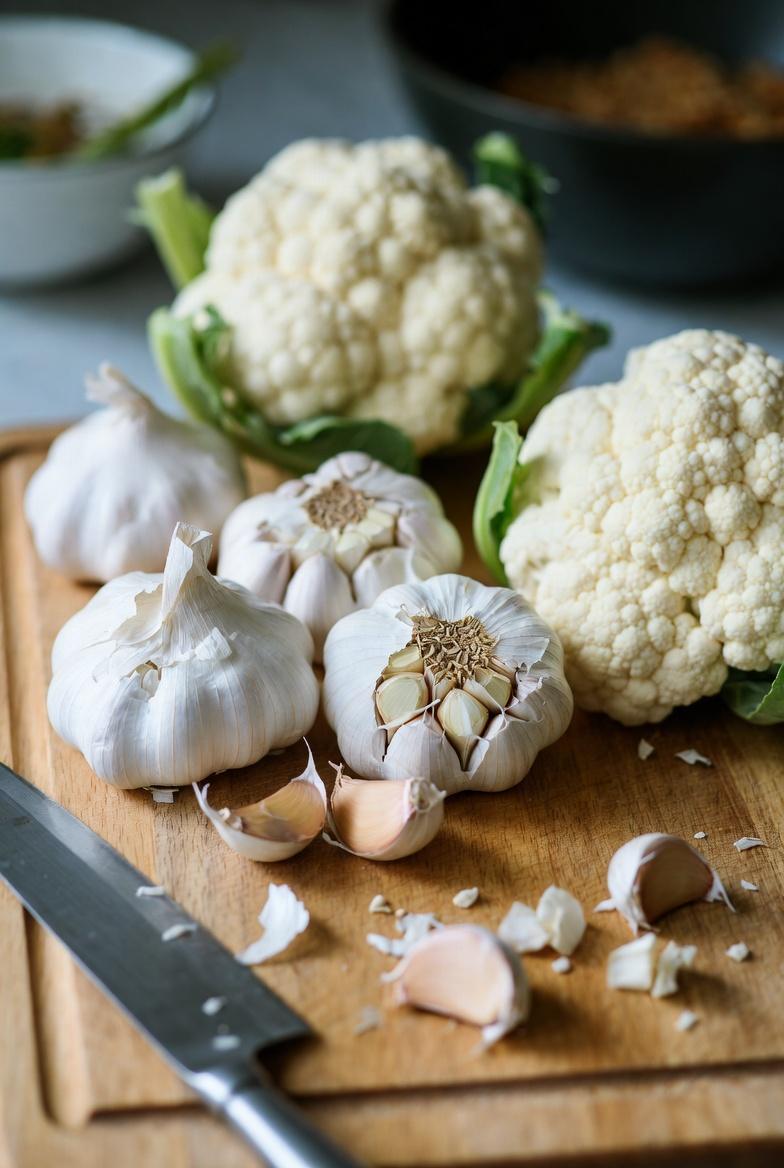
1. Garlic: A Flavorful Ally for Everyday Meals
Garlic is more than just a tasty addition to your cooking—it’s often highlighted in kidney-friendly diets for its potential to add flavor without extra salt.
Studies indicate that garlic contains sulfur compounds with anti-inflammatory properties, which may help reduce oxidative stress. Some research in animal models and limited human observations suggests it could support better blood pressure management and circulation, indirectly benefiting kidney workload. Plus, it’s naturally low in potassium and phosphorus when used fresh.
How to add it safely:
- Use 1-2 fresh cloves minced into stir-fries, soups, or roasted vegetables.
- Try garlic powder as a salt substitute for seasoning.
- Start small to avoid digestive discomfort.
But that’s not the only standout—keep reading for more options that pair perfectly with garlic.
2. Cauliflower: Versatile and Gentle on the Kidneys
Cauliflower stands out as one of the most recommended vegetables for kidney support, thanks to its low potassium and phosphorus content.
A half-cup serving of boiled cauliflower provides plenty of vitamin C and fiber while being easy on the system. Its mild flavor makes it a great base for mashed “potatoes” or rice alternatives, helping you enjoy comfort foods without excess minerals.
Simple ways to incorporate it:
- Steam or roast with a touch of olive oil and herbs.
- Blend into soups for creaminess without dairy.
- Use as a low-carb substitute in your favorite recipes.
Many kidney diet resources from organizations like DaVita and the National Kidney Foundation list cauliflower as a top choice for its nutrient profile.
3. Red Bell Peppers: Colorful and Nutrient-Packed
Red bell peppers are another superstar in kidney-friendly eating—they’re low in potassium compared to other veggies and packed with antioxidants like vitamin C.
These vibrant peppers add sweetness and crunch to meals, helping you boost intake of protective compounds without overloading on minerals that can strain kidneys.
Easy incorporation tips:
- Slice raw into salads or stuff with lean protein.
- Grill or sauté as a side dish.
- Add to omelets or stir-fries for extra flavor.
Their bright color not only makes meals appealing but also signals beneficial phytonutrients.
Here are a few quick benefits at a glance:
- Low sodium and phosphorus
- High in vitamin C for immune support
- Adds variety without excess potassium
4. Apples: A Simple, Everyday Fruit for Fiber
Apples are frequently recommended for their fiber content and low potassium levels, making them a smart snack choice.
The soluble fiber in apples (especially the skin) may aid digestion and help the body process waste more efficiently. Many people find that including one apple a day fits easily into a balanced plan.
Practical ways to enjoy them:
- Eat fresh with the skin on for maximum fiber.
- Slice into oatmeal or yogurt (choose low-phosphorus options).
- Bake with cinnamon for a warm treat.
Research linking higher fiber intake to better kidney markers supports this gentle habit.
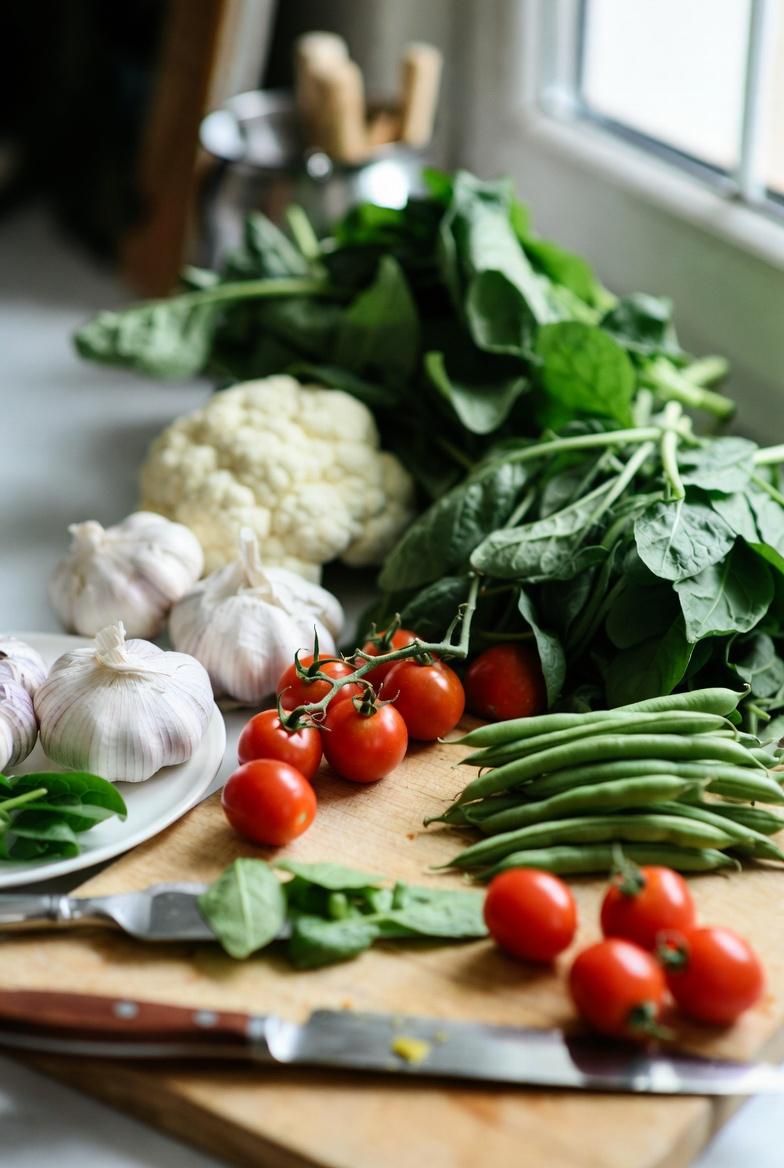
5. Cabbage: Budget-Friendly and Surprisingly Supportive
Cabbage often gets overlooked, but it’s one of the best low-potassium vegetables available.
It’s rich in phytochemicals that help combat free radicals, and its affordability makes it easy to include regularly. A half-cup serving is gentle and versatile.
How to use it daily:
- Shred into slaws or salads.
- Stir-fry with garlic for a quick side.
- Add to soups for bulk without heavy calories.
This humble veggie rounds out a solid top-five list that emphasizes variety and ease.
Actionable Tips to Get Started Today
Ready to try these? Here’s a simple step-by-step plan:
- Start with one change — Add garlic to your next meal instead of salt.
- Prep easy sides — Roast cauliflower and red bell peppers together once a week.
- Snack smart — Keep apples and cabbage on hand for quick bites.
- Track how you feel — Note energy levels after a few days of incorporating these.
- Stay hydrated — Pair these foods with adequate water (as advised by your doctor).
These small swaps can make a noticeable difference in how you feel, while supporting your overall routine.
Conclusion: Small Steps for Long-Term Kidney Support
Incorporating these five kidney-friendly foods—garlic, cauliflower, red bell peppers, apples, and cabbage—into your daily meals offers a practical way to focus on nutrition that may help maintain healthy creatinine levels and kidney function. Remember, diet is just one piece of the puzzle; combine it with regular check-ups, exercise, and medical guidance for the best results. Your kidneys do amazing work—giving them supportive foods is a caring step forward.
FAQ
What foods should I limit if I have high creatinine? It’s often helpful to reduce high-protein animal foods, processed items high in sodium, and certain high-potassium fruits/veggies (like bananas or potatoes), but always follow personalized advice from your healthcare provider.
Can these foods replace medical treatment? No, these are supportive dietary choices only. They complement—not replace—any prescribed treatments or medications for kidney health.
How quickly might I notice changes from better eating habits? Some people feel more energized within days to weeks, but lab improvements vary. Consistency over months, along with medical monitoring, is key.
Disclaimer: This article is for informational purposes only and is not intended as medical advice. Always consult your doctor or a registered dietitian before making dietary changes, especially if you have kidney disease or are on any medications. Individual needs vary based on your stage of kidney health.


