
Many adults notice changes in energy levels or receive routine blood test results showing creatinine numbers they’d rather not see. These moments can bring quiet worry about what’s happening inside the body, especially when fatigue or mild swelling starts to feel more noticeable. The good news is that simple dietary choices, like adding certain vegetables to daily meals, may offer gentle support for kidney health. Keep reading to discover five everyday options backed by research—and a surprising tip at the end that ties everything together.

Why Creatinine and GFR Matter for Everyday Wellness
Creatinine is a natural waste product from muscle activity that healthy kidneys filter into urine. GFR, or glomerular filtration rate, shows how well the kidneys are performing this filtering job.
When these numbers move outside the normal range, it often reflects extra stress from factors like blood pressure, blood sugar fluctuations, or inflammation. Research shows that plant-based foods rich in antioxidants and anti-inflammatory compounds may help ease some of this stress.
The best part? Small, consistent food choices can make a meaningful difference over time.
How Certain Vegetables May Offer Natural Support
Studies suggest that specific vegetables contain compounds that act as mild diuretics, reduce oxidative stress, and support better blood flow to the kidneys.
These effects come from natural plant chemicals like flavonoids, polyphenols, and antioxidants. Adding them regularly could complement a kidney-friendly lifestyle.
But which ones stand out most? Let’s look at the top five.
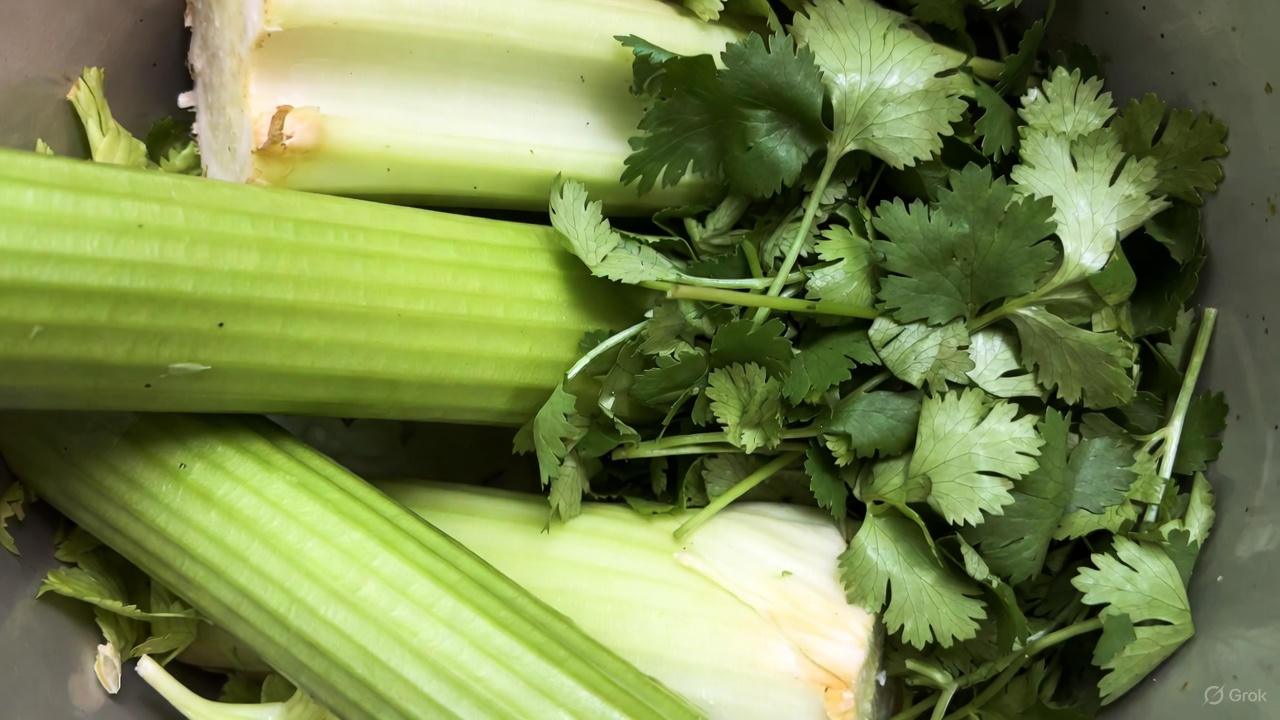
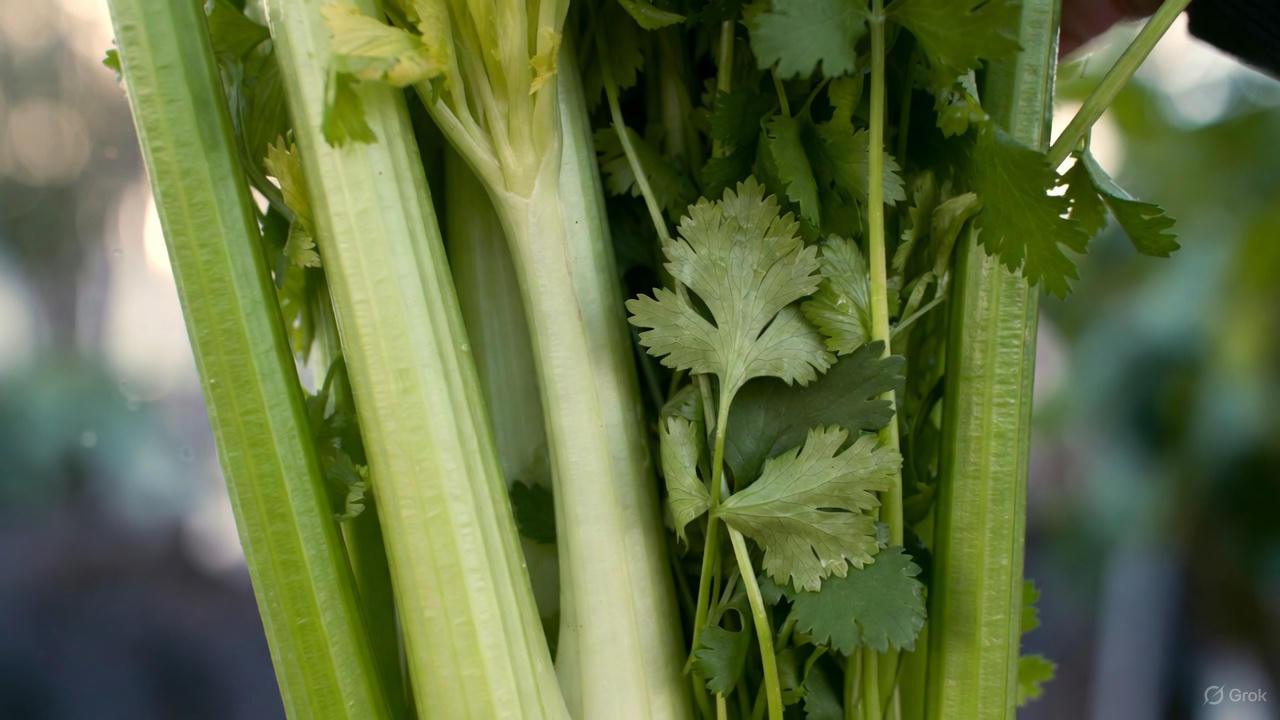
1. Celery: A Crunchy Ally for Fluid Balance
Celery is mostly water, which helps with hydration, and it contains compounds called phthalides that may relax blood vessels.
A study published in the Journal of Medicinal Food noted celery’s apigenin and luteolin for their potential to calm inflammation. This could indirectly support healthy blood pressure, a key factor in kidney wellness.
How to add it easily:
- Chop stalks into salads or soups
- Blend 2–3 stalks with apple and cucumber for a refreshing juice
- Snack on sticks with a light dip 3–4 times per week
Fresh celery offers the most benefits, so keep portions moderate if you monitor sodium intake.
2. Bitter Melon: The Bitter Taste with Sweet Potential
Bitter melon has earned attention for its role in blood sugar stability thanks to compounds like charantin and polypeptide-p.
Stable blood sugar is important because high levels can strain delicate kidney vessels over time. A review in Pharmacognosy Reviews highlighted its antioxidant properties.
Many people soften the bitterness by cooking it with spices or lean protein.
Simple ways to enjoy:
- Stir-fry slices with garlic and ginger
- Add to clear soups or curries
- Start with small portions 3 times per week to adjust to the flavor
This is the part most readers find surprising—once you get used to it, the taste grows on you.
3. Cilantro: More Than Just a Garnish
Fresh cilantro leaves contain natural compounds that may help the body eliminate certain toxins and reduce uric acid buildup.
Research in the Journal of Ethnopharmacology explored cilantro’s protective effects on kidney tissue in animal studies.
Its bright flavor makes it easy to add generously to meals.
Quick ideas:
- Sprinkle chopped leaves over salads, tacos, or rice bowls
- Brew a handful in hot water for a simple tea (strain and sip warm)
- Use in salsas or pestos several times per week
A little goes a long way toward fresh flavor and potential benefits.
4. Gotu Kola: The Traditional Herb Gaining Modern Attention
Gotu kola (Centella asiatica) has been used in Asian traditions for centuries and contains asiaticosides that support tissue repair.
Recent studies in Phytotherapy Research point to its antioxidant activity and ability to ease fluid retention.
It’s available fresh in some markets or as dried leaves for tea.
Easy incorporation tips:
- Blend fresh leaves with coconut water and a touch of honey
- Steep dried leaves for a calming herbal drink
- Use 2–3 times weekly, with short breaks for balance
Many find its mild taste quite pleasant compared to stronger herbs.
5. Fish Mint: The Unique Leaf with Detox Reputation
Fish mint (Houttuynia cordata) has a distinctive aroma and is prized in Southeast Asian cuisine for its quercetin content.
Animal research suggests it may help reduce inflammation and support detoxification pathways important for kidney health.
The flavor is bold, so pairing it wisely helps.
Practical ways to try:
- Add a few fresh leaves to salads or spring rolls
- Brew as tea with ginger to balance the taste
- Use sparingly 2–3 times per week at first
This lesser-known vegetable often becomes a favorite once people discover creative recipes.
Comparison Table: Key Benefits at a Glance
| Vegetable | Main Natural Compounds | Potential Support Area | Ease of Daily Use | Suggested Frequency |
|---|---|---|---|---|
| Celery | Phthalides, apigenin | Fluid balance, blood pressure support | Very easy | 3–4 times/week |
| Bitter Melon | Charantin, polypeptide-p | Blood sugar stability | Moderate | 3 times/week |
| Cilantro | Flavonoids, chelating agents | Toxin elimination, uric acid balance | Very easy | Several times/week |
| Gotu Kola | Asiaticosides | Tissue repair, fluid balance | Moderate | 2–3 times/week |
| Fish Mint | Quercetin, flavonoids | Inflammation reduction, detox pathways | Moderate | 2–3 times/week |
Simple Tips to Get Started Today
Start with just one or two vegetables that appeal most to you.
Combine them thoughtfully:
- Celery + cilantro juice in the morning
- Bitter melon stir-fry for dinner
- Gotu kola tea in the evening
Stay well hydrated, as water helps every process work better.
Track how you feel over a few weeks and discuss any dietary changes with your healthcare provider.
Real Stories of Dietary Changes
Many people report feeling more energetic after adding these vegetables consistently.
One reader shared that regular celery and cilantro helped reduce morning puffiness. Another found bitter melon dishes supported steadier energy throughout the day.
Individual results vary, but the common theme is gentle, sustainable habits.
Here’s the surprise tip promised earlier: rotating all five vegetables throughout the week may provide broader plant compound exposure than relying on just one.
Conclusion: Small Choices, Meaningful Support
Incorporating these five vegetables into meals offers a practical way to include more anti-inflammatory and antioxidant-rich foods.
Combined with balanced hydration, regular movement, and routine check-ups, they can become part of a proactive approach to wellness.
Choose one to try this week—you might be pleasantly surprised by both the flavor and how you feel.
Frequently Asked Questions
Can eating these vegetables replace medical advice?
No. They are foods that may offer nutritional support, but always consult your doctor for personalized guidance.
How soon might someone notice changes?
Everyone is different. Some report better energy within weeks when combined with other healthy habits, while lab markers typically take months to reflect dietary shifts.
Are there any vegetables to limit for kidney concerns?
Some high-potassium or high-oxalate foods may need moderation depending on individual lab results—discuss portions with a healthcare professional.
This article is for informational purposes only and is not intended to diagnose, treat, or cure any condition. Always speak with your healthcare provider before making significant dietary changes, especially if you have existing kidney concerns.


