
Many people experience moments of fatigue or discomfort after long periods of sitting, wondering if there’s a simple way to feel more energized and comfortable throughout the day. Factors like inactivity or dehydration can sometimes affect how smoothly blood moves through the body, leading to feelings of heaviness or concern about overall vascular health. The good news is that certain everyday fruits contain natural compounds that research suggests may help promote better circulation and support the body’s normal processes for maintaining healthy blood flow.
These fruits are packed with flavonoids, antioxidants, and other bioactive elements that studies indicate could play a role in supporting vascular function. But here’s the intriguing part: the standout ones might already be in your kitchen, and discovering how to incorporate them could make a noticeable difference. Keep reading to uncover the top eight and practical ways to add them to your routine.

Why Maintaining Healthy Blood Flow Matters
Blood circulation is essential for delivering oxygen and nutrients throughout the body. When circulation is optimal, you feel more energetic and resilient. However, lifestyle factors can sometimes challenge this natural process.
Research shows that a diet rich in fruits and vegetables is associated with better cardiovascular health. Specific compounds in fruits, like flavonoids and enzymes, have been studied for their potential to support endothelial function—the inner lining of blood vessels—and promote normal platelet activity. Studies, including reviews in journals like Nutrients, highlight how these natural elements may contribute to overall vascular wellness.
The key is prevention through consistent habits. Could adding more colorful fruits to your plate be a gentle step toward feeling lighter on your feet? Let’s explore the evidence behind eight promising options.
What Makes These Fruits Standout for Circulation Support?
Fruits offer a mix of antioxidants, vitamins, and unique compounds that lab and animal studies suggest may help maintain vessel flexibility, reduce oxidative stress, and support balanced platelet function. For instance, flavonoids are known for their potential to enhance nitric oxide production, which helps vessels relax.
Human trials and observational data, such as those linking berry consumption to improved vascular markers, provide encouraging insights. While no fruit replaces medical advice, incorporating variety could complement a heart-healthy lifestyle. Here’s the countdown of eight fruits backed by promising research.

8. Grapes: Rich in Resveratrol for Vessel Support
Grapes, especially red and purple varieties, contain resveratrol—a compound studied for its potential to promote vessel relaxation and normal platelet activity. A review of polyphenol effects noted improvements in endothelial function with regular intake.
Enjoy a handful as a snack; the juicy burst can be a refreshing midday boost.
7. Cherries: Packed with Anthocyanins for Reduced Inflammation
Tart cherries stand out for their anthocyanins, antioxidants linked in studies to lower inflammation markers and better vascular health. Rodent research and human reviews suggest these compounds may support smoother blood flow.
Add them to yogurt or smoothies—the tangy flavor adds a delightful twist.
6. Apples: Source of Rutin for Capillary Strength
Apples, particularly with skin, provide rutin, a flavonoid researched for strengthening capillaries and supporting circulation. Animal models and flavonoid studies indicate potential benefits for vessel integrity.
Slice one with nut butter for a satisfying, crunchy option.
5. Oranges: High in Hesperidin and Vitamin C
Oranges deliver hesperidin and vitamin C, compounds associated in trials with reduced platelet activation and enhanced circulation. Citrus flavonoid research shows promising effects on vascular markers.
Fresh-squeezed juice or segments make a bright, energizing choice.
4. Kiwifruit: Contains Actinidin for Protein Breakdown Support
Green kiwifruit features actinidin, an enzyme with fibrinolytic properties in lab studies, potentially aiding the body’s natural clot-dissolving processes. Research highlights its role in digestion and vascular support.
Include in fruit salads—the sweet-tart taste is uniquely refreshing.
3. Lemons: Flavonoid-Rich for Overall Vessel Health
Lemons offer limonoids and flavonoids that studies link to improved circulation and reduced oxidative stress. Flavonoid-rich diets are associated with lower vascular risks.
Add slices to water for a zesty, hydrating infusion.
2. Grapefruit: Naringin for Platelet Balance
Grapefruit contains naringin, studied in rodent models for potential antithrombotic effects and vessel dilation support.
Halve one for breakfast—the citrus notes pair well with a light drizzle.
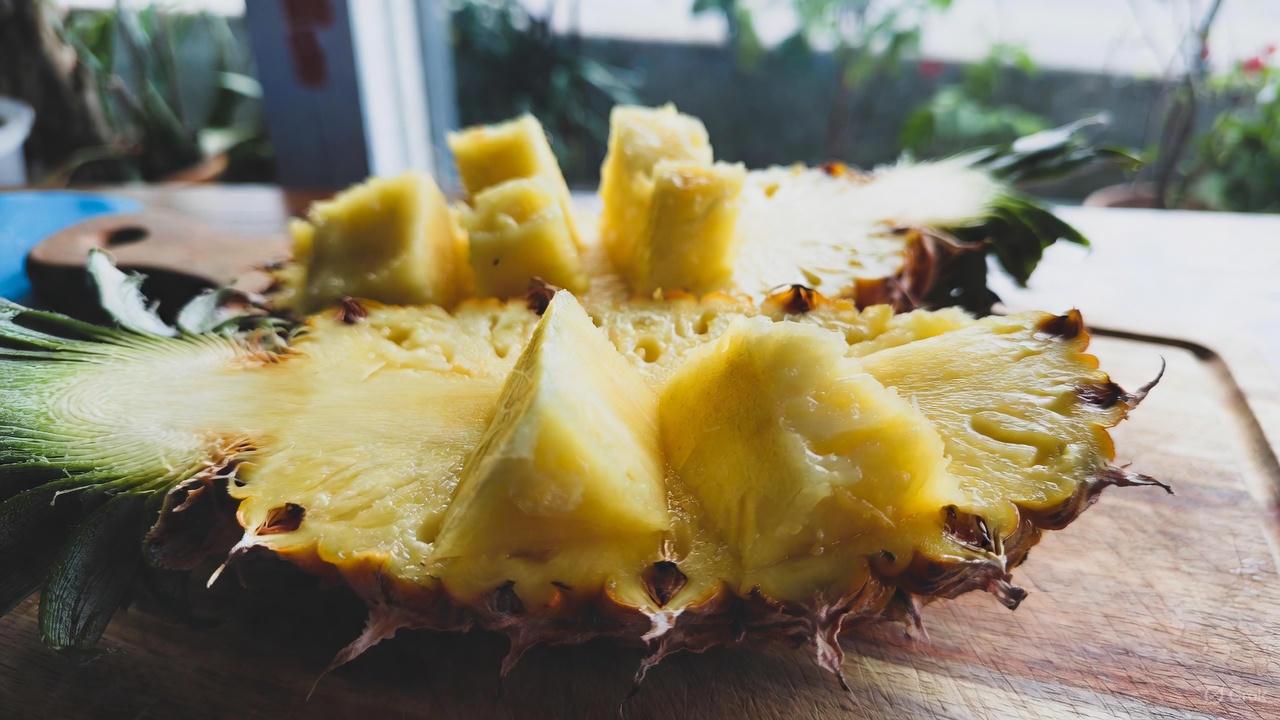
1. Pineapple: Home to Bromelain for Fibrin Support
Fresh pineapple is renowned for bromelain, an enzyme with fibrinolytic activity in early trials and reviews, potentially aiding natural breakdown processes.
Cut into spears for a tropical, enzyme-rich treat.
| Fruit | Key Compound | Potential Benefit Supported by Research | Daily Serving Idea |
|---|---|---|---|
| Grapes | Resveratrol | Vessel relaxation and endothelial support | Handful as snack |
| Cherries | Anthocyanins | Reduced inflammation and vascular health | Smoothie add-in |
| Apples | Rutin | Capillary strength | Sliced with nut butter |
| Oranges | Hesperidin | Platelet balance and circulation | Fresh juice |
| Kiwifruit | Actinidin | Fibrin breakdown support | Morning fruit salad |
| Lemons | Limonoids | Circulation enhancement | Infused water |
| Grapefruit | Naringin | Platelet aggregation support | Halved at breakfast |
| Pineapple | Bromelain | Fibrinolytic activity | Spears post-meal |
Simple Steps to Incorporate These Fruits Daily
Starting small makes it sustainable. Begin with one fruit, like an orange in the morning, and build from there.
- Assess Your Routine: Note how you feel after meals or activity.
- Add Gradually: Introduce one new fruit per week.
- Rotate for Variety: Aim for 2-3 servings daily to gain broad nutrients.
- Pair Smartly: Combine with hydration for enhanced effects.
- Track Changes: Observe energy levels over time.
Research recommends flavonoid-rich diets for vascular benefits, but balance is key.
| Step | How-To | Safety Note |
|---|---|---|
| Start Small | Add one fruit daily | Monitor for any digestive changes |
| Build Variety | Weekly rotation | Consult if on medications |
| Pair Wisely | With water or greens | Stay hydrated |
| Long-Term Habit | Aim for consistent servings | Professional guidance essential |
Empowering Your Daily Vitality
Imagine starting your day with renewed lightness and sustained energy from simple fruit choices. These eight options—backed by studies on their compounds—offer a natural way to support circulation.
Rotate them into meals, stay active, and hydrate well. Small, consistent swaps can add up.
Frequently Asked Questions
Can these fruits replace blood-thinning medications?
No, they support healthy habits but are not substitutes. Always follow your doctor’s advice.
How many servings should I aim for?
Research suggests 2-3 fruit servings daily, varied for best nutrient exposure.
Are there interactions to watch for?
Some, like grapefruit, may affect certain medications. Consult a healthcare provider.
This article is for informational purposes only and is not a substitute for professional medical advice. Readers are encouraged to consult their healthcare provider for personalized guidance.


