
Many people over 60 experience occasional cold hands or feet, or feel more tired after everyday activities. These subtle shifts can relate to natural changes in blood vessel flexibility and flow that happen with time. It’s common, and while it can feel limiting, small dietary habits—like choosing certain nutrient-rich oils—may offer supportive benefits.
Research points to healthy fats in specific oils playing a role in maintaining vessel health and reducing inflammation. But not all oils are the same. Here’s a closer look at three standout options backed by studies—and why one often emerges as a favorite for everyday use.
Why Circulation and Artery Flexibility Can Change Over Time
Arteries help deliver oxygen-rich blood throughout the body, staying flexible to support smooth flow. As years pass, factors like oxidative stress can affect this elasticity.
Studies show that after 60, vessel stiffness may increase gradually, often linked to lifestyle and aging. You might notice it in cooler extremities or quicker fatigue during walks. The good news? Certain fats, especially monounsaturated and omega-3 types, have been associated in research with supporting endothelial function—the inner lining of blood vessels—and easing inflammation.
Swapping in the right oils could provide gentle, natural support. Here’s how three evidence-based choices stack up.
Three Natural Oils That Research Suggests May Support Vessel Health
#3: Fish Oil (Rich in Omega-3s)
Fish oil from sources like salmon or supplements delivers EPA and DHA, key omega-3 fatty acids.
Clinical trials and reviews indicate these may help reduce inflammatory markers, support vessel flexibility, and promote better circulation. Mechanisms include lowering triglycerides and easing oxidative stress on vessel walls.
Many find it helpful for daily energy, especially in capsule form. But the next option offers everyday versatility.
#2: Avocado Oil
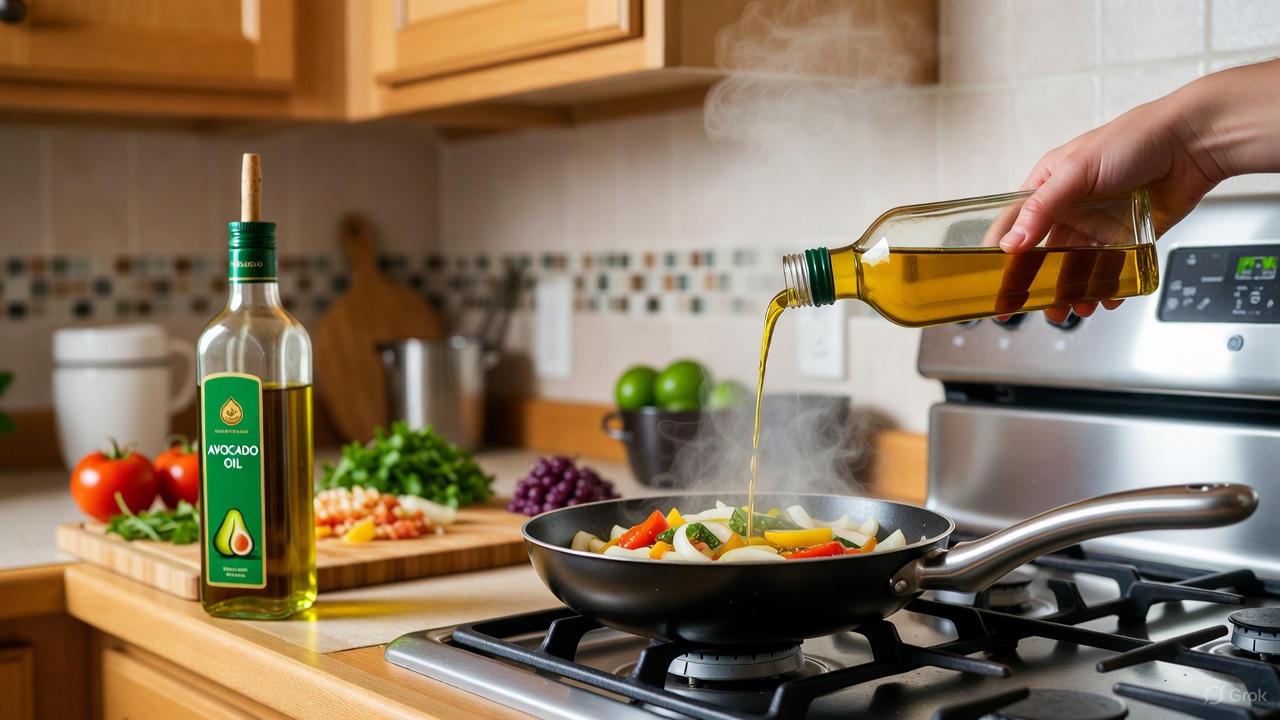
Avocado oil brings a mild flavor and high smoke point, perfect for cooking.
It’s packed with monounsaturated fats and vitamin E. Human studies and cohorts link higher intake to supportive lipid profiles and reduced oxidative stress, potentially benefiting overall circulation.
Prospective research suggests replacing less healthy fats with avocado sources may align with lower cardiovascular risks. Yet one classic option has the most extensive backing.
#1: Extra Virgin Olive Oil
Extra virgin olive oil (EVOO) stands out with its rich polyphenols and oleic acid.
Large trials like PREDIMED and meta-analyses show regular use may support endothelial function, reduce oxidative damage, and contribute to healthier vessel flexibility. Polyphenols act as antioxidants, while monounsaturated fats help balance inflammation.
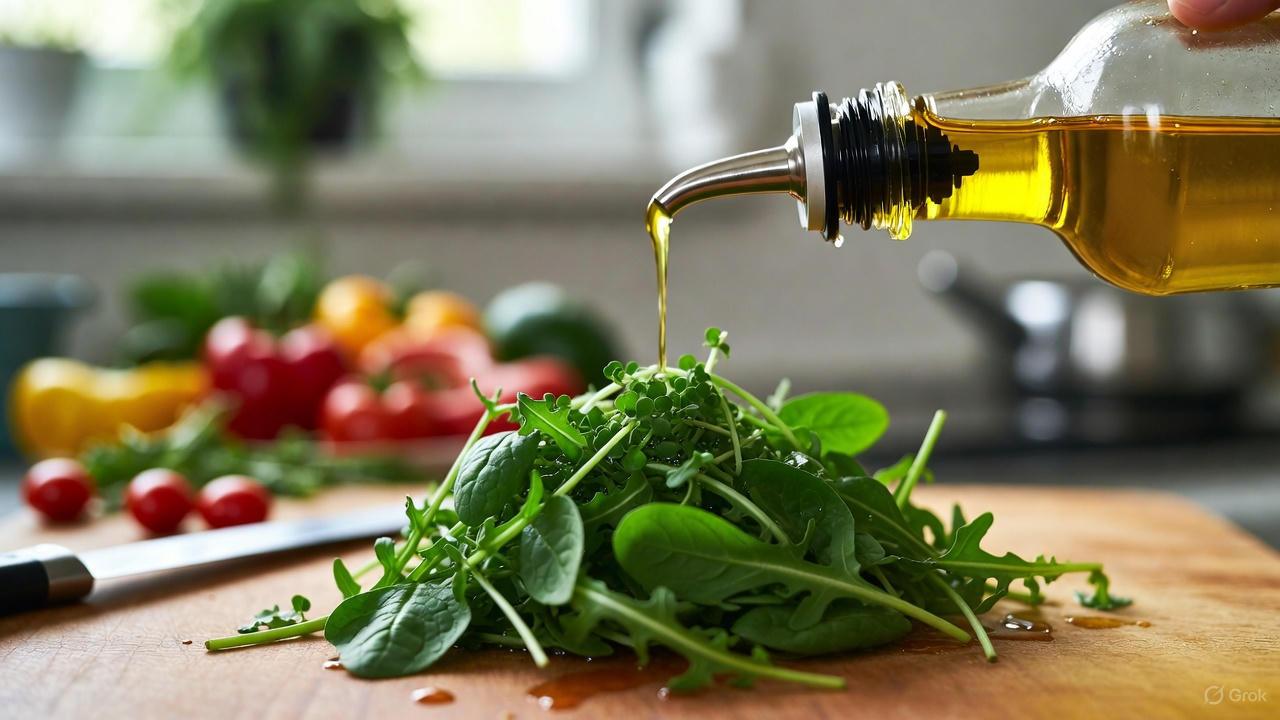
It’s easy to drizzle on salads or use in low-heat cooking—preserving those beneficial compounds.
Quick Comparison of These Oils
Here’s a simple overview of their key features based on current evidence:
| Oil | Main Components | Potential Research-Backed Benefits | Best Everyday Uses |
|---|---|---|---|
| Extra Virgin Olive Oil | Oleic acid, polyphenols | Antioxidant support, endothelial function | Drizzling, low-heat cooking, dressings |
| Avocado Oil | Monounsaturated fats, vitamin E | Lipid balance, reduced oxidative stress | High-heat cooking, sautéing |
| Fish Oil | EPA & DHA omega-3s | Inflammation reduction, vessel flexibility | Supplements or fatty fish |
These strengths make them popular choices for supportive habits.
Practical Ways to Add These Oils to Your Routine
Starting small makes it sustainable. Here’s a step-by-step guide:
- Pick quality sources: Choose extra virgin olive oil (cold-pressed), pure avocado oil, or third-party tested fish oil supplements.
- Begin modestly: Try 1-2 tablespoons of olive or avocado oil daily, or 1 gram of omega-3s from fish oil.
- Incorporate with meals: Absorption improves alongside food—perhaps olive oil on veggies or fish oil with dinner.
- Simple ideas: Drizzle EVOO on salads, use avocado oil for roasting, or take a fish oil capsule.
- Stay consistent: Pair with balanced meals for the best potential.
- Store properly: Keep oils cool and dark to maintain freshness.
But that’s not all—combining them thoughtfully can enhance enjoyment.
Tips to Pair for Extra Support
Research suggests complementary foods may boost benefits:
- Mix garlic into olive oil dressings for added compounds.
- Use avocado oil with nuts or seeds for layered healthy fats.
- Add lemon to fatty fish for better omega-3 uptake.
Individual experiences vary, but many report feeling more energized with regular use.
Frequently Asked Questions
- How much of these oils might be reasonable daily?
Studies often look at 1-2 tablespoons of olive or avocado oil, or 1-2 grams of omega-3s from fish oil. Start low and see what feels right.
- Are there plant-based options besides fish oil?
Algal oil provides EPA/DHA from algae, though marine sources have the most research.
- Can these oils interact with medications?
Fish oil may have mild effects on blood thinning—check with your doctor if on related meds.
This information is for educational purposes only and not medical advice. Consult your healthcare provider for personalized recommendations, especially with existing conditions.


