
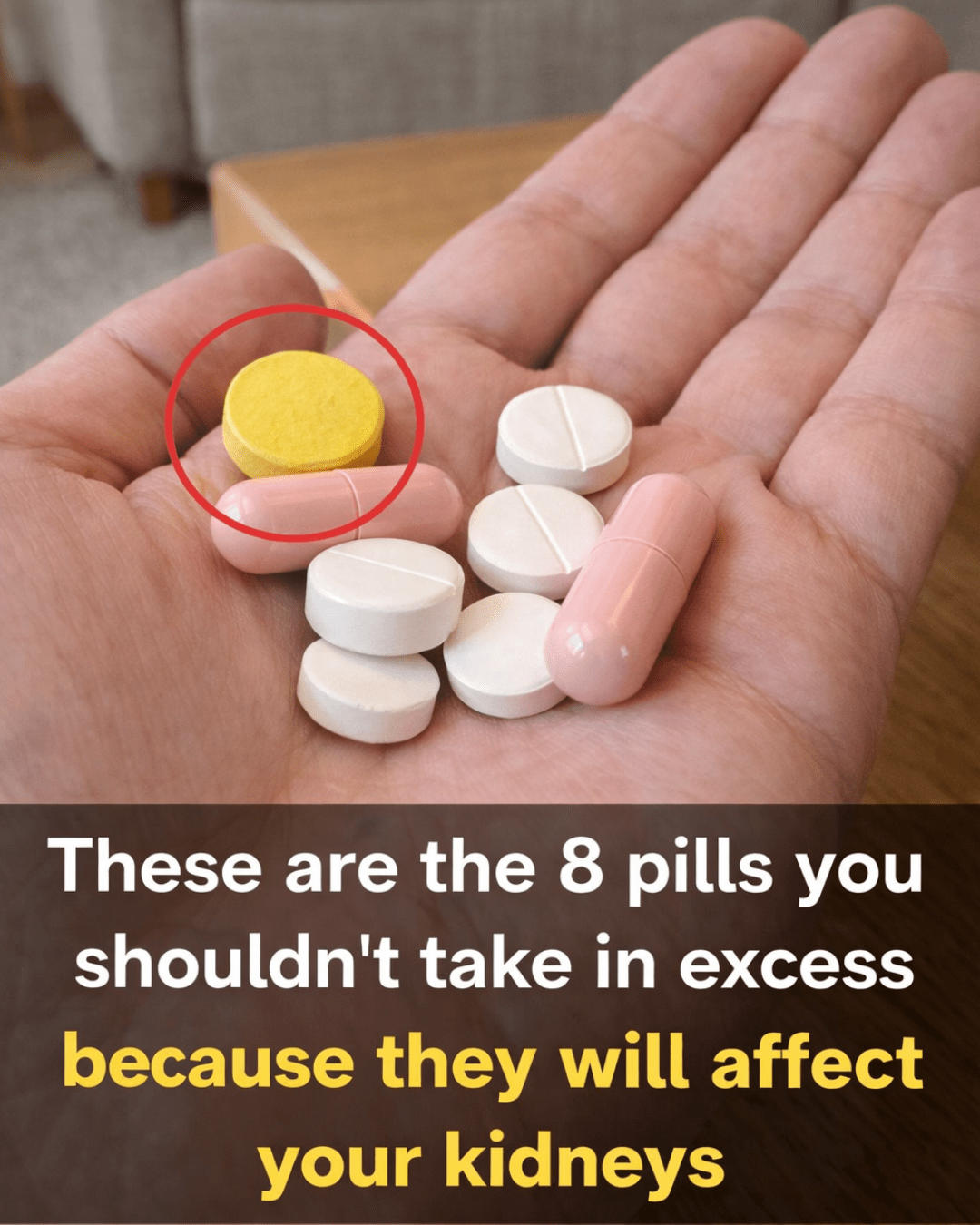
Many people rely on medications to manage everyday health issues, from pain relief to blood pressure control, without fully considering their long-term effects. Yet, when taken in higher doses or for extended periods, some of these drugs can place extra strain on the kidneys, the vital organs responsible for filtering waste from the blood. This added burden might lead to complications over time, especially for those with existing health conditions or who combine multiple medications. But don’t worry—by learning more about these common pills and how to use them wisely, you can take proactive steps to support your kidney function. Stick around, because later I’ll reveal why these medications are still widely available despite the risks.
What Makes Kidneys Vulnerable to Medications?
Your kidneys work tirelessly, processing about 200 quarts of blood daily to remove toxins and maintain balance in your body. But certain medications can interfere with this process.
The truth is, not all drugs are created equal when it comes to kidney impact. Some alter blood flow to the kidneys, while others cause inflammation or buildup of harmful substances. Research from health organizations like the National Kidney Foundation highlights how overuse can contribute to issues like reduced filtration efficiency.
But that’s not all—factors like age, dehydration, or pre-existing conditions can amplify these effects. Let’s dive into the specifics.
1. ACE Inhibitors and ARBs: Balancing Blood Pressure with Caution
ACE inhibitors, such as lisinopril or ramipril, and ARBs like losartan or olmesartan, are often prescribed for high blood pressure or heart conditions. They work by relaxing blood vessels to improve flow.
However, when taken in excess or combined with other drugs like NSAIDs or diuretics, they might reduce blood supply to the kidneys, potentially leading to acute kidney injury. Studies, including those reviewed by Verywell Health, show this risk increases during dehydration.
Here’s a quick tip: Always stay hydrated and monitor your blood pressure regularly if you’re on these.
But wait, there’s more to consider with everyday pain relievers.

2. Diuretics: Managing Fluid but Monitoring Dosage
Diuretics, including loop types like furosemide or thiazides such as hydrochlorothiazide, help eliminate excess fluid in conditions like heart failure or edema.
Excess use can dehydrate the body, decreasing blood flow to the kidneys and risking damage. According to medical reviews, this is especially concerning for those with high blood pressure.
To stay safe:
- Track your fluid intake daily.
- Get regular kidney function tests from your doctor.
- Avoid combining with caffeine or alcohol, which can worsen dehydration.
Sustainability is key here. Now, let’s talk about antibiotics.
3. Certain Antibiotics: Fighting Infections Without Overdoing It
Antibiotics like gentamicin, ciprofloxacin, or vancomycin treat bacterial infections effectively.
But in high doses, they can harm kidney structures, causing inflammation or blockages. Research indicates that aminoglycosides, for instance, are particularly noted for this in prolonged use.
The interesting part? Many people don’t realize short courses are usually safe, but excess from self-medication raises flags.
Actionable steps include:
- Finish only the prescribed course.
- Inform your doctor about any kidney history before starting.
- Drink plenty of water to help flush the system.
Moving on, heartburn meds deserve attention too.
4. Proton Pump Inhibitors (PPIs): Easing Digestion Mindfully
PPIs such as omeprazole (Prilosec) or esomeprazole (Nexium) reduce stomach acid for ulcers or reflux.
Overuse has been linked to kidney inflammation or chronic issues, per studies from sources like the American Journal of Kidney Diseases.
Why does this happen? They might trigger immune responses affecting kidney tissues.
But here’s the good news: Switching to lifestyle changes can reduce reliance.
Try these habits:
- Eat smaller meals.
- Avoid trigger foods like spicy items.
- Elevate your head while sleeping.
That said, painkillers are a common culprit.

5. Nonsteroidal Anti-Inflammatory Drugs (NSAIDs): Relieving Pain Responsibly
NSAIDs, including ibuprofen (Advil), naproxen (Aleve), or aspirin, are go-to for pain and inflammation.
Excess intake can constrict kidney blood vessels, leading to reduced function over time. Daily use significantly raises risks, especially when mixed with other meds, as noted in health guidelines.
Surprisingly, many overlook alternatives like topical creams.
For better management:
- Use the lowest effective dose.
- Limit to short-term unless advised otherwise.
- Explore physical therapy for chronic pain.
Now, let’s shift to mental health stabilizers.
6. Lithium: Stabilizing Mood with Regular Checks
Lithium is a key medication for bipolar disorder, helping balance mood swings.
However, long-term or high-dose use can lead to kidney cysts or impaired concentration of urine, causing excessive thirst.
Studies from psychiatric journals emphasize monitoring blood levels to minimize this.
The key takeaway? Routine tests can catch issues early.
Incorporate these:
- Schedule quarterly check-ups.
- Maintain a consistent salt intake.
- Report any unusual symptoms promptly.
But what about HIV treatments?
7. Certain HIV Medications: Supporting Immunity Safely
Drugs like tenofovir or indinavir manage HIV by suppressing the virus.
Some older versions can damage kidney tubules, though newer ones like tenofovir alafenamide are safer.
Research from HIV-focused studies shows regular monitoring reduces risks.
Here’s why vigilance matters: Early adjustments can prevent progression.
Tips to follow:
- Adhere to prescribed regimens.
- Combine with a healthy diet.
- Discuss switches with your specialist.
Finally, transplant meds.
8. Calcineurin Inhibitors: Protecting Transplants Thoughtfully
Calcineurin inhibitors like cyclosporine or tacrolimus prevent organ rejection.
They can tighten blood vessels in the kidneys, leading to scarring if overused.
Long-term data indicates damage often appears within a decade.
But monitoring protocols help mitigate this.
Practical advice:
- Follow dosing instructions precisely.
- Attend all follow-up appointments.
- Balance with immunosuppressive alternatives if possible.
Why Are These Medications Still Sold Despite the Risks?
You might wonder: If these pills can affect kidneys, why are they still available? The answer lies in their benefits.
When used as directed under medical supervision, their advantages—like controlling blood pressure or fighting infections—often outweigh potential downsides. Regulatory bodies like the FDA approve them based on extensive trials showing safety in appropriate doses.
Plus, ongoing research leads to safer formulations. For instance, newer HIV drugs have reduced kidney impacts.
The real issue? Misuse or lack of awareness. That’s why education is crucial.
Comparing Risks and Benefits: A Quick Overview
To make this clearer, here’s a simple table comparing key aspects:
| Medication Type | Primary Use | Potential Kidney Effect | Mitigation Tip |
|---|---|---|---|
| ACE Inhibitors/ARBs | Blood pressure | Reduced blood flow | Stay hydrated |
| Diuretics | Fluid control | Dehydration | Monitor intake |
| Antibiotics | Infections | Inflammation | Short courses |
| PPIs | Heartburn | Chronic issues | Lifestyle changes |
| NSAIDs | Pain relief | Vessel constriction | Low doses |
| Lithium | Mood stabilization | Cysts | Regular tests |
| HIV Meds | Virus suppression | Tubule damage | Newer versions |
| Calcineurin Inhibitors | Transplant protection | Scarring | Precise dosing |
This breakdown helps visualize the balance.
Actionable Steps to Protect Your Kidneys
Ready to take control? Here are practical tips you can start today:
- Consult your doctor before starting any new medication.
- Get annual kidney function tests, especially if over 60.
- Keep a medication journal to track doses and interactions.
- Prioritize a kidney-friendly diet: low sodium, plenty of fruits and veggies.
- Exercise moderately to support overall circulation.
These small changes can make a big difference.
Wrapping It Up
In summary, while these 8 common medications serve important purposes, mindful use is essential to support kidney health. By understanding the risks and following guidelines, you can enjoy their benefits safely. Remember, knowledge empowers better choices.
Frequently Asked Questions
What signs might indicate medication-related kidney issues?
Common indicators include changes in urination, swelling in legs or ankles, fatigue, or nausea. Always consult a healthcare provider for assessment.
How can I check if my medications interact with each other?
Use online tools from reputable sites like Drugs.com or discuss with your pharmacist for a thorough review.
Are there natural alternatives to these medications?
Depending on the condition, options like herbal teas for digestion or yoga for stress might help, but they should complement, not replace, professional advice.
Disclaimer: This article is for informational purposes only and not a substitute for professional medical advice. Consult your healthcare provider for personalized guidance.


