
Many of us pop pills for headaches, heartburn, or high blood pressure without thinking twice, relying on them to ease daily discomforts. Yet, these routine medications can sometimes strain our kidneys, the vital organs that filter waste from our blood, leading to unexpected health concerns if not monitored. This added worry can make managing everyday ailments feel overwhelming, especially when self-medicating seems like a quick fix but might amplify the risks over time. But here’s the intriguing part: by the end of this article, you’ll learn a simple strategy that could help safeguard your kidney health without overhauling your routine.
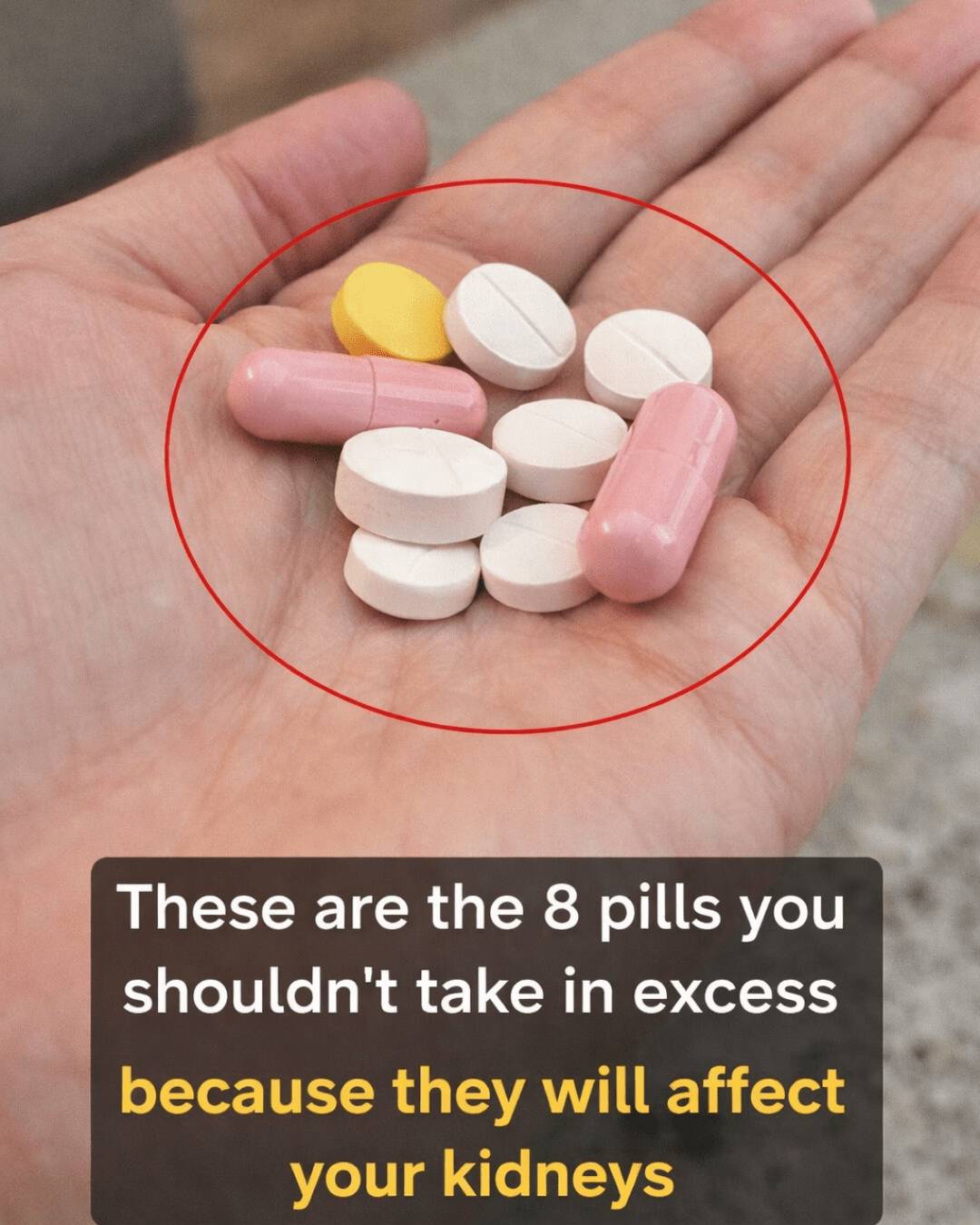
What Makes Kidneys Vulnerable to Medications?
Our kidneys work tirelessly to process everything we ingest, including medications. When we take drugs in excess or without guidance, they can build up and cause inflammation or reduced function. Research from organizations like the National Kidney Foundation highlights how certain compounds in pills can disrupt this delicate balance.
But that’s not all. Factors like age, existing health conditions, or dehydration can heighten these effects, turning a helpful remedy into a potential hazard. Let’s dive deeper into the specifics.
The 8 Medications to Watch Out For
Here, we’ll explore eight common types of medications that research indicates may impact kidney health when used improperly. Remember, this isn’t about avoiding them entirely but using them mindfully.
1. Non-Steroidal Anti-Inflammatory Drugs (NSAIDs)
NSAIDs like ibuprofen and naproxen are go-to options for pain relief. They work by reducing inflammation but can decrease blood flow to the kidneys. Studies show prolonged use might lead to acute kidney injury, especially in older adults.
Here’s the key: Always check labels and stay hydrated. If you have pre-existing conditions, consult a healthcare provider before regular use.
2. Certain Antibiotics
Antibiotics such as aminoglycosides (e.g., gentamicin) fight infections effectively. However, they can accumulate in kidney tissues, potentially causing damage if doses are too high or courses too long. The American Journal of Kidney Diseases notes this risk in hospital settings.
Sự thật là, not all antibiotics pose the same threat. Opt for alternatives when possible, and complete prescribed courses exactly as directed.
3. Diuretics
Often called “water pills,” diuretics like furosemide help manage fluid buildup in conditions like heart failure. They increase urine output, which can sometimes lead to electrolyte imbalances affecting kidneys. Research from the Mayo Clinic emphasizes monitoring in long-term users.
But wait, there’s more. Combining them with other meds amplifies risks, so regular blood tests are a smart step.
4. Proton Pump Inhibitors (PPIs)
PPIs such as omeprazole treat acid reflux by reducing stomach acid. Extended use has been linked in studies to interstitial nephritis, a form of kidney inflammation. The FDA has issued guidance on this for chronic users.
Đây là phần thú vị nhất: Lifestyle changes like diet adjustments can sometimes reduce reliance on them.
5. ACE Inhibitors
These blood pressure meds, including lisinopril, relax blood vessels. While beneficial, they can reduce kidney filtration in some people, particularly those with narrowed arteries. Clinical trials reported in the New England Journal of Medicine support cautious use.
Nhưng đó chưa phải là tất cả. Starting at low doses and monitoring creatinine levels helps mitigate issues.
6. Angiotensin Receptor Blockers (ARBs)
Similar to ACE inhibitors, ARBs like losartan control hypertension. They might cause hyperkalemia, which burdens kidneys. The National Institutes of Health recommends regular check-ups for users.
Sự thật là, they’re often well-tolerated, but self-adjusting doses is a no-go.
7. Contrast Dyes
Used in imaging tests like CT scans, these dyes enhance visibility but can cause contrast-induced nephropathy. The Radiological Society of North America advises hydration protocols to prevent this.
But here’s a tip: Discuss alternatives if you have kidney concerns before procedures.
8. Antiretroviral Medications
For HIV management, drugs like tenofovir can affect kidney tubules over time. Ongoing research from the World Health Organization tracks these effects to improve safety.
Đây là phần thú vị nhất: Newer formulations aim to minimize risks, so staying updated with your doctor is crucial.
Why Self-Medicating Increases the Danger
Self-medicating skips professional oversight, leading to incorrect dosages or harmful combinations. For instance, mixing NSAIDs with diuretics without advice can double the strain on kidneys.
Studies indicate that over-the-counter habits contribute to many avoidable hospital visits. Awareness is your first defense.
Practical Tips to Protect Your Kidney Health
Want actionable steps? Here’s a straightforward list to get started:
- Stay Hydrated: Drink plenty of water to help kidneys flush out toxins. Aim for 8 glasses a day unless advised otherwise.
- Read Labels Carefully: Check for warnings on over-the-counter meds and note active ingredients.
- Schedule Regular Check-Ups: Get kidney function tests if you’re on long-term medications.
- Track Your Intake: Use a journal or app to log what you take and when.
- Explore Alternatives: Ask about non-drug options like physical therapy for pain.
These habits can make a real difference without much effort.
Comparing Risks: A Quick Overview
To break it down visually, here’s a simple table comparing the medications:
| Medication Type | Common Examples | Potential Kidney Impact | Mitigation Tip |
|---|---|---|---|
| NSAIDs | Ibuprofen, Naproxen | Reduced blood flow | Use sparingly, hydrate |
| Antibiotics | Gentamicin | Tissue accumulation | Follow prescriptions |
| Diuretics | Furosemide | Electrolyte imbalance | Monitor with tests |
| PPIs | Omeprazole | Inflammation | Limit duration |
| ACE Inhibitors | Lisinopril | Filtration changes | Start low doses |
| ARBs | Losartan | Potassium buildup | Regular check-ups |
| Contrast Dyes | Imaging agents | Nephropathy | Pre-hydrate |
| Antiretrovirals | Tenofovir | Tubule damage | Use newer versions |
This overview helps spot patterns at a glance.

Building Better Habits for Long-Term Wellness
Incorporating these insights starts with small changes. For example, if you’re prone to headaches, try relaxation techniques before reaching for pills.
Research shows that informed choices lead to better outcomes. Empower yourself by discussing options with healthcare pros.
Wrapping It Up
In summary, being mindful of these eight medications—NSAIDs, certain antibiotics, diuretics, PPIs, ACE inhibitors, ARBs, contrast dyes, and antiretrovirals—can help you navigate health management safely. Avoiding self-medication by seeking professional advice is key to minimizing risks. Remember that small, consistent habits like staying hydrated and tracking your meds can go a long way.
Frequently Asked Questions
What are signs that medications might be affecting my kidneys?
Common indicators include changes in urine output, swelling in legs, or fatigue. However, these can stem from various causes, so consult a doctor for evaluation.
How can I safely manage pain without harming my kidneys?
Consider non-drug approaches like heat therapy or exercise. If meds are needed, discuss kidney-friendly options with a healthcare provider.
Are there natural ways to support kidney health?
Yes, a balanced diet low in sodium, regular physical activity, and adequate sleep can help. Always pair these with medical guidance for best results.
This article is for informational purposes only and is not intended as medical advice. Consult your healthcare provider for personalized recommendations.


