
Many women experience subtle shifts in their bodies as they age, but sometimes these changes can point to something more significant related to breast health. Ignoring them might mean missing an opportunity to address potential concerns early, when awareness and action can make a real difference in outcomes. The good news is that by becoming familiar with what to look for, you can empower yourself to take charge of your well-being. Stick around because at the end, I’ll reveal a surprising habit that research suggests could enhance your routine checks in ways you might not expect.
What Is Breast Cancer?
Breast cancer starts when cells in the breast grow out of control, forming a tumor that can often be seen on an x-ray or felt as a lump. It can affect anyone, though it’s more common in women. There are different types, like ductal carcinoma, which begins in the milk ducts, or lobular carcinoma, starting in the lobules where milk is produced.
But here’s the key: Not all breast changes are cancerous. Many are benign, like cysts or fibroadenomas, which are non-cancerous growths. Understanding the basics helps reduce fear and encourages proactive steps.
Research from organizations like the American Cancer Society shows that breast cancer is the second most common cancer among women in the United States, after skin cancer. Knowing this underscores why staying informed matters.
Why Early Awareness Matters
Early awareness can lead to earlier detection, which often means simpler management options and better prospects. When changes are noticed promptly, it allows for timely consultations with healthcare providers.
The truth is, many cases are found through routine screenings before any noticeable changes appear. But self-awareness plays a crucial role too. Studies indicate that women who are attuned to their bodies are more likely to report changes early.
According to the Centers for Disease Control and Prevention (CDC), regular mammograms can detect issues before symptoms develop, potentially saving lives. This highlights the value of combining personal vigilance with professional checks.
Common Early Signs to Watch For
Being aware of potential signs doesn’t mean self-diagnosing—it’s about knowing when to seek advice. Here are some key changes to monitor, based on reliable health sources.
A New Lump or Mass
One of the most reported changes is feeling a new lump in the breast or underarm area. It might feel hard and irregular, though some can be soft or tender.
Keep in mind: Not all lumps indicate cancer; many are harmless. But any new one warrants attention.
The American Cancer Society notes that a painless, hard mass with uneven edges is more likely to be concerning, but any lump should be checked.

7 Early Signs Of Breast Cancer You Shouldn’t Ignore | Fibohealth
Swelling or Thickening
You might notice part of the breast feeling thicker or swollen, even without a distinct lump. This could affect the whole breast or just one area.
Why does this happen? It can be due to fluid buildup or tissue changes. The CDC lists thickening as a warning sign that shouldn’t be overlooked.
But that’s not all—sometimes swelling extends to nearby lymph nodes under the arm.
Skin Changes Like Dimpling or Redness
Look for dimpling, where the skin puckers like an orange peel, or redness and flakiness around the nipple or breast.
These alterations can stem from underlying issues affecting the skin’s texture. Health experts from the American Cancer Society describe dimpling as a possible indicator.
Here’s something interesting: Redness might mimic an infection, so it’s easy to dismiss.

7 Early Signs of Breast Cancer in Women & Symptoms | BLK Max Hospital
Nipple Changes or Discharge
If the nipple turns inward (retraction) or you experience discharge that’s not breast milk—possibly bloody—that’s worth noting.
Pain in the nipple area can accompany this. The CDC emphasizes that any nipple discharge, especially if unusual, should prompt a visit to a doctor.
Changes in Breast Size or Shape
Any unexplained shift in the size or shape of one or both breasts could be a sign. This might be subtle, like asymmetry that wasn’t there before.
Research shows these changes can occur gradually, making regular checks essential.
Pain in the Breast
While breast cancer isn’t always painful, persistent pain in any area of the breast is something to discuss with a provider.
The American Cancer Society mentions that pain can be present in some cases.
To break it down, here’s a quick comparison table of normal versus potential concerning changes:
| Normal Breast Changes | Potential Concerning Changes |
|---|---|
| Lumpy feel due to menstrual cycle | New, persistent lump that doesn’t change with cycle |
| Temporary swelling from hormones | Unexplained swelling in one breast |
| Mild tenderness before periods | Constant pain not linked to cycle |
| Slight asymmetry (most breasts aren’t identical) | Sudden, noticeable change in shape |
This table can help visualize differences, drawing from general health guidelines.
How to Perform a Breast Self-Exam: Step-by-Step Guide
Empowering yourself starts with simple habits. Here’s how to do a self-exam, recommended monthly, ideally a few days after your period ends.
- Visual Check: Stand in front of a mirror with arms at sides. Look for dimpling, swelling, or changes in contour.
- Raised Arms: Raise arms and repeat the visual inspection.
- Lying Down: Lie flat, place one hand behind your head, and use the other to feel the opposite breast in circular motions.
- Standing or Sitting: Repeat the feeling step in the shower, as soap can make it easier to detect changes.
- Check Underarms: Feel for swollen nodes.
The CDC advises knowing your normal to spot differences. Practice this routinely for familiarity.
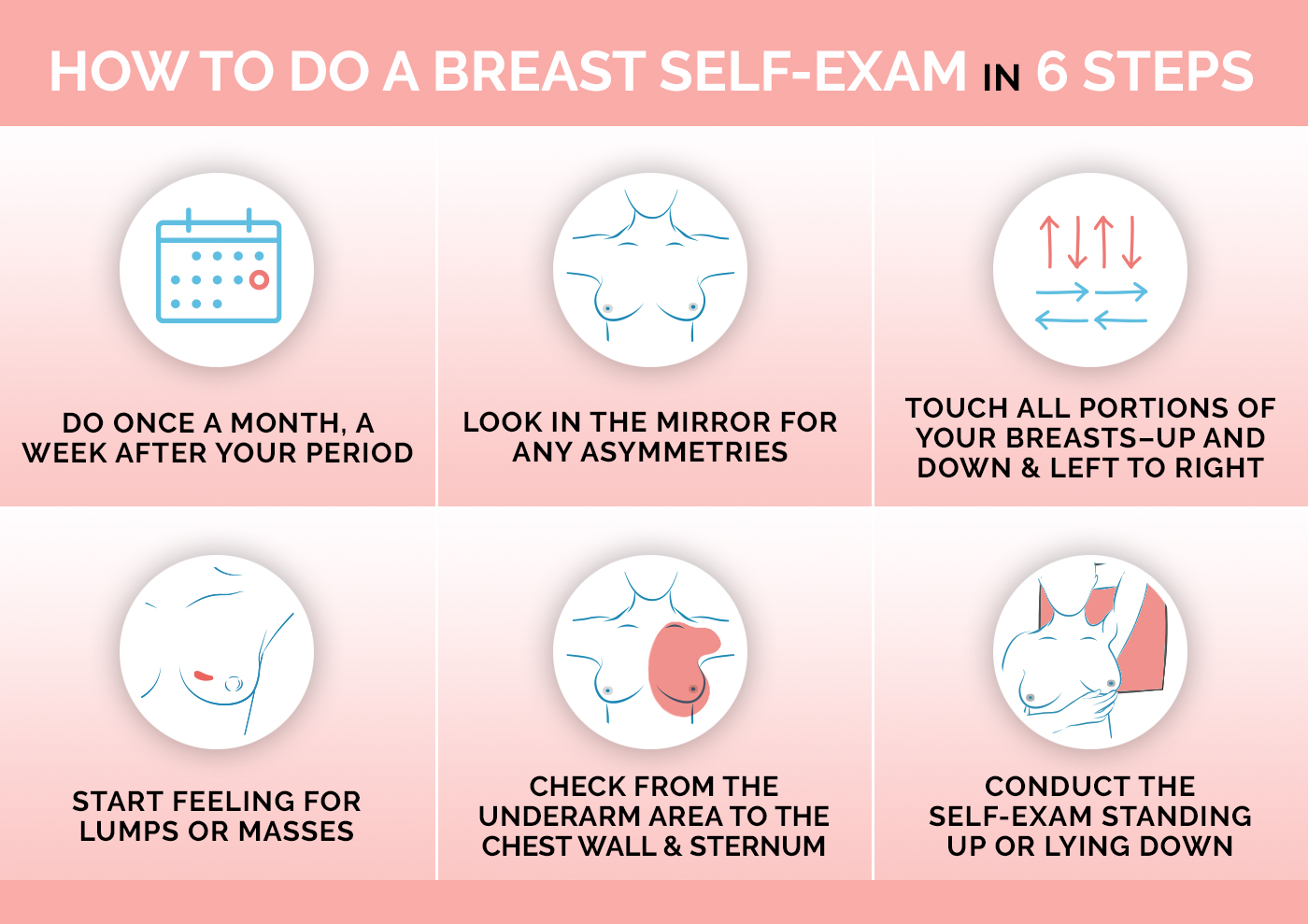
Early Detection Saves Lives: Start with a Self-Exam
But remember, self-exams complement, not replace, professional screenings.
Risk Factors You Can Influence
While some factors like age or family history are fixed, others you can manage.
- Maintain a healthy weight through balanced diet and exercise.
- Limit alcohol intake—studies link excess to higher risk.
- Stay active: Aim for 150 minutes of moderate activity weekly.
Research from the American Cancer Society suggests these lifestyle choices can play a role in overall breast health.
Here’s a list of actionable tips:
- Schedule annual check-ups starting at age 40, or earlier if at higher risk.
- Discuss family history with your doctor for personalized advice.
- Avoid smoking, as it’s linked to various health issues.
When to See a Healthcare Provider
Don’t wait if you notice any changes. Even if it’s likely benign, peace of mind comes from professional evaluation.
The CDC recommends immediate consultation for any listed signs. Early conversations can lead to prompt imaging or tests if needed.
Wrapping It Up: Stay Vigilant for Better Health
In summary, being aware of changes like lumps, skin alterations, or nipple issues can encourage timely action. Combine self-checks with screenings for the best approach.
And as promised, that surprising habit? Incorporating a monthly “mirror moment” where you not only look but also note any emotional stress, as studies show chronic stress can impact overall health awareness—making you more attuned over time.
Frequently Asked Questions (FAQ)
What age should I start watching for breast changes?
Women of all ages should be aware, but regular self-exams are suggested from the 20s, with mammograms typically starting at 40, per CDC guidelines.
Are all breast lumps cancerous?
No, most are not. The American Cancer Society states that many lumps are benign, but all should be evaluated.
How often should I get screened?
It depends on age and risk, but annual mammograms are recommended for women 45-54, and every 1-2 years after, according to health experts.
Disclaimer: This article is for informational purposes only and is not a substitute for professional medical advice. Always consult a qualified healthcare provider for any health concerns or before making changes to your health routine.


