
Many people experience occasional tiredness or odd sensations in their hands and feet, often brushing them off as part of a busy life or normal aging. These feelings can be frustrating, especially when rest or routine changes don’t seem to help much. The good news is that paying attention to your body’s signals and discussing them with a healthcare professional can provide valuable insights into what might be going on.
In this guide, we’ll explore some common signs that research links to low vitamin B12 levels, based on information from trusted sources like the National Institutes of Health and Mayo Clinic. Keep reading to discover practical ways to support your nutrition—and a simple step you can take today that many overlook.
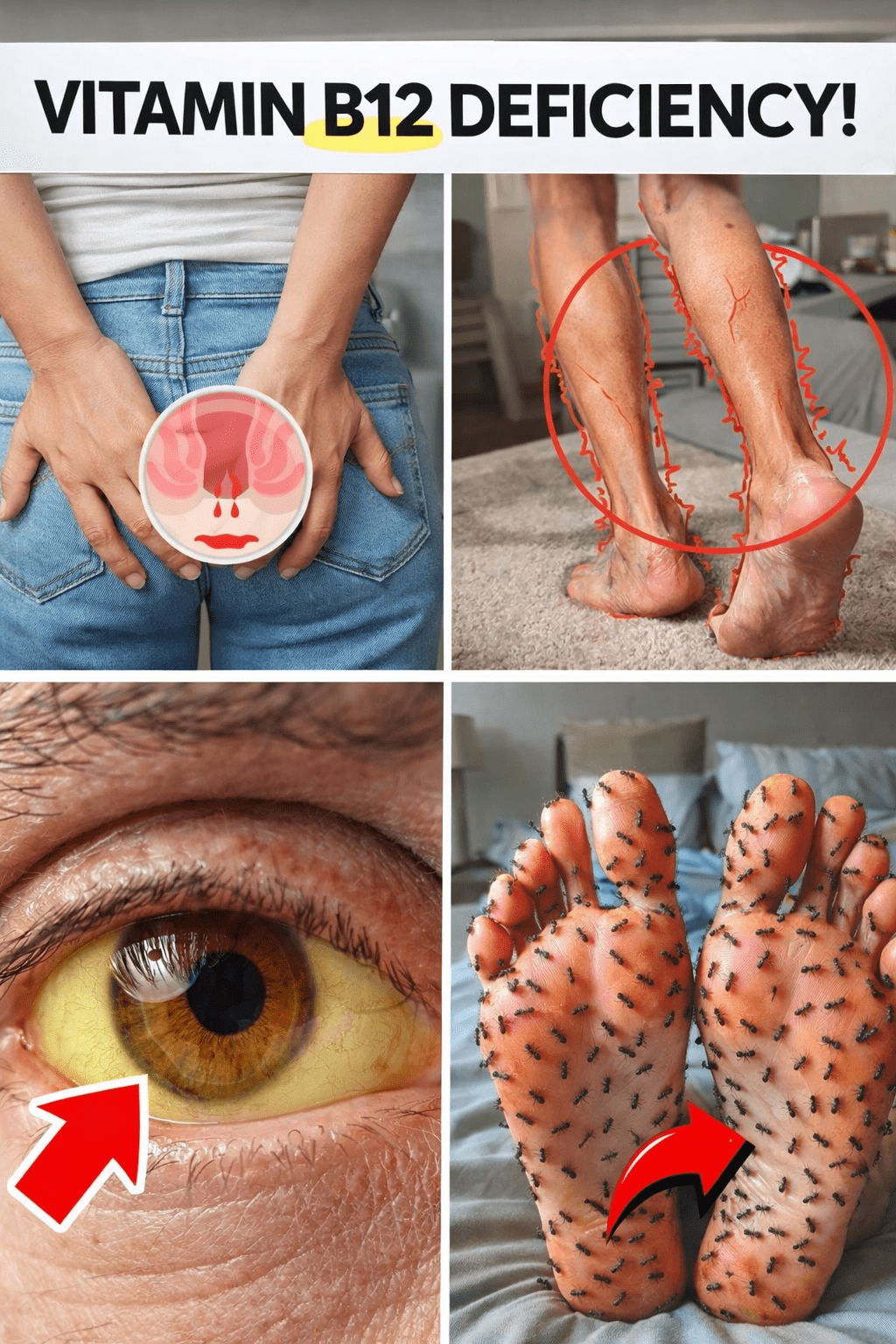
Why Vitamin B12 Matters for Everyday Energy and Well-Being
Vitamin B12 plays a key role in helping your body produce red blood cells and maintain healthy nerve function. It’s found naturally in foods like meat, fish, eggs, and dairy, but some people may not absorb it efficiently due to age, diet, or certain health conditions.
Studies show that low B12 levels are more common than many realize, especially in older adults or those following plant-based diets. When levels dip, it can affect oxygen delivery and nerve health over time.
But that’s not the whole story—let’s look at some indicators that research commonly associates with insufficient B12.
Persistent Fatigue That Lingers Despite Rest
Feeling unusually tired day after day, even after a good night’s sleep? This is one of the most reported experiences linked to low B12.
Research indicates that B12 helps with red blood cell formation, which carries oxygen throughout your body. Without enough, energy production can feel sluggish.
Many people notice this as a heavy, ongoing exhaustion that’s hard to shake.
Here’s the interesting part: Addressing nutrient intake often makes a noticeable difference for those with confirmed low levels.
Pins and Needles or Numbness in Hands and Feet
Have you ever felt a tingling sensation, like “pins and needles,” in your extremities?
This can happen because B12 supports the protective covering around nerves. When levels are low, nerves may become more sensitive.
Studies from sources like Harvard Health note that neurological changes, such as numbness or tingling, are common and can start gradually.
If this sounds familiar, it’s worth noting during your next check-up.
But wait—there’s more to explore about skin and mouth changes.
Pale or Slightly Yellowish Skin Tone
Notice your skin looking paler than usual, or perhaps a subtle yellowish tint?
Low B12 can lead to fewer healthy red blood cells, affecting skin appearance. In some cases, breakdown of fragile cells releases a pigment that causes mild jaundice-like coloring.
Reliable sources, including Cleveland Clinic, list pale or jaundiced skin as a potential sign.
This change can be subtle, so comparing old photos might help spot it.
A Sore, Red, or Swollen Tongue
Mouth discomfort, like a smooth, inflamed tongue or sores that make eating tricky?
This condition, called glossitis, is another indicator research connects to B12 insufficiency. The tongue may appear shiny or feel painful.
Healthline and WebMD highlight how B12 supports tissue health in the mouth.
Many find relief once they focus on better absorption or sources.
You’re already halfway through—keep going for mood and heart-related insights.

Mood Changes or Feeling More Irritable
Snapping more easily or noticing unexplained low moods?
B12 is involved in brain chemical production, and studies suggest links between low levels and mood instability.
The NIH mentions potential associations with depression-like feelings.
Of course, mood can stem from many factors, but nutrition is one piece of the puzzle.
Heart Palpitations or Faster Beats Occasionally
Ever feel your heart racing out of the blue?
Low B12 can sometimes strain oxygen delivery, leading to irregular sensations.
Research ties this to anemia from deficiency in some cases.
Monitoring these episodes and sharing with a doctor is key.
Memory Fog or Difficulty Concentrating
Struggling with focus or forgetting little things more often?
B12 supports nerve signals in the brain, and low levels may contribute to cognitive haze.
Harvard Health reports connections to memory issues in untreated cases.
This is why early attention matters.
Practical Ways to Include More Vitamin B12 in Your Diet
Supporting your B12 intake doesn’t have to be complicated. Here are some everyday food ideas:
- Animal sources: Salmon, eggs, beef, or chicken
- Dairy options: Milk, yogurt, or cheese
- Fortified choices: Cereals, plant milks, or nutritional yeast (great for vegetarians/vegans)
For those with absorption concerns, sublingual forms or fortified foods can help.
Quick Comparison of Common Sources
| Food Source | Approximate B12 per Serving | Notes |
|---|---|---|
| Clams (3 oz) | High (over 80 mcg) | Natural powerhouse |
| Salmon (3 oz) | About 4-5 mcg | Easy to add to meals |
| Eggs (1 large) | About 0.6 mcg | Versatile and affordable |
| Fortified cereal (1 cup) | 6 mcg or more | Good plant-based option |
Start small—try adding one rich source a few times a week.
Pro tip: Pair with foods high in vitamin C for better overall nutrient uptake.
Simple Steps to Take If You Notice These Signs
- Track your symptoms for a week or two.
- Discuss with your healthcare provider—they can check levels with a simple blood test.
- Consider dietary tweaks while awaiting results.
- Follow professional guidance on any supplements.
Consistency is what makes the biggest impact over time.

Conclusion: Listening to Your Body for Better Daily Vitality
Recognizing potential signs of low vitamin B12—like fatigue, tingling, or skin changes—can empower you to have informed conversations with your doctor. Many people feel more energized and clear-headed once they address nutrient gaps through diet or guidance.
Remember, small habits add up, and professional advice tailored to you is always the best path.
Frequently Asked Questions
How common is low vitamin B12?
Research suggests it’s fairly common, especially in adults over 60 or those with certain diets/medications, affecting up to 20% in some groups.
Can diet alone fix low levels?
For many, yes—focusing on B12-rich foods helps. But absorption issues may require extra steps, as advised by a professional.
When should I see a doctor?
If symptoms persist or interfere with daily life, it’s wise to get checked sooner rather than later.
This article is for informational purposes only and is not a substitute for professional medical advice. Always consult your healthcare provider for personalized recommendations, diagnosis, or concerns about vitamin levels or symptoms.


