Imagine noticing a small change in your body that seems harmless at first, but it lingers and makes you wonder if something more serious is happening. This uncertainty can build into worry, especially when it involves something as common yet concerning as breast health, where early awareness could make all the difference in seeking timely advice. The good news is that understanding these subtle shifts empowers you to stay proactive about your well-being. But what if there was one overlooked sign that many people miss entirely—stick around to discover it at the end.
Understanding Breast Cancer Basics
Breast cancer is one of the most common types of cancer affecting women worldwide, though it can occur in men too. According to the American Cancer Society, about 1 in 8 women in the United States will develop invasive breast cancer over the course of her lifetime.
But here’s the thing: Knowing the fundamentals helps demystify it. Breast cancer starts when cells in the breast begin to grow out of control, forming a tumor that can often be seen on an x-ray or felt as a lump.
Research from organizations like the Mayo Clinic shows that most breast cancers begin in the ducts or lobules of the breast. Factors like age, family history, and lifestyle play roles, but anyone can be at risk.
That said, early detection through self-awareness and regular check-ups is key. Let’s dive deeper into why paying attention matters.
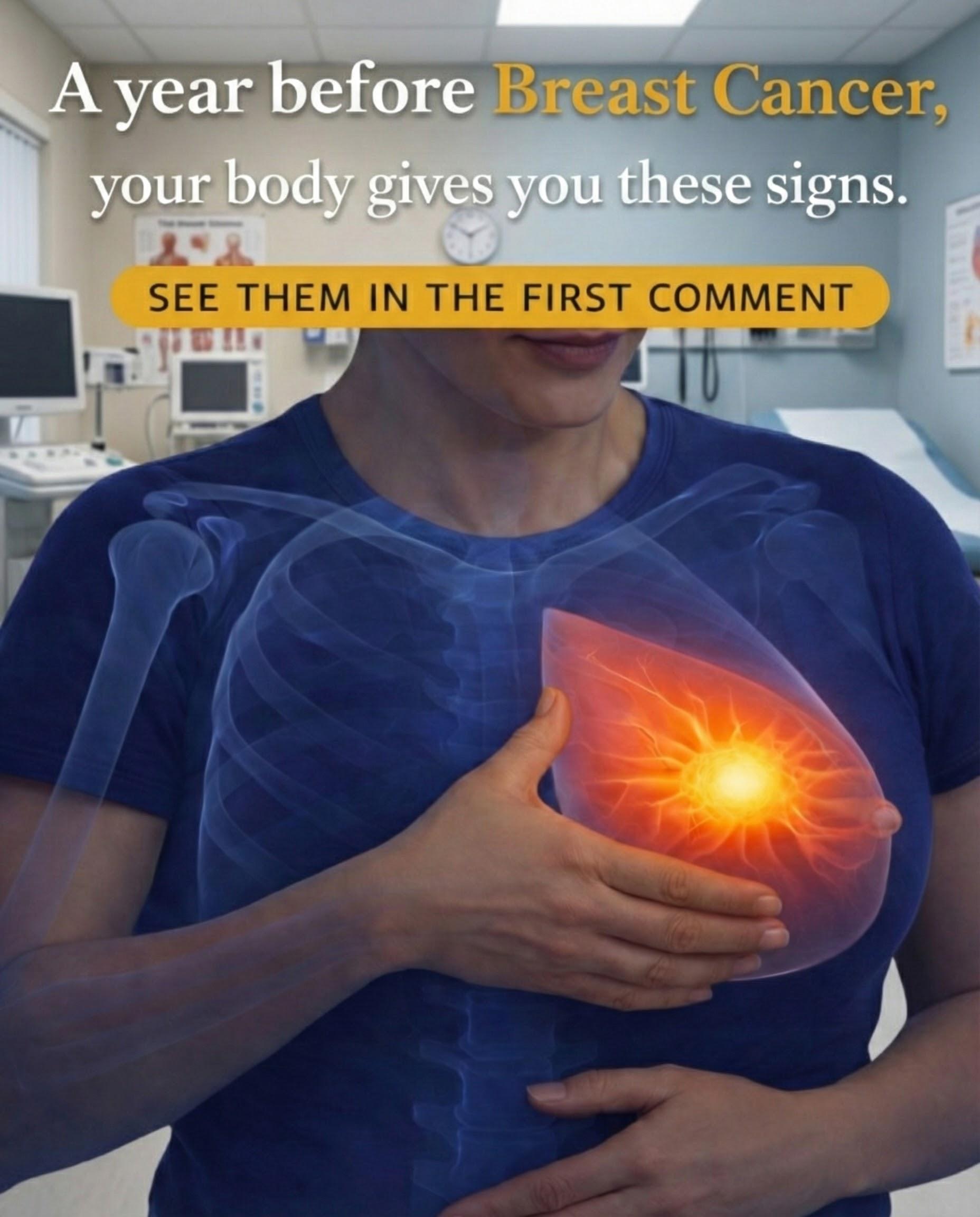
Why Early Detection Matters for Breast Health
Early detection can significantly improve outcomes, as studies from the Centers for Disease Control and Prevention (CDC) indicate that when breast cancer is found early, the 5-year survival rate is about 99%.
But wait, there’s more: Ignoring subtle changes might lead to later-stage discovery, which can complicate things. That’s why being informed is empowering.
Think about it this way: Your body often sends signals long before a diagnosis. Recognizing them isn’t about self-diagnosing—it’s about knowing when to consult a professional.
In fact, a study published in the Journal of the National Cancer Institute highlights how awareness campaigns have increased early detections. So, what are these signals?
Common Early Signs to Watch For
Many people associate breast cancer only with lumps, but there are several other indicators. Here’s a closer look at some of the most reported ones, based on reliable health sources.
A Noticeable Lump or Thickening in the Breast
One of the most well-known signs is feeling a lump or thickened area in the breast or underarm. This might feel like a hard knot or a thickened patch that’s different from the surrounding tissue.
But that’s not all: These lumps can appear suddenly or develop over time. According to Cancer.org, about 80% of lumps are benign, but it’s always worth checking.
Actionable tip: Perform a monthly self-exam by lying down, using the pads of your fingers to feel in circular motions. Start from the outer edges and move inward.
If you notice anything unusual, note its size, shape, and location before seeing a doctor.
Changes in Breast Shape or Size
Another subtle sign is a change in the size or shape of one or both breasts. This could include swelling, shrinkage, or asymmetry that wasn’t there before.
Sự thật là: Hormonal fluctuations can cause temporary changes, but persistent ones warrant attention. The National Breast Cancer Foundation notes this as a common early indicator.
Here’s how to check: Stand in front of a mirror with arms at your sides, then raise them overhead. Look for dimpling, puckering, or bulging.
If you spot differences, track them over a cycle if applicable, and consult if they persist.

Skin Changes on the Breast
Skin alterations can be telling. Look for redness, rash, or an orange-peel texture (known as peau d’orange) on the breast skin.
But here’s the interesting part: These changes might resemble a simple infection, but if they don’t resolve with treatment, it could signal something else.
Research from the World Health Organization supports monitoring skin texture as part of routine checks.
Practical step: Gently inspect your skin in good lighting. If you see flaking, scaling, or persistent redness, document it and seek advice.
Nipple Changes or Discharge
Nipple inversion, where the nipple turns inward, or unexpected discharge (not related to breastfeeding) are signs not to overlook.
And get this: Discharge might be clear, bloody, or milky. The CDC advises noting any spontaneous leakage.
To monitor: Squeeze gently during self-exams. If discharge appears, note the color and consistency.
Always report this to a healthcare provider, as it could indicate ductal issues.
Less Common But Important Signs
While the above are frequent, some signs are subtler and often missed.
Persistent Pain or Tenderness
Breast pain is common with cycles, but ongoing ache in one spot isn’t. Studies in The Lancet Oncology suggest localized pain can be an early clue.
Actionable advice: Keep a journal of pain patterns. If it’s unrelated to your cycle and lasts over two weeks, get it evaluated.
Swelling in the Armpit or Collarbone Area
Lymph node swelling under the arm or near the collarbone can occur if cancer spreads. This might feel like tender lumps.
But don’t panic yet: Infections can cause this too. However, if it persists, imaging might be needed.
Tip: Feel your armpits monthly while showering, using light pressure.
Itchy or Ulcerated Skin
Itching or sores that don’t heal on the breast or nipple area are rare but significant. According to Mayo Clinic experts, this could relate to inflammatory types.
Monitor by: Avoiding irritants and observing healing. Non-healing sores need professional review.
Risk Factors That Heighten Awareness Needs
Certain factors increase the likelihood of breast cancer, making vigilance crucial.
- Age: Risk rises after 50.
- Genetics: BRCA1/2 mutations, as per genetic studies.
- Lifestyle: Obesity, alcohol, and lack of exercise, per WHO data.
But here’s a key point: Even without risks, awareness is universal.
To reduce risks: Maintain a healthy weight, limit alcohol, and exercise regularly—aim for 150 minutes weekly.
How to Perform a Breast Self-Exam Step by Step
Empower yourself with this simple routine.
- Visual Check: Stand mirror-front, arms down, then up. Look for changes.
- Lying Down Exam: Flat on back, pillow under shoulder. Use finger pads in circles.
- Standing Exam: Repeat in shower for easier gliding.
Do this monthly, post-period if menstruating.

When to See a Doctor
If any sign persists for over two weeks or worsens, schedule a visit. Early consultation can provide peace of mind.
Remember: Doctors use mammograms, ultrasounds, or biopsies for clarity.
Lifestyle Habits to Support Breast Health
Adopt these for overall well-being.
- Eat antioxidant-rich foods like berries and greens.
- Stay active with walks or yoga.
- Limit hormone-disrupting exposures.
Studies from Harvard Health show these habits correlate with lower risks.
Myths vs. Facts About Breast Cancer Signs
Let’s clear up misconceptions.
Myth: Only women get breast cancer.
Fact: Men account for 1% of cases, per CDC.
Myth: Lumps are always cancerous.
Fact: Most are benign cysts.
Myth: No family history means no risk.
Fact: 85% of cases have no family link.
This knowledge helps avoid unnecessary fear.
Comparison of Breast Cancer Types and Their Signs
| Type | Common Signs | Prevalence |
|---|---|---|
| Ductal Carcinoma In Situ (DCIS) | Often no symptoms; found on mammogram | About 20% of new cases |
| Invasive Ductal Carcinoma | Lump, skin changes | Most common, 80% |
| Inflammatory Breast Cancer | Redness, swelling, warmth | Rare, 1-5% |
| Lobular Carcinoma | Thickening, fullness | 10-15% |
Data sourced from American Cancer Society reports.
The Overlooked Sign: Unexplained Fatigue
And now, the one many miss—persistent, unexplained fatigue that doesn’t improve with rest. While not specific, combined with other signs, it can be a red flag.
Research in the British Journal of Cancer links chronic tiredness to early metabolic changes in the body.
If you’re feeling unusually drained, track it alongside other symptoms.
Wrapping It Up
Staying aware of your body’s signals, from lumps to skin changes, empowers you to take proactive steps for breast health. Incorporate self-exams and healthy habits into your routine for better peace of mind.
Remember, knowledge is your ally in maintaining well-being.
Frequently Asked Questions
What age should I start checking for breast cancer signs?
Experts recommend starting self-exams in your 20s and considering mammograms from age 40, or earlier if high-risk, per CDC guidelines.
Can breast cancer signs appear in men?
Yes, men can experience lumps, nipple discharge, or skin changes, though it’s less common. Awareness is important for all.
How often should I get screened?
Annual mammograms for ages 45-54, then every 1-2 years, but discuss with your doctor based on personal risks.
Disclaimer: This article is for informational purposes only and is not a substitute for professional medical advice, diagnosis, or treatment. Always seek the advice of your physician or other qualified health provider with any questions you may have regarding a medical condition.