
If you’re taking metoprolol for high blood pressure, angina, or heart protection after a heart event, you probably appreciate how it helps keep things steady. But that same medication can sometimes bring along unwelcome changes—like feeling wiped out even after a good night’s sleep or noticing your mood isn’t quite what it used to be. These shifts can sneak up quietly, making you question if it’s the drug, stress, or just life. The good news? Many of these effects are well-documented, often mild, and tend to ease as your body adjusts. Knowing what to expect ahead of time can help you stay ahead of them and chat with your doctor early if needed. Stick around to the end, where we’ll share a simple daily habit that helps many people track patterns their doctor might otherwise miss.

Understanding Why Metoprolol Causes Side Effects
Metoprolol belongs to a group of medications called beta-blockers. It works by blocking certain signals in your body that make your heart beat faster and harder. This lowers blood pressure and reduces strain on the heart. But because it affects your whole system—including how your heart pumps and even some brain signals—it can lead to noticeable changes for some people.
Research from sources like Mayo Clinic and other medical reviews shows that while most tolerate it well, certain effects happen more often than others. They often relate to the drug slowing things down or influencing circulation and nervous system responses. The key is recognizing them early so you can manage them effectively.
The Most Common Side Effects You Might Notice
Here are some of the effects reported frequently by people taking metoprolol. Many improve over time or with small adjustments.
- Tiredness and Fatigue — This tops the list for many. You might feel unusually drained, even after rest. Studies note it often stems from the drug reducing cardiac output, making everyday activities feel heavier at first.
- Dizziness or Lightheadedness — Especially when standing up quickly. This happens because blood pressure can drop a bit more than usual.
- Slow Heart Rate (Bradycardia) — Your pulse might feel slower. It’s usually not an issue, but if it causes dizziness or fainting, it’s worth checking.
- Cold Hands and Feet — Reduced circulation can make extremities feel chilly.
- Diarrhea or Digestive Upset — Some experience loose stools or stomach discomfort as the body adapts.
- Shortness of Breath — This can occur during activity, particularly if there’s a lung sensitivity.
- Depression or Low Mood — A subtle emotional flatness affects some users, linked to central nervous system effects.
- Trouble Sleeping or Vivid Dreams — Nighttime disturbances, including more intense dreams, show up in reports due to the drug crossing into brain areas.
- Sexual Function Changes — Reduced interest or performance issues occur in some, often tied to blood flow effects.
- Itching or Rash — Mild skin reactions appear occasionally.
But that’s not the full picture—some effects are less common yet important to know about.
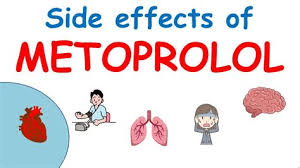
Less Common but Worth Watching For
Certain reactions happen less often but can feel surprising:
- Brain fog or short-term memory slips — Some describe mild cognitive fuzziness, especially early on.
- Masked low blood sugar symptoms — For those with diabetes, it can hide classic signs like a racing heart, so extra monitoring helps.
- Worsening breathing in those with asthma — It may tighten airways in sensitive individuals.
Serious effects like dangerously slow heart rate, sudden heart failure worsening, or severe allergic reactions are rare but require immediate medical attention. Always reach out to your provider if something feels off.
Quick Comparison: How Often Do These Happen?
| Category | Examples | Frequency Notes |
|---|---|---|
| Very Common | Tiredness, dizziness, slow heartbeat | Often reported; many improve with time |
| Moderately Common | Depression, diarrhea, cold hands/feet | Seen in 1-10% of users |
| Less Common/Rare | Vivid dreams, memory issues, sexual changes | Affect specific individuals |
| Serious (Seek Help) | Severe bradycardia, breathing trouble, heart failure worsening | Rare but prompt attention needed |
This breakdown draws from prescribing information and clinical reviews to give a realistic view.
Practical Tips to Help Manage Side Effects
You don’t have to just put up with discomfort—small steps can make a difference:
- Rise slowly from sitting or lying down to cut dizziness risk.
- Track your pulse and blood pressure at home regularly.
- For diabetics, check blood sugar more often and watch for subtler signs like sweating.
- Stay hydrated and try light activity to combat fatigue.
- Keep a simple symptom journal—note what you feel, when, and any patterns.
Many find these habits help spot trends early. And here’s the open-loop promise: That daily journal trick at the end often reveals quick wins for feeling better sooner.

When to Talk to Your Doctor
Don’t hesitate to reach out if effects linger, worsen, or interfere with daily life. Your provider might adjust the dose, switch formulations, or explore alternatives. Never stop metoprolol suddenly—tapering under guidance prevents rebound issues like blood pressure spikes or chest pain.
Take Charge of Your Experience
Metoprolol supports heart health for millions, but being informed puts you in control. Spotting changes early and addressing them openly often leads to smoother sailing. You’re not alone in this—many navigate similar adjustments successfully.
FAQ
What is the most common side effect of metoprolol? Tiredness or unusual fatigue ranks as one of the most frequently reported, often easing as your body gets used to the medication.
Can metoprolol cause depression or mood changes? Yes, some people notice low mood or emotional flatness. If this happens, discussing it with your healthcare provider can help explore options.
Is it safe to stop metoprolol on my own? No—stopping abruptly can lead to serious rebound effects. Always consult your doctor for a safe tapering plan.
This article is for informational purposes only and is not a substitute for professional medical advice. Please consult your healthcare provider for personalized guidance before making any changes to your medications or treatment plan.


