
Finding tiny droppings in your kitchen drawers or hearing faint scratches behind the walls can turn your safe haven into a source of constant stress and unease. These unwelcome visitors not only chew through wires and spoil food supplies but also bring worries about hygiene and family well-being. The encouraging part is that many homeowners successfully make their spaces less appealing to rodents using simple household items and scents from nature, offering a gentler starting point without harsh options.
But that’s not all—there’s one powerful layered approach that stands out in user experiences and expert tips, and we’ll reveal it toward the end to help you build stronger protection.

Why Rodents Enter Homes and How Natural Scents May Help
Mice and rats are drawn indoors by the promise of food, water, and shelter, especially as temperatures drop. Their keen sense of smell leads them to even the smallest crumbs or leaks.
Millions of households face similar issues each year, according to housing surveys. Tiny openings around doors, pipes, or foundations serve as easy entry points.
Natural scents work mainly by overwhelming that sensitive nose, potentially disrupting navigation or making areas less inviting. Anecdotal reports and some lab observations suggest strong aromas like mint or spices can encourage rodents to seek elsewhere, though effects vary. The key lies in combining these with basic habits like sealing and cleaning for better results.
Here’s the exciting part: rotating scents helps prevent adaptation, keeping things fresh and potentially more effective over time.
Top 10 Natural Methods to Try
Method 1: Peppermint Oil
The fresh, intense menthol scent in peppermint oil is frequently mentioned as off-putting to rodents.
Many people appreciate how it leaves spaces smelling clean while possibly deterring pests.
Simple steps to apply:
- Mix 10-15 drops of pure peppermint essential oil with 1 cup of water in a spray bottle.
- Shake well and apply along baseboards, entryways, and corners.
- Refresh every few days as the aroma fades.
User experiences often highlight temporary deterrence, with some studies noting initial avoidance in controlled settings.
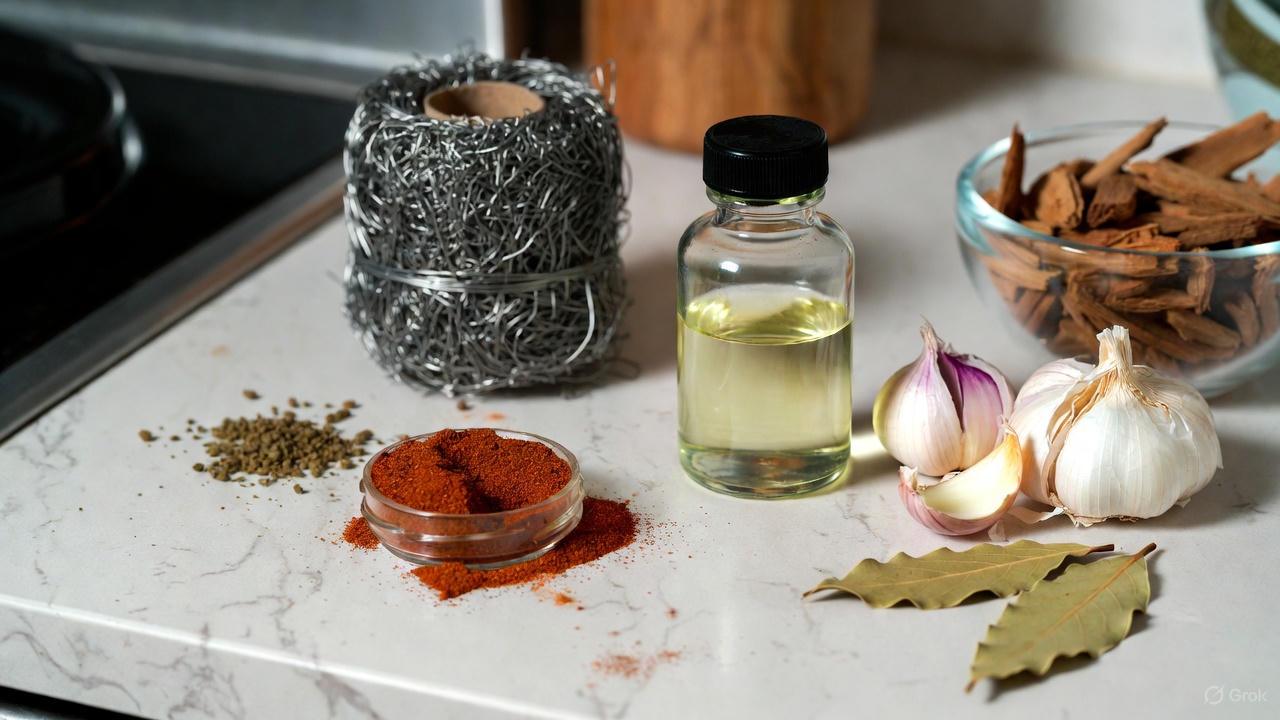
Method 2: Cayenne Pepper or Chili Powders
The heat from capsaicin in spicy peppers can irritate rodent senses.
Farm-based observations have linked capsaicin to reduced activity around treated areas.
Easy ways to use:
- Sprinkle powder lightly near walls or potential entries.
- Create a spray with 1 tablespoon cayenne, 1 quart water, and a dash of dish soap.
- Wear gloves and avoid contact with pets or kids.
Quick comparison of spicy options:
| Option | Key Compound | Common Application | Refresh Frequency |
|---|---|---|---|
| Cayenne Pepper | Capsaicin | Sprinkle or spray | Weekly |
| Chili Powder | Capsaicin | Barriers near food | Weekly |
| Hot Sauce | Capsaicin | Soaked cotton balls | Every few days |
The intensity builds from here.
Method 3: Cloves
Whole cloves release eugenol, a spicy aroma that rodents may find unpleasant.
How to apply:
- Place cloves in mesh bags or sachets in cabinets and drawers.
- Soak cotton balls in clove oil for corners.
This suits enclosed spots like storage areas well.
Method 4: Onion Slices
Fresh onions release sulfur compounds with a sharp smell.
Budget-friendly approach:
- Slice onions and position near suspected spots.
- Replace every 2-3 days.
It may temporarily mask attracting odors.
Method 5: Garlic
Garlic’s strong sulfur notes from allicin offer similar potential.
Ideas to try:
- Crush cloves and place in problem areas.
- Make a spray by boiling, straining, and cooling garlic water.
Helpful for disrupting scent trails.
You’re halfway there—let’s explore more options.
Method 6: White Vinegar
The tangy acetic acid in vinegar creates an unwelcoming sharpness.
Practical uses:
- Soak cotton balls in undiluted vinegar for entry points.
- Mix half vinegar, half water to wipe surfaces.
Reapply regularly.
Method 7: Bay Leaves
Dried bay leaves provide a subtle yet lingering herbal note.
Easy placement:
- Scatter leaves along baseboards or in cabinets.
- Add a few to storage containers.
Low-effort and persistent.
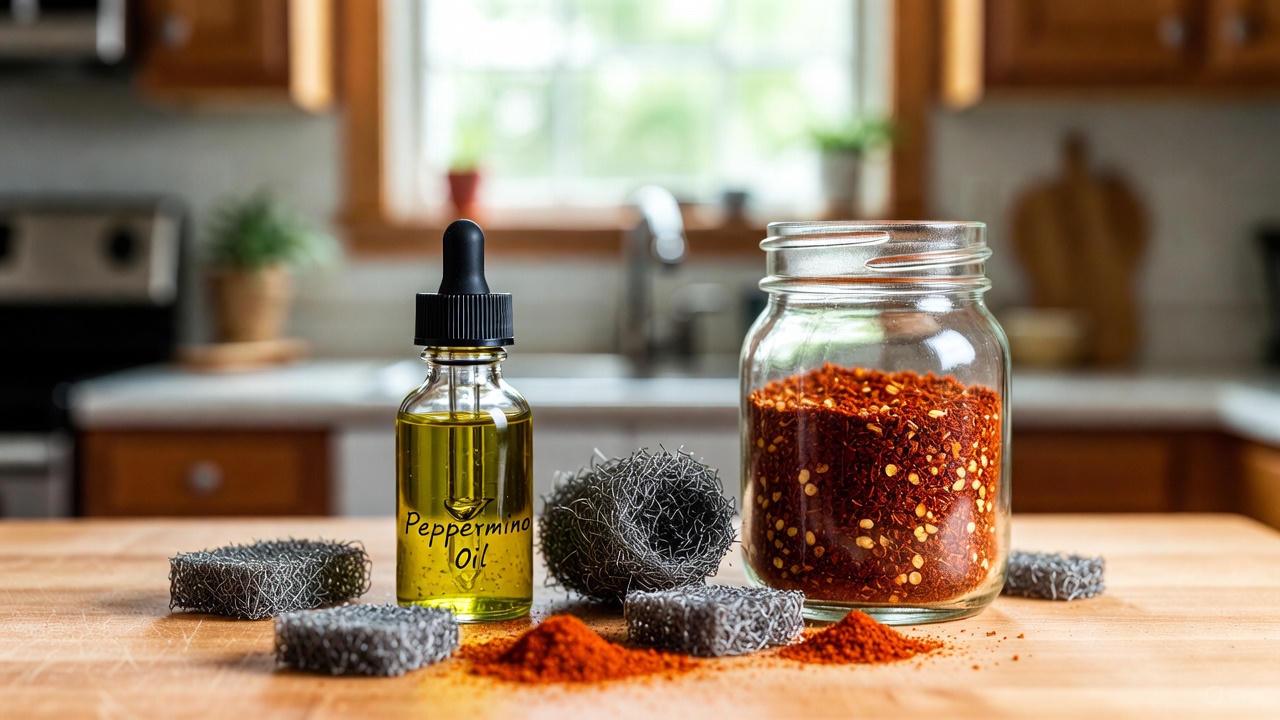
Method 8: Eucalyptus Oil
Eucalyptus contains compounds like cineole that some observations link to short-term avoidance.
Application tips:
- Dilute and spray or use on cotton balls in key areas.
- Refresh as needed.
Limited studies suggest potential in controlled tests.
Method 9: Cedar Chips
Natural cedar oils emit a woody aroma many find deterring.
Deployment ideas:
- Spread chips in attics, garages, or around foundations.
- Use cedar blocks in closets.
Long-lasting release.
Method 10: Steel Wool Barriers
While not a scent, steel wool physically blocks access since rodents can’t chew through it easily.
Steps:
- Pack coarse steel wool firmly into gaps.
- Seal with caulk for durability.
Combine with scents for added layers.
Here’s that standout tip: layering strong scents—like peppermint with cayenne or eucalyptus—with steel wool barriers creates a multi-step defense that many report as particularly helpful.
Actionable Tips to Support These Methods
Consistency turns these ideas into a reliable routine.
Step-by-step plan to start today:
- Inspect your home and fill gaps over ¼ inch with steel wool and caulk.
- Store food and pet items in sealed containers.
- Wipe spills promptly and secure trash.
- Renew scent applications weekly and switch between 2-3 options monthly.
- Clear vegetation and clutter outside.
Reference table for habits:
| Habit | Potential Benefit | Suggested Timing |
|---|---|---|
| Seal entries | Limits access | Initial + annual checks |
| Rotate scents | Reduces adaptation | Monthly |
| Daily cleaning | Removes attractants | Ongoing |
| Outdoor upkeep | Minimizes outdoor appeal | Seasonal |
These small steps can build noticeable comfort.
Conclusion
Rodents persist, but these 10 natural approaches—especially rotated and paired with sealing and hygiene—provide many with a kinder, everyday starting point. Begin with what’s on hand, note what suits your space, and add layers gradually. The effective combo often praised? Intense scents alongside solid barriers.
Frequently Asked Questions
- How soon might activity decrease with these natural ideas?
Many notice changes within days to weeks when combining scents with cleaning and sealing. - Are these options safe for homes with pets or children?
Most are everyday items, but keep essential oils, spices, and ammonia away from reach. Barriers and hygiene are safest. - Can rodents adapt to these scents?
Yes, which is why refreshing and rotating helps maintain any potential effect.
Disclaimer: This article is for informational purposes only and does not constitute professional pest control advice. Results can vary, and natural methods may not resolve established issues. For ongoing concerns, consult a licensed pest management expert. Prioritize safety around children, pets, and food.


