You’re brushing twice a day, flossing regularly, and even using mouthwash, yet your breath still feels off—and sometimes people subtly step back when you talk. It’s frustrating and embarrassing, especially when you can’t figure out why normal oral hygiene routines aren’t helping. The good news? There’s a common hidden culprit many people overlook, and understanding it can make a real difference. Keep reading to discover exactly what it is and some practical ways to manage it.
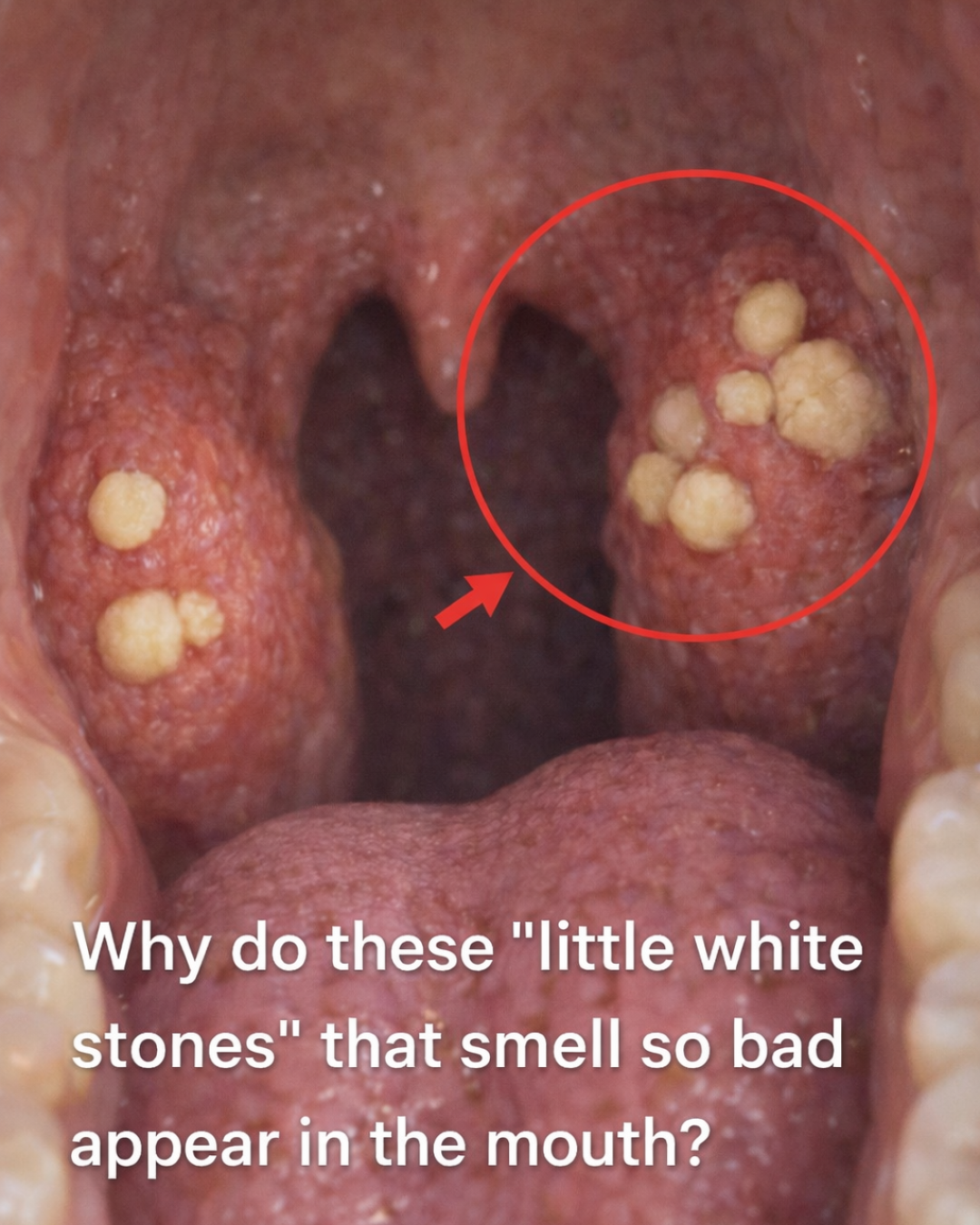
What Exactly Are Tonsil Stones?
Tonsil stones, also known as tonsilloliths, are small, hard deposits that form in the natural crevices of the tonsils. These crevices are called crypts, and they can trap tiny bits of food, dead cells, and mucus.
Over time, bacteria naturally present in the mouth feed on this trapped material. Saliva then adds minerals like calcium, which harden the debris into white or yellowish lumps.
They can range from the size of a grain of rice to as large as a small pea. Some people notice them only occasionally, while others experience them more frequently.
Research published in journals like Otolaryngology–Head and Neck Surgery notes that tonsil stones are quite common, especially in adults with deeper tonsil crypts.
Why Do Tonsil Stones Cause Such Noticeable Bad Breath?
The intense odor comes from the bacteria living inside the stones. Certain types of bacteria produce volatile sulfur compounds—the same gases responsible for that unmistakable “rotten egg” smell.
Even a single small stone can release these compounds for hours, making breath noticeably unpleasant despite good oral care habits.
This explains why regular brushing and mouthwash often don’t fully address the issue—the source is hidden deeper in the tonsils.
But that’s not all…
Common Signs You Might Have Tonsil Stones
Many people have tonsil stones without realizing it. Here are some of the most frequently reported signs:
- Persistent bad breath that doesn’t fully improve with brushing or mouthwash
- A bad or metallic taste at the back of the throat
- Feeling like something is stuck in your throat
- Visible white or yellowish spots on the tonsils when looking in a mirror
- Occasional ear discomfort (due to shared nerve pathways)
- Mild throat irritation or frequent need to clear the throat
- Coughing up small, hard, foul-smelling lumps
- Slight swelling of the tonsils
If several of these sound familiar, tonsil stones could be playing a role.
Who Tends to Experience Tonsil Stones More Often?
Certain factors make some people more prone to developing them:
- Having larger tonsils with deeper crypts
- Being in the teenage or young adult years (when tonsils are typically larger)
- Dealing with ongoing post-nasal drip or sinus drainage
- History of frequent throat infections during childhood
- Dry mouth from medications or breathing habits
Studies suggest up to 10% of the population may experience noticeable tonsil stones at some point.
Here’s the interesting part…
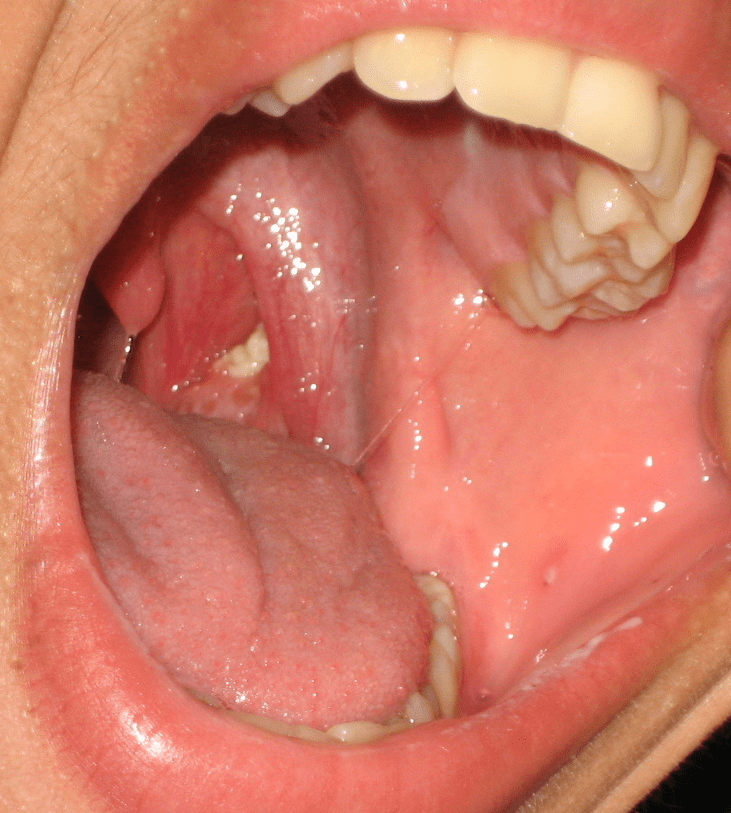
Safe Ways to Remove Visible Tonsil Stones at Home
If you can see a stone, gentle removal can provide quick relief. Always prioritize safety to avoid irritation.
Step-by-step approach:
- Wash your hands thoroughly.
- Use good lighting and a mirror to locate the stone.
- Gently press around the area with a clean cotton swab or the back of a soft toothbrush—never use sharp objects.
- If it doesn’t come out easily, stop and try another method.
- Gargle with warm salt water afterward to soothe the area.
Many people also find low-pressure water flossers helpful for dislodging stones without direct contact.
Daily Habits That Help Prevent New Stones
Prevention focuses on keeping the tonsil area clean and reducing debris buildup. Here are practical habits you can start today:
- Gargle with warm salt water every evening
- Stay well-hydrated throughout the day
- Gently clean the tongue with a scraper
- Use a water flosser on a low setting aimed toward the tonsils
- Consider a nasal rinse if post-nasal drip is an issue
Consistency with these simple steps often makes a noticeable difference within weeks.
A popular homemade spray many people use:
- Mix 200 ml warm water with 1 teaspoon salt
- Add 3–4 drops of food-grade peppermint essential oil (optional for fresh taste)
- Store in a small spray bottle and use several times daily
When to Consult a Healthcare Professional
While most tonsil stones are harmless, certain situations warrant professional advice:
- Stones that are very large or cause significant discomfort
- Persistent one-sided tonsil swelling
- Frequent throat infections
- Any bleeding or severe pain when attempting removal
An ear, nose, and throat specialist can offer options like laser resurfacing or, in recurring cases, tonsillectomy.

Quick Comparison of Common Approaches
| Approach | Helps with Odor | Removes Existing Stones | Helps Prevent New Ones | Approximate Cost |
|---|---|---|---|---|
| Regular mouthwash alone | Temporarily | No | Limited | Low |
| Salt water gargle + hydration | Yes | Sometimes | Good | Very low |
| Water flosser routine | Yes | Yes | Very good | Moderate |
| Professional laser procedure | Yes | Yes | Excellent | Higher |
| Surgical removal (tonsillectomy) | Yes | Yes | Permanent | Higher |
Most people find relief with consistent at-home habits before considering advanced options.
Final Thoughts
Tonsil stones are a common and manageable issue that affects many people without them realizing the cause. Simple daily habits like salt water gargling, staying hydrated, and gentle cleaning can often reduce their formation significantly.
You’re not alone in dealing with this—and small changes can lead to big improvements in comfort and confidence.
Frequently Asked Questions
Are tonsil stones dangerous?
No, they are usually harmless and not a sign of serious illness, though they can be uncomfortable.
Can tonsil stones go away on their own?
Yes, many dislodge naturally when coughing, eating, or gargling.
How long do tonsil stones last if left alone?
They may persist for days to weeks until they either fall out or grow larger.
Disclaimer: This article is for informational purposes only and is not a substitute for professional medical advice, diagnosis, or treatment. Always consult a qualified healthcare provider with any questions regarding your health.
(Word count: 1,248)