Have you ever spotted small white patches on your arms, legs, or back and wondered what they mean? These harmless-looking spots can feel concerning, especially when they linger or multiply, leaving you unsure if it’s just a minor issue or something more. The good news is that many common factors—both nutritional and lifestyle-related—play a role, and understanding them can help you take simple steps toward healthier skin.
But here’s the thing: some causes are easier to address than you might think, and there’s one surprising everyday habit that research links to better skin pigmentation. Keep reading to discover what it is.

Why Do White Spots Appear on the Skin?
White spots, also known as hypopigmentation, happen when certain areas of skin produce less melanin—the natural pigment that gives your skin its color. This can occur for various reasons, from temporary changes to longer-term factors.
The skin is incredibly responsive to what’s happening inside and around your body. Small shifts in nutrients, sun exposure, or even moisture levels can show up as these pale patches.
But that’s not all—let’s break down the most common contributors.
Nutritional Factors That May Affect Skin Pigmentation
Your diet plays a bigger role in skin appearance than many people realize. Certain vitamins and minerals support melanin production and overall skin cell health.
Research shows that imbalances in key nutrients can sometimes lead to noticeable changes in skin tone.
Vitamin B12 and Its Role in Skin Health
Vitamin B12 is essential for many body functions, including maintaining healthy skin pigmentation. Studies have observed that low levels of this vitamin are sometimes associated with lighter patches on the skin.
People who follow plant-based diets or have absorption issues may be more prone to lower B12 levels. Other common signs can include fatigue or tingling sensations.
The interesting part? Adding B12-rich foods or discussing testing with a healthcare provider can make a difference for many.
The Sunshine Vitamin: How Vitamin D Fits In
Vitamin D helps with skin cell growth and repair. With more time spent indoors, many people don’t get enough natural sunlight—the body’s main source of this vitamin.
Some research suggests that insufficient vitamin D might contribute to uneven skin tone in certain cases.
Here are simple ways to support healthy vitamin D levels naturally:
- Enjoy short periods of midday sun exposure on arms and legs (always with protection in mind).
- Include foods like fatty fish, egg yolks, and fortified options in your meals.
- Consider mushrooms exposed to sunlight—they naturally boost vitamin D content.
Essential Minerals for Even Skin Tone
Minerals work behind the scenes to keep skin looking uniform and healthy.
Zinc and Copper: Partners in Pigmentation
Both zinc and copper are involved in melanin synthesis. When levels are low over time, some people notice gradual changes in skin coloration.
You can find these minerals in everyday foods:
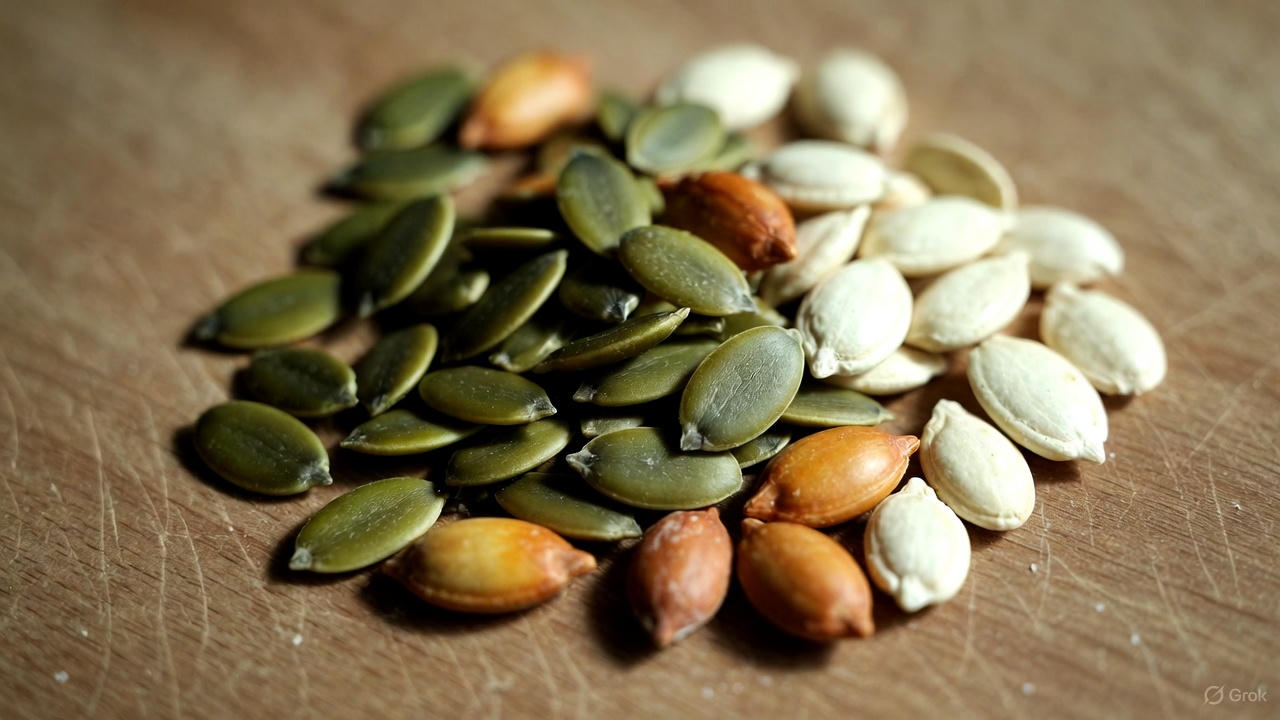
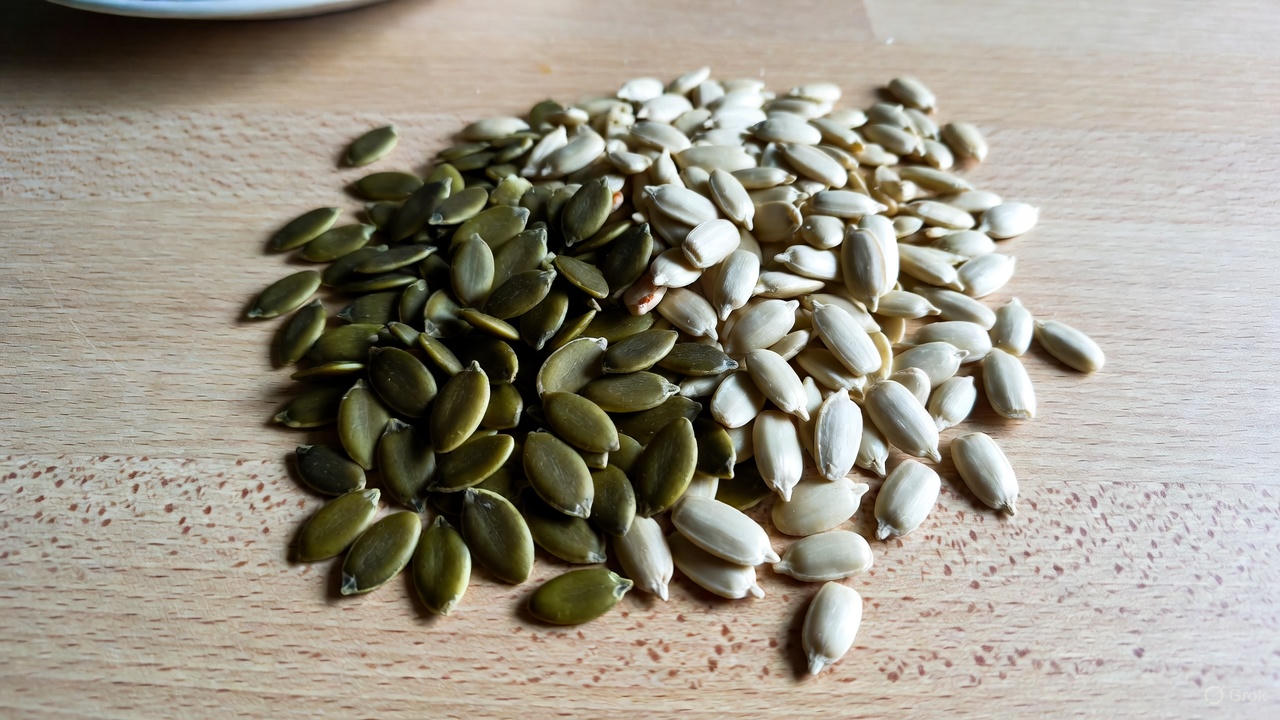
- Pumpkin seeds and sunflower seeds
- Shellfish and seafood
- Nuts, especially cashews and Brazil nuts
- Whole grains and legumes
- Dark chocolate (in moderation)
Calcium’s Lesser-Known Skin Connection
While best known for bones, calcium also supports skin cell functions. Some studies link balanced calcium intake to overall skin health.
Leafy greens, dairy alternatives, and small fish with edible bones are great natural sources.
Non-Nutritional Causes to Be Aware Of
Not every white spot stems from diet. Other common factors include:
Fungal Growth and Climate
In warm, humid environments, a yeast naturally present on the skin (Malassezia) can sometimes overgrow, leading to a condition called tinea versicolor. This often shows as light or white flaky patches, especially on the chest, back, or arms.
Good hygiene and breathable clothing can help prevent flare-ups.
Sun Exposure Patterns
Ironically, both too much and too little sun can affect pigmentation. Overexposure without protection may damage pigment cells in sensitive areas.
Wearing broad-spectrum sunscreen daily is one of the simplest habits for protecting skin tone long-term.
Genetic and Immune Factors
Conditions like vitiligo involve the immune system affecting melanin-producing cells. These patches tend to be more defined and may expand gradually.
If spots spread quickly or appear symmetrically, it’s worth consulting a dermatologist for personalized insight.
Everyday Habits to Support Healthy Skin Pigmentation
Small consistent changes often yield the best results. Here’s a step-by-step guide you can start today:
- Eat a colorful variety of whole foods daily—think greens, oranges, reds, and purples.
- Stay hydrated by drinking water throughout the day; aim for clear or pale urine as a simple check.
- Moisturize skin after showering to lock in hydration and support the skin barrier.
- Get moderate sun exposure (10–30 minutes depending on skin type and location) most days.
- Track any new spots with photos and dates to notice patterns over time.
And here’s that surprising habit mentioned earlier: regular gentle exercise. Studies show improved circulation from movement delivers nutrients more effectively to skin cells—another reason to stay active.
When to Seek Professional Advice
While many white spots are benign, changes worth noting include:
- Rapid spreading or size increase
- Associated redness, itching, or texture changes
- Appearance alongside other unexplained symptoms
A dermatologist can provide clarity and peace of mind.
Final Thoughts
Small white spots on the skin are common and often tied to everyday factors like nutrition, sun habits, or environment. By paying attention to balanced meals, sensible sun exposure, and consistent skincare, many people notice positive changes over time.
Your skin reflects your overall habits—listening to its signals and making small adjustments can go a long way.
Frequently Asked Questions
Are small white spots on skin always a sign of nutrient deficiency?
No, they can have various causes including sun exposure, fungal growth, or genetics. Nutrient imbalances are just one possible factor.
How long does it take for skin pigmentation to improve with better habits?
It varies by individual, but many notice gradual improvements within weeks to months of consistent healthy changes.
Can white spots go away on their own?
Some do, especially those related to temporary factors like sun exposure or minor fungal issues. Others may persist without addressing underlying habits.
Disclaimer: This article is for informational purposes only and is not a substitute for professional medical advice. Always consult a qualified healthcare provider for personal concerns or before making significant changes to your diet or lifestyle.