
Many people glance at their nails every day without realizing they can offer clues about what’s happening inside the body. Subtle shifts in color, shape, or texture often go unnoticed at first, yet they can point to everyday factors like diet, habits, or even deeper health patterns. Ignoring these small details might mean missing an opportunity to pay closer attention to your well-being.
The frustrating part? These changes can make simple tasks—like buttoning a shirt or typing—feel awkward, and they sometimes linger longer than expected. But here’s the encouraging news: understanding common nail signs empowers you to take simple steps, and there’s one key insight at the end that ties it all together for better daily habits.
Let’s break down six common nail changes, what research suggests they might indicate, and practical ways to support nail health.
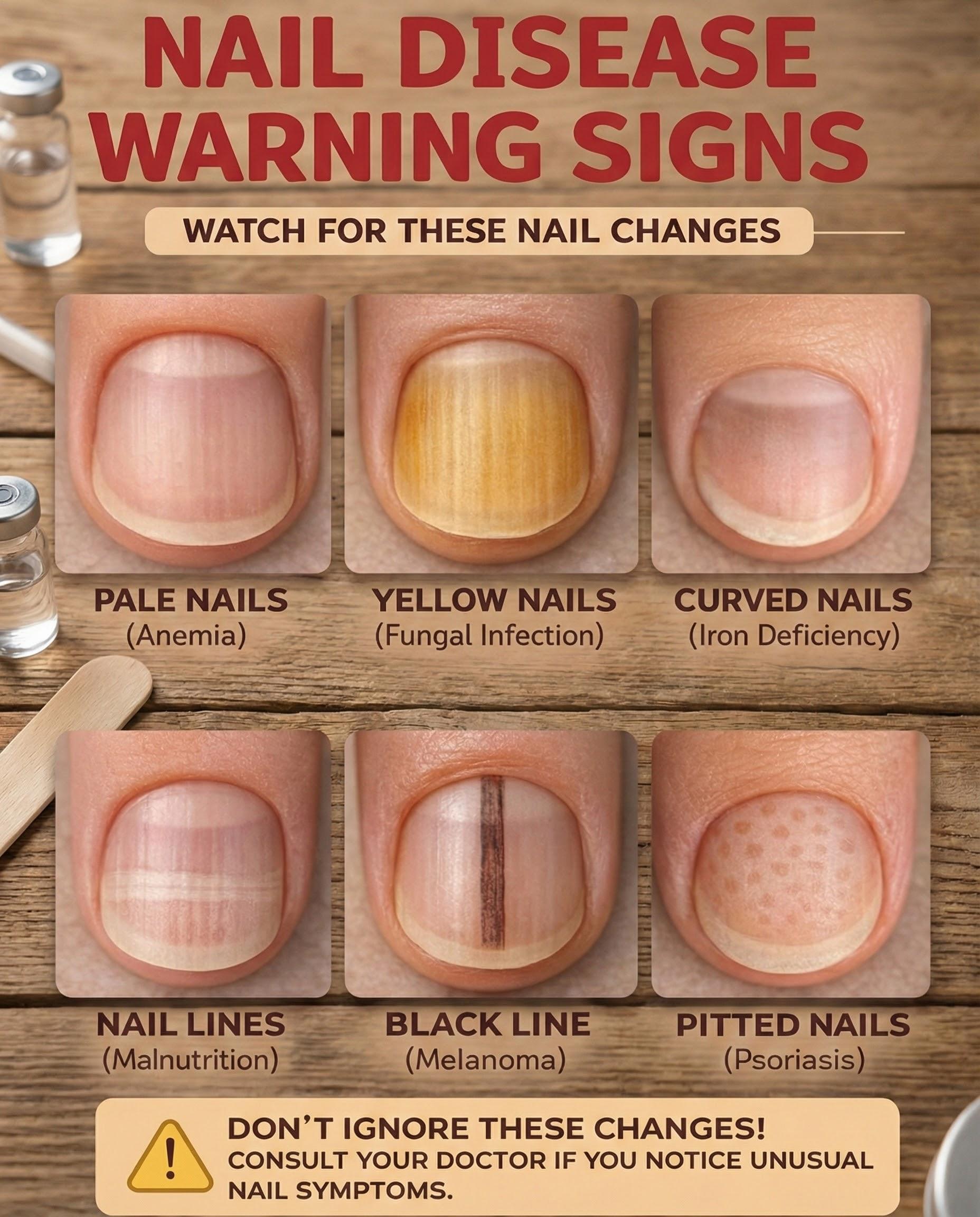
What Do Healthy Nails Typically Look Like?
Before spotting changes, it’s helpful to know the basics of strong, resilient nails. Healthy nails are usually:
- Smooth and even in texture, without deep ridges or dents
- Consistent in color, often with a natural pinkish tone in the nail bed
- Firm but flexible, not brittle or overly soft
- Evenly shaped, with a gentle curve
Studies from sources like the American Academy of Dermatology note that nails reflect overall nutrition and habits. Small variations are normal, especially with age, but sudden or persistent shifts deserve a closer look.
Pale or Whitish Nails: A Possible Clue to Low Oxygen Circulation
Pale nails, where the nail bed looks lighter than usual, can feel concerning when you notice them in the mirror. This change sometimes links to reduced red blood cell efficiency, affecting how oxygen reaches tissues.
Research, including insights from Cleveland Clinic and Mayo Clinic, shows pale nails may appear in cases of anemia, where iron levels play a role in hemoglobin production.
Simple steps to support healthier nails:
- Include iron-rich foods like leafy greens, beans, and lean proteins
- Pair them with vitamin C sources (citrus, bell peppers) for better absorption
- Stay hydrated and protect hands from harsh soaps
If paleness persists, consulting a healthcare professional can provide personalized guidance.
Yellow Nails: Often Tied to Everyday Exposures or Infections
Yellowing nails can be stubborn and embarrassing, especially under polish. This discoloration frequently stems from fungal growth, prolonged polish use, or environmental factors.
According to Healthline and dermatology reviews, fungal issues are common culprits, thriving in moist environments.
Habits to encourage natural nail recovery:
- Keep nails dry and clean, especially after swimming or gardening
- Allow “breathing” periods without polish
- Choose breathable footwear to reduce moisture buildup
Persistent yellowing warrants a professional check, as early attention helps.

Curved or Spoon-Shaped Nails: Exploring Shape Changes
When nails curve upward like a spoon (koilonychia), it can surprise you during routine trimming. This shape alteration is often associated with iron deficiency, impacting nail structure over time.
Medical sources like Cleveland Clinic confirm spoon-shaped nails as a classic sign in some iron-related cases.
Daily tips for stronger nail growth:
- Incorporate iron-boosting options such as spinach, lentils, and fortified grains
- Add variety with nuts and seeds for supporting nutrients
- Gently file edges to maintain even shape
Monitoring shape changes over weeks helps track improvements.
Horizontal Lines or Ridges: Signals of Temporary Growth Pauses
Horizontal lines (Beau’s lines) across nails can appear after stress or illness, creating uneven texture that’s hard to ignore.
Harvard Health and other studies link these to interruptions in nail growth from factors like malnutrition or recovery periods.
Ways to promote smooth regrowth:
- Focus on balanced meals with proteins, vitamins, and minerals
- Manage stress through rest and gentle routines
- Avoid picking at nails to prevent further disruption
Lines often grow out naturally, but recurring ones merit discussion with a doctor.
Here’s a quick comparison of common ridge types:
| Type of Ridge/Line | Appearance | Possible Common Links |
|---|---|---|
| Horizontal (Beau’s lines) | Deep grooves across nail | Illness, stress, nutrient gaps |
| Vertical | Lengthwise shallow lines | Aging, dehydration |
| Pitted dents | Small pinprick holes | Skin conditions like psoriasis |
Pitted or Dented Nails: Texture Changes to Note
Tiny pits or dents make nails feel rough and uneven, affecting polish application or confidence in bare hands.
The American Academy of Dermatology associates pitting with psoriasis or inflammatory responses in many cases.
Gentle care routines for textured nails:
- Moisturize cuticles daily with natural oils
- Use a soft buffer sparingly for smoothness
- Protect hands with gloves during chores
Texture improvements can take time, but consistent care helps.
Dark Vertical Lines: Why Prompt Attention Matters Most
A single dark streak running lengthwise on one nail stands out immediately—and for good reason. While many lines are benign, a persistent or widening dark band can rarely signal subungual melanoma.
Reputable sources like WebMD and the AAD emphasize that changes in width, color, or extension to surrounding skin require urgent evaluation.
Key observations to track:
- Does the line affect only one nail?
- Has it grown wider or darker over time?
- Any accompanying nail lifting or pain?
This is the insight worth scrolling for: never delay checking unusual dark lines, as early professional review makes all the difference.

Everyday Habits to Support Stronger Nails Overall
Small, consistent actions add up for noticeable resilience:
- Eat a rainbow of fruits, vegetables, and whole foods for essential nutrients
- Trim nails straight across and file gently
- Wear gloves for wet or chemical tasks
- Limit harsh removers and give nails polish-free breaks
- Stay active to support circulation
Research shows balanced nutrition and protection go far in maintaining nail integrity.
Conclusion: Listening to Your Body Through Small Signs
Nails offer a simple, visible way to tune into health patterns. From pale tones to dark lines, these six changes highlight opportunities for better self-care. By adopting supportive habits and noting persistent shifts, you take proactive steps toward feeling your best.
And that final tip? Regular self-checks—combined with professional input when needed—turn potential worries into manageable insights.
Frequently Asked Questions
How long does it take for nail changes to grow out?
Nails grow about 3mm per month, so visible improvements often take 3-6 months as new growth emerges.
Can diet alone improve nail health?
A nutrient-rich diet supports strength and appearance, but underlying factors may need additional attention from a healthcare provider.
Are nail changes always serious?
Most are harmless and tied to habits or aging, but new or worsening signs benefit from professional evaluation.
Disclaimer: This article is for informational purposes only and not a substitute for medical advice. Unusual nail changes should prompt consultation with a qualified healthcare professional for proper assessment.
(Word count: 1,428)


