
Many women experience intense period pain, chronic fatigue, or unexplained discomfort that disrupts daily life, often dismissing it as “normal.” This suffering can last for years due to limited awareness and delayed recognition of underlying issues. The frustration builds when simple activities become challenging, affecting work, relationships, and overall well-being. But gaining knowledge about this common condition can empower you to take meaningful steps toward better management and support.
In this guide, you’ll discover essential information about endometriosis, including common signs, contributing factors, and practical lifestyle approaches that many women find helpful. Stick around until the end for surprising everyday habits that research suggests may support symptom relief in unexpected ways.
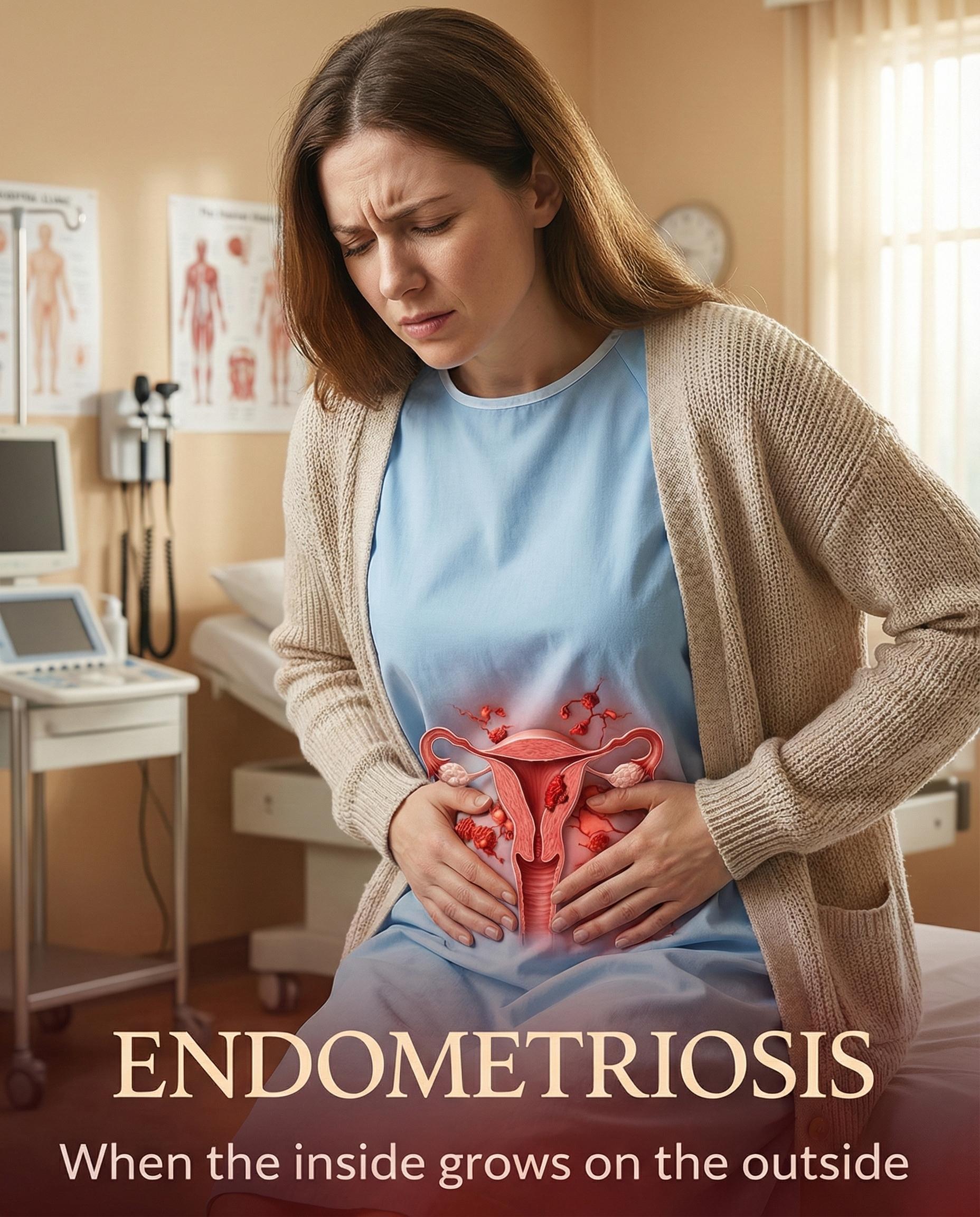
Understanding Endometriosis: A Closer Look
Endometriosis occurs when tissue similar to the lining of the uterus grows outside the uterus, commonly on the ovaries, fallopian tubes, or pelvic lining. This tissue responds to hormonal changes during the menstrual cycle, thickening, breaking down, and bleeding. Unlike normal menstrual flow, this material has no easy exit, leading to inflammation, irritation, and potential scar tissue over time.
Studies from organizations like the World Health Organization indicate that endometriosis affects approximately 10% of reproductive-age women globally—that’s around 190 million individuals. It can begin as early as the first period and continue until menopause, impacting people regardless of background.
But that’s not all—symptoms vary widely, and some women remain symptom-free while others face significant challenges.
Recognizing Common Signs and Experiences
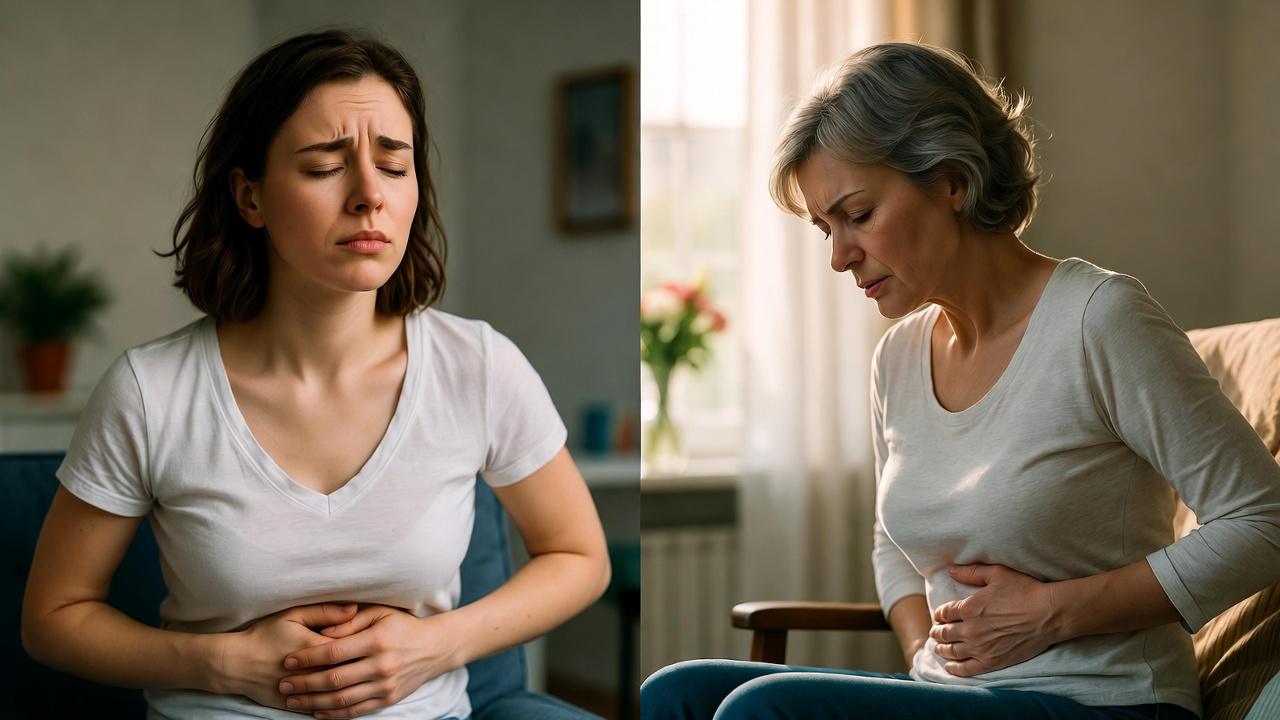
The hallmark of endometriosis is often pain, which can feel different for everyone. Here’s what many women report:
- Severe menstrual cramps that begin days before the period and linger afterward
- Ongoing pelvic or lower back discomfort throughout the month
- Pain during or after intimacy
- Heavy periods or spotting between cycles
- Digestive changes like bloating, diarrhea, or constipation around menstruation
- Persistent fatigue that worsens during cycles
- Challenges with fertility in some cases
Research shows that up to 30-50% of women with endometriosis may face fertility difficulties, often due to inflammation or adhesions affecting reproductive structures. The good news? Many still achieve pregnancy naturally or with assistance.
These signs can overlap with other conditions, which is why awareness matters so much.
Exploring Possible Contributing Factors
The precise origins of endometriosis remain under investigation, but several elements appear to play a role:
- Retrograde menstruation, where menstrual blood flows backward into the pelvic area
- Genetic predisposition—if a close family member has it, your risk may increase
- Immune system responses that don’t fully clear misplaced tissue
- Estrogen’s influence in promoting tissue growth
Importantly, endometriosis isn’t linked to personal choices or preventable through lifestyle alone. It’s a complex condition influenced by multiple factors.
How Professionals Approach Identification
Identifying endometriosis often starts with a thorough discussion of your history and symptoms. Healthcare providers may perform pelvic exams and recommend imaging like ultrasound or MRI to visualize potential areas of concern.
In many cases, a minimally invasive procedure called laparoscopy provides the most definitive view. Early conversations with a knowledgeable provider can make a big difference in understanding your experience.
Navigating Fertility Considerations
Endometriosis is recognized as one of the more common contributors to fertility challenges. Inflammation and scar tissue can sometimes affect egg release, fertilization, or implantation.
However, plenty of women with endometriosis build families successfully. Options like timed conception, fertility monitoring, or assisted approaches can help when needed. Consulting a specialist early opens more pathways.
Everyday Approaches to Symptom Support
While no single solution fits everyone, many women explore ways to ease daily discomfort. Here’s a breakdown of commonly discussed options:
Pain management basics
- Over-the-counter options like NSAIDs for occasional relief
- Heat therapy or gentle movement to soothe tension
- Restorative practices like yoga or walking to reduce stress
Hormonal considerations
Healthcare professionals often discuss options that regulate cycles and influence estrogen exposure, such as certain contraceptives.
Movement and rest
Regular, gentle activity supports overall wellness, while prioritizing sleep helps combat fatigue.
This is the interesting part—small, consistent changes in daily routines often provide the most noticeable support over time.
The Potential Role of Nutrition in Daily Comfort
Emerging research suggests diet may influence inflammation and hormone balance, though more studies are needed. Evidence points to these patterns that many find helpful:
- Increase fiber-rich foods like vegetables, fruits, whole grains, and legumes to support hormone regulation
- Incorporate anti-inflammatory options such as fatty fish (for omega-3s), nuts, seeds, and olive oil
- Limit highly processed items, excessive red meat, and trans fats, which some studies link to higher inflammation
Plant-focused eating patterns, rich in antioxidants, show promise in supporting comfort. Track what works for you—keeping a simple food journal can reveal personal patterns.
Here are practical steps to experiment safely:
- Add one extra serving of vegetables to each meal
- Swap processed snacks for fruit and nuts
- Stay hydrated and note any changes in bloating
- Discuss major shifts with a healthcare provider or nutrition expert
Remember, nutrition supports overall health but works best alongside professional guidance.

Building a Supportive Lifestyle
Living with endometriosis means listening to your body and seeking community. Connect with others who understand, whether through online groups or local networks. Prioritize stress management—techniques like mindfulness or journaling can shift how discomfort feels.
Advocating for yourself during medical visits empowers better outcomes. You’re not alone, and sharing experiences raises awareness for everyone.
Wrapping It Up: Empowerment Through Knowledge
Endometriosis is a widespread condition that deserves attention, understanding, and compassionate care. By recognizing signs early, exploring management options, and making thoughtful daily choices, many women improve their quality of life. Knowledge truly changes everything—share this with someone who might need it.
Frequently Asked Questions
How long does it typically take to recognize endometriosis?
Many women experience symptoms for years before identification, often 7-10 years on average, due to overlapping signs with other issues.
Can lifestyle changes make a difference?
Yes—gentle movement, stress reduction, and mindful nutrition support overall well-being and may ease daily experiences for some.
Is endometriosis the same for everyone?
No—symptoms range from mild to severe, and experiences vary widely based on individual factors.
Disclaimer: This article is for informational purposes only and not a substitute for professional medical advice. Always consult a qualified healthcare provider for personalized guidance regarding your health concerns.


