
Many adults quietly worry about their heart health as they get older, noticing subtle changes like lower energy or unexpected checkup results. These concerns often build over time, especially when daily routines leave little room for big lifestyle shifts, making it feel harder to stay on top of things. The good news is that one simple, natural habit from your kitchen might offer meaningful daily support.
And the most surprising part? The real benefits come from how you prepare and eat it. Keep reading to discover exactly why.
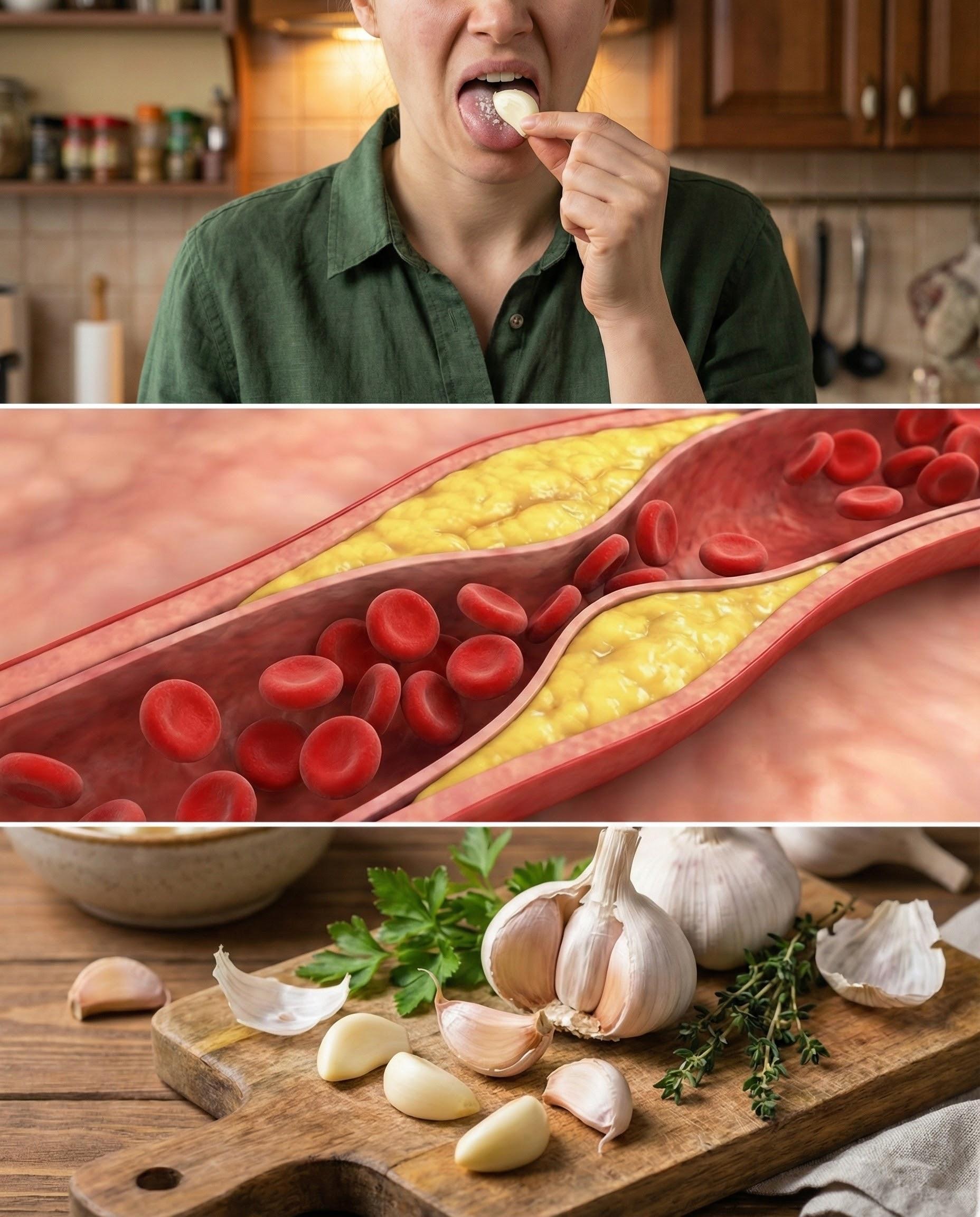
Why Raw Garlic Stands Out for Daily Wellness
Garlic has been part of traditional diets for centuries, valued for its strong flavor and natural compounds. What makes raw garlic special is a compound called allicin, which forms only when a fresh clove is crushed or chopped and exposed to air.
Heat from cooking significantly reduces allicin, so raw consumption preserves more of these active sulfur compounds. Research, including reviews published in journals like the Avicenna Journal of Phytomedicine, suggests these compounds may support various aspects of cardiovascular health.
The key difference lies in that sharp, pungent release you notice right away. It’s a sign the beneficial elements are at their peak.
How to Unlock the Full Potential of Raw Garlic
Timing and preparation matter more than most people realize.
Here’s a simple step-by-step routine to get started:
- Choose fresh, firm bulbs with tight skin.
- Peel one or two cloves (start with one if you’re new to this).
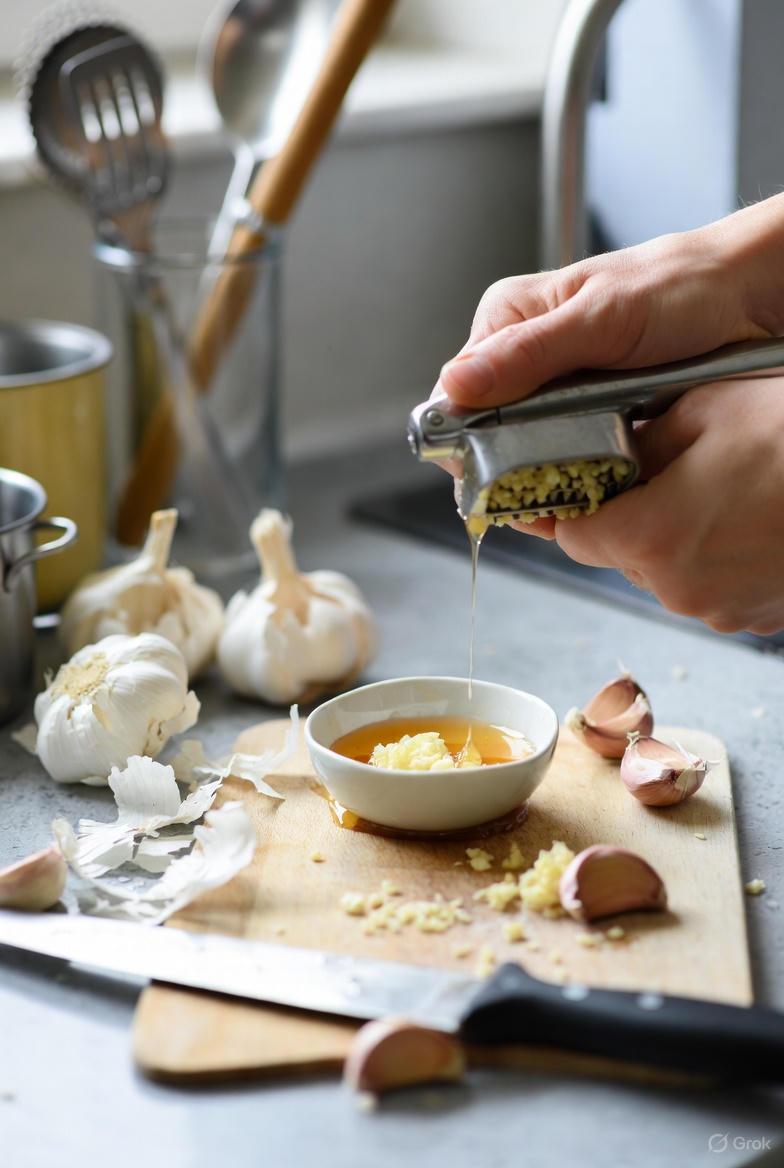
- Crush or finely chop the cloves using a knife or garlic press.
- Let them sit exposed to air for 10-15 minutes. This waiting period allows allicin to fully develop.
- Eat on an empty stomach in the morning, either alone or mixed with a little honey, yogurt, or in a small salad.
This small extra step makes a noticeable difference, according to studies on allicin stability.
But that’s not all. Consistency over weeks tends to bring the most encouraging feedback from people who try it.
Potential Ways Raw Garlic May Support Heart Health
Science has explored garlic’s effects for decades. Here are some areas where research shows promise:
- Healthy cholesterol balance: Multiple meta-analyses, including one in the Journal of Nutrition, indicate that regular garlic intake may help maintain already normal LDL and total cholesterol levels in adults.
- Blood pressure support: Clinical trials suggest a modest supportive effect on blood pressure, especially when consumed regularly over 8-12 weeks.
- Antioxidant activity: Sulfur compounds act as antioxidants, helping protect cells from daily oxidative stress that affects blood vessels.
- Blood flow and circulation: Some studies point to improved endothelial function, which lines the inside of arteries.
Individual results vary widely, and garlic works best alongside a balanced diet and active lifestyle.
Everyday Ways to Make Raw Garlic More Enjoyable
The strong taste can feel intense at first. Here are practical tips that many people find helpful:
- Mix crushed garlic with raw honey for a sweeter, soothing combination.
- Add it to fresh avocado or guacamole for a creamy texture.
- Stir into plain Greek yogurt with a pinch of salt and herbs.
- Chop finely and sprinkle over a small morning salad with olive oil and lemon.
- Follow with a glass of milk or chew fresh parsley to freshen breath naturally.
Start small and build up gradually. Most people adjust to the flavor within a week or two.
Quick Comparison: Raw vs. Cooked vs. Supplements
| Approach | Active Compounds | Flavor Intensity | Convenience | Best For |
|---|---|---|---|---|
| Raw garlic | Highest allicin | Strong | Moderate | Maximum natural potency |
| Cooked garlic | Reduced allicin | Mild | High | Everyday meals |
| Garlic supplements | Varies by brand | None | Very high | Consistency without taste |
Raw offers the most direct access to fresh compounds, while supplements provide standardization. Many people combine both approaches.
What Research Says About Safety and Side Effects
Raw garlic is generally safe for most healthy adults in food amounts. Common mild side effects include:
- Temporary breath or body odor
- Mild stomach discomfort, especially when starting
- Heartburn in sensitive individuals
People taking blood-thinning medications or preparing for surgery should consult their doctor first, as garlic can have mild blood-thinning properties.
Starting with smaller amounts and eating with food can minimize digestive upset.
Real Experiences from People Who Tried It
Many readers share that after adding one raw clove most mornings, they noticed steadier energy and felt more proactive about their wellness routine. Lab results sometimes reflect positive changes, but everyone responds differently.
The common thread? Feeling more in control through a simple daily choice rather than waiting for bigger interventions.
Building a Sustainable Morning Habit
Success comes from making it effortless:
- Keep garlic bulbs on the counter for easy access.
- Prepare the night before if mornings are rushed.
- Pair the habit with an existing routine, like making coffee.
- Track how you feel weekly to stay motivated.
- Adjust amounts based on your comfort level.
Small adjustments lead to lasting routines.
Final Thoughts: A Simple Habit Worth Exploring
Adding raw garlic to your morning routine offers an accessible way to support overall wellness naturally. While it won’t replace medical advice or healthy fundamentals like movement and balanced eating, many find it a meaningful addition.
The biggest takeaway? Preparation matters. That 10-minute wait after crushing unlocks what makes raw garlic unique.
Start tomorrow with just one clove and see how it feels for you.
Frequently Asked Questions
Is it safe to eat raw garlic every day?
Yes, in moderate amounts (1-2 cloves) for most healthy adults. Start slowly and listen to your body.
When is the best time to eat raw garlic?
Many people prefer first thing in the morning on an empty stomach, but consistency matters more than exact timing.
How much raw garlic should I eat daily?
Begin with one clove and work up to two if tolerated well. More isn’t necessarily better.
Disclaimer: This article is for informational purposes only and is not intended to diagnose, treat, cure, or prevent any disease. The information presented is based on available research and traditional use. Always consult your healthcare provider before making changes to your diet or wellness routine, especially if you have existing health conditions or take medications. Individual results may vary.


