
Many people notice their energy dipping as the years pass, joints feeling stiffer in the morning, and recovery taking longer after busy days. These changes often creep in quietly, making everyday activities feel heavier than before. Yet in Japan, home to the world’s highest number of centenarians, older adults including practicing doctors maintain remarkable sharpness and strength well into their 80s and 90s. The encouraging part? Much of this vitality ties back to simple, everyday food choices that anyone can explore.

Why Traditional Japanese Eating Habits Stand Out
Japan consistently ranks at the top for life expectancy and healthy years lived. Research, including large cohort studies like the Japan Public Health Center Study, points to dietary patterns playing a major role alongside moderate activity and social connections.
The traditional approach emphasizes whole foods, balanced portions, and mindful enjoyment. It avoids extremes and focuses on harmony. Best of all, these habits fit easily into modern life without feeling restrictive.
But what exactly do these long-lived individuals, including experienced physicians, include in their daily meals?
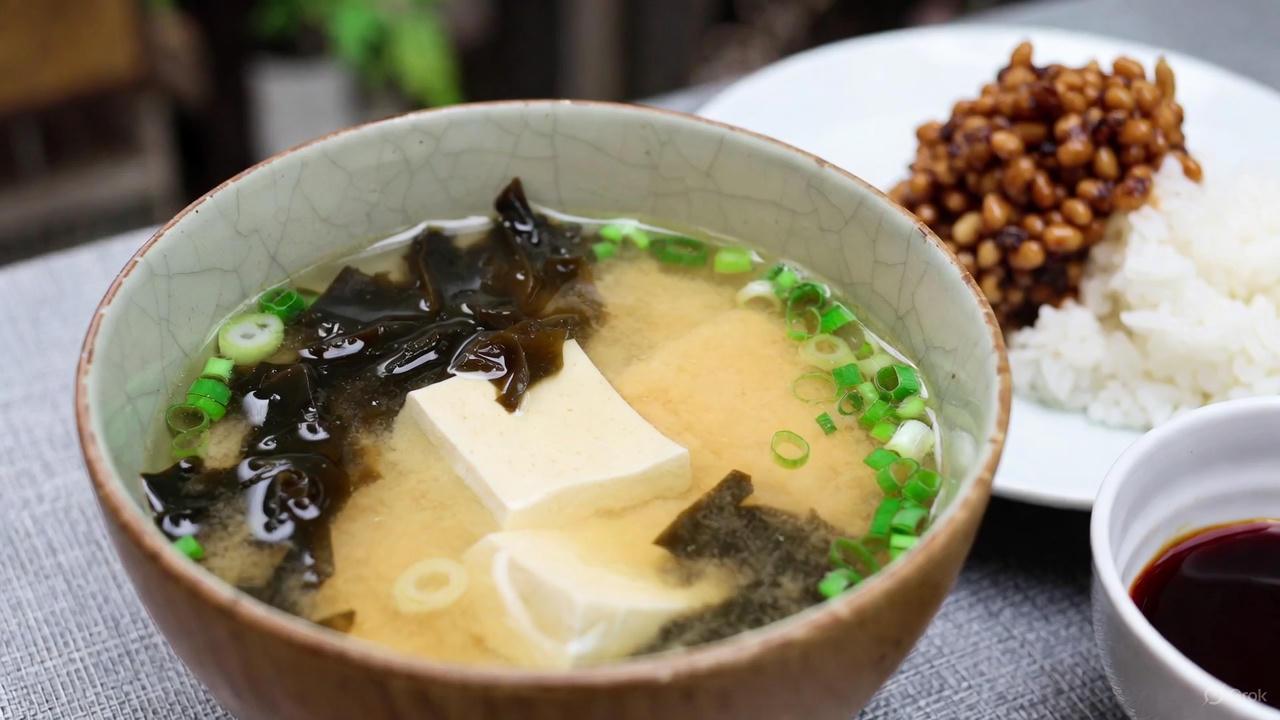
1. Starting the Day with Warm Miso Soup
A steaming bowl of miso soup is a morning staple for many Japanese elders. Made from fermented soybean paste diluted in hot water, it often includes soft tofu cubes, wakame seaweed, and sliced green onions.
Fermentation creates natural probiotics that support gut health. Studies suggest a balanced gut microbiome links to better immunity and steady energy.
Many older doctors credit this light, warming start for keeping digestion comfortable throughout the day.
Pro tip: Keep portions small and sip slowly to feel the gentle nourishment.
2. Embracing Natto for Breakfast
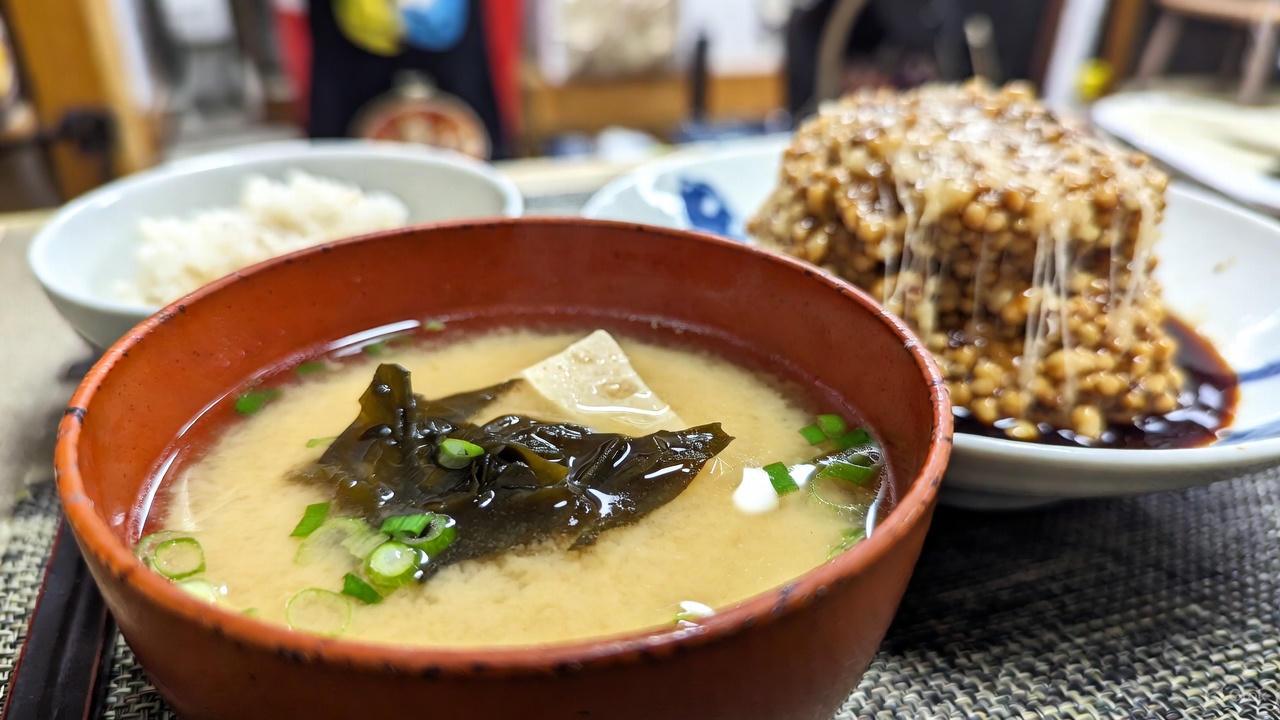
Natto, fermented soybeans with a distinctive sticky texture and strong aroma, appears regularly on breakfast tables. It’s usually stirred with soy sauce and mustard and served over rice.
Rich in vitamin K2 and a unique enzyme called nattokinase, natto supports bone density and cardiovascular wellness. Population studies in Japan associate regular consumption with favorable heart health markers.
While the smell takes getting used to, those who enjoy it rarely skip it.
This is part of the beauty: simple foods delivering concentrated nutrients.
3. Drinking Green Tea Throughout the Day
Green tea flows freely from morning to evening. Varieties like sencha, genmaicha, or matcha provide catechins, powerful antioxidants.
Research published in journals like the American Journal of Clinical Nutrition links regular green tea intake to lower oxidative stress and supported metabolic function.
Older physicians often replace multiple coffee cups with green tea for calm, sustained focus without jitters.
Try brewing loose leaves for fuller flavor and deeper relaxation.
4. Including Grilled or Steamed Fish Regularly
Fish such as mackerel, sardines, salmon, or sea bream features several times a week, often simply grilled with a touch of salt.
These oily fish supply omega-3 fatty acids EPA and DHA, which studies connect to heart and brain support.
Japan’s lower rates of certain cardiovascular issues compared to many Western countries partly reflect this dietary pattern.
Small portions keep meals light yet satisfying.
5. Adding Seaweed to Almost Every Meal
Sheets of nori, strands of wakame, or pieces of kombu bring umami depth and essential minerals like iodine, magnesium, and calcium.
Iodine supports thyroid function, while other minerals contribute to bone strength. Seaweed’s natural saltiness means less added sodium overall.
It’s incredibly versatile: wrapped around rice, floated in soup, or sprinkled as seasoning.
Here’s a quick look at common seaweed types:
- Wakame: Soft texture, perfect for miso soup
- Kombu: Used to flavor broths
- Nori: Crisp sheets for snacks or sushi
- Hijiki: Earthy flavor in salads
6. Relying on Rice as a Gentle Energy Base
Plain steamed white or brown rice forms the foundation of many meals. It provides steady carbohydrates without sharp blood sugar swings.
Paired with vegetables, protein, and soup, rice creates natural balance. The traditional practice of “hara hachi bu” — eating until 80% full — helps maintain comfortable portions.
This mindful approach supports healthy weight over decades.
7. Prioritizing Seasonal and Local Produce
Menus shift with the seasons: cooling cucumbers and tomatoes in summer, warming root vegetables and mushrooms in winter.
Eating what’s fresh ensures variety and peak nutrient content. Farmers’ markets remain popular even among busy professionals.
This habit keeps meals interesting and bodies adaptable.
Practical Ways to Incorporate These Habits at Home
Ready to try some changes? Start small for lasting results:
- Replace one daily drink with unsweetened green tea
- Add a small bowl of miso soup (instant packets work fine) to breakfast or dinner
- Include fish twice a week — baked salmon or canned sardines count
- Experiment with roasted seaweed snacks instead of chips
- Practice stopping when you feel about 80% full
These steps require minimal effort but compound over time.
Comparing Key Foods in the Japanese Pattern
| Food | Main Nutrients | Common Use | Why It Fits Daily Routine |
|---|---|---|---|
| Miso Soup | Probiotics, minerals | Breakfast or dinner starter | Light and warming |
| Green Tea | Catechins, L-theanine | Throughout the day | Hydrating and calming |
| Grilled Fish | Omega-3s, high-quality protein | Lunch or dinner main | Satisfying yet lean |
| Seaweed | Iodine, magnesium, calcium | Soups, salads, snacks | Adds flavor and minerals |
| Natto | Vitamin K2, probiotics | Breakfast topping | Concentrated nutrition |
| Rice | Complex carbohydrates | Base of most meals | Steady energy source |
The Role of Mindful Eating
Beyond food choice, how meals are enjoyed matters. Many Japanese elders eat slowly, appreciating flavors and textures without distractions.
This practice aids digestion and naturally regulates portions. Sharing meals with family or colleagues also strengthens social bonds, another factor linked to wellbeing.
Conclusion: Small Choices, Meaningful Impact
The eating patterns of Japan’s long-lived doctors and centenarians center on whole, minimally processed foods enjoyed mindfully. Balance, variety, and gratitude define the approach rather than strict rules.
By gradually incorporating some of these habits — a cup of green tea, a piece of fish, a mindful pause — you may notice steadier energy and greater ease in daily life.
Every positive change counts.
Frequently Asked Questions
What makes Japanese breakfast different from Western ones?
Traditional Japanese breakfast often includes miso soup, rice, grilled fish, pickled vegetables, and green tea — focusing on savory, nutrient-dense foods rather than sweet items.
Can I follow these habits if I don’t live in Japan?
Absolutely. Most ingredients like miso paste, green tea, seaweed, and fatty fish are widely available in supermarkets or online.
How much green tea is reasonable daily?
Most studies showing benefits involve 2–4 cups per day. Listen to your body and stay hydrated.
This article is for informational purposes only and does not constitute medical advice. Please consult your healthcare provider before making significant dietary changes.


