For many people, weeks, months, or even years can pass without sexual activity—whether by choice, circumstance, or life simply getting in the way. At first it might not feel like a big deal, but quietly, almost without notice, your hormones shift, your mood changes, and even your immune system starts sending subtle signals. The truth is, regular intimacy does far more for your overall health than most of us realize… and the absence of it can create ripple effects that surprise you.
Keep reading, because by the end of this article you’ll discover a few simple, everyday habits that can help your body stay balanced—even during long dry spells.
1. Your Libido May Gradually Fade (And That’s Normal)
Sexual desire isn’t static. It responds to what you “feed” it. When intimacy stops, levels of testosterone (in both men and women) and dopamine can slowly decline. Studies, including one published in the Archives of Sexual Behavior, show that people who go long periods without sexual activity often report lower desire over time.
But here’s the interesting part: the drop isn’t permanent. Desire tends to rebound once activity resumes.
2. Stress Can Feel Harder to Shake Off
Sex is one of nature’s best stress-relief tools. During intimacy and orgasm, your brain releases endorphins and oxytocin—hormones that directly lower cortisol (the main stress hormone). Without that natural outlet, many people notice they feel more on edge, irritable, or overwhelmed by daily hassles.
Research from the Journal of Sexual Medicine confirms that sexually active individuals tend to handle stress better than those who are abstinent for long periods.
3. Sleep Might Become Less Restful
Ever notice how easy it is to fall asleep after intimacy? There’s science behind that cozy feeling. Orgasm triggers a surge of prolactin and oxytocin while reducing cortisol—creating the perfect recipe for deep, restorative sleep.
When that ritual disappears, some people find themselves staring at the ceiling longer or waking up more often during the night.
4. Emotional Connection in Relationships Can Quietly Weaken
Physical touch isn’t just nice—it’s biologically bonding. Regular skin-to-skin contact increases oxytocin, the same hormone that helps mothers bond with babies. Without it, couples sometimes drift apart emotionally even when everything else seems “fine.”
Small, non-sexual touches (hugs, cuddles, hand-holding) become even more important during dry spells to keep that connection alive.

5. Self-Confidence Can Take an Unexpected Dip
Feeling desired is a powerful confidence booster. When intimacy fades, some people start wondering, “Am I still attractive?”—even if the lack of sex has nothing to do with looks or desirability.
Over time, this quiet self-doubt can affect mood, posture, and even social interactions.
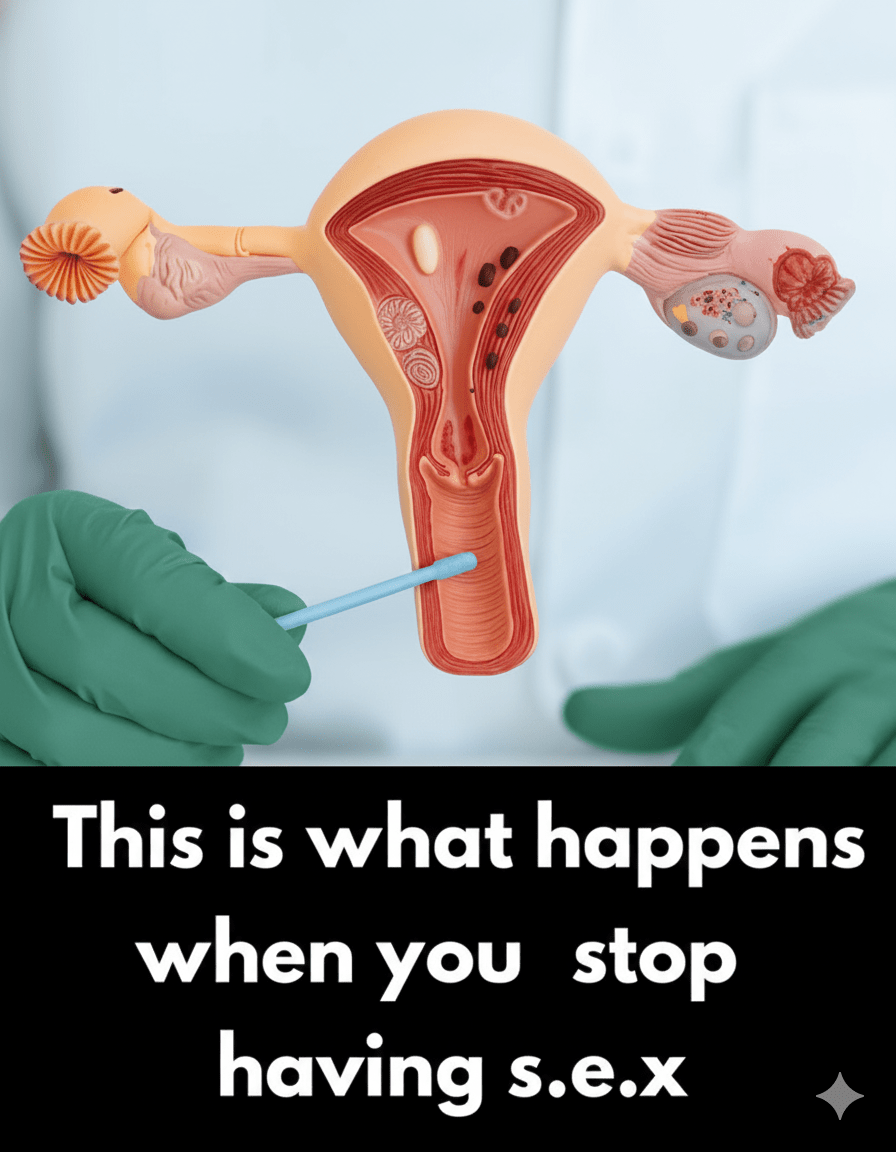
6. Women May Notice Physical Changes “Down There”
For women, regular sexual activity helps maintain vaginal tissue health, natural lubrication, and elasticity. Extended periods without stimulation can lead to dryness or discomfort when intimacy resumes.
The good news? These changes are usually reversible with gradual resumption of activity, proper hydration, and sometimes a good moisturizer or lubricant.
7. Men’s Prostate Health: What the Research Says
Multiple studies, including a famous one from Harvard that followed nearly 32,000 men for 18 years, found that frequent ejaculation (about 21 times per month) was linked to a lower risk of prostate cancer later in life.
While abstinence itself isn’t dangerous, regular release appears to offer a protective effect for many men.
8. Your Immune System Loses a Small (But Real) Helper
Sexual activity has been shown to temporarily boost levels of immunoglobulin A (IgA)—an antibody that helps fight off colds and infections at the mucous membranes (nose, throat, etc.).
A classic study from Wilkes University in Pennsylvania found that people who had sex once or twice a week had 30% higher IgA levels than those who were abstinent or overly active.
9. You Might Feel More “Disconnected”—From Yourself and Others
Intimacy isn’t just about pleasure; it’s a form of self-care and communication. When it’s missing, some people describe feeling “out of touch” with their own body or more distant from their partner—even if they still love each other deeply.
Simple Habits That Help Your Body Stay Balanced During Dry Spells
The best part? You don’t have to “force” intimacy to keep many of these benefits. Here are evidence-based ways to support your hormones, mood, and connection naturally:
- Exercise regularly (especially strength training and HIIT) → boosts testosterone and endorphins
- Prioritize daily skin-to-skin contact → long hugs (20+ seconds), massages, cuddling pets or partners
- Practice stress management → meditation, deep breathing, yoga
- Get morning sunlight → regulates cortisol and melatonin
- Eat zinc- and magnesium-rich foods → pumpkin seeds, spinach, dark chocolate, almonds
- Stay socially connected → laughter and meaningful conversation also raise oxytocin
- Consider self-pleasure if it feels right → maintains tissue health and hormone response

Final Thoughts
Going without sex for a while won’t ruin your health—and for some people, abstinence is a positive, intentional choice. But understanding how intimacy quietly supports your hormones, mood, sleep, immunity, and relationships can help you make more informed decisions about your well-being.
Whether you’re currently in a dry spell or just curious, small daily habits can go a long way toward keeping your body and mind feeling balanced.
Frequently Asked Questions
Is it bad for your health to go a long time without sex? Not inherently. The body adapts. Negative effects usually only appear when the lack of intimacy causes stress or emotional distress.
Can you get your libido back after it drops? Yes, almost always. Desire often returns naturally once sexual activity (or even flirtation and touch) resumes.
Are there any real benefits to abstinence? Many people report clearer focus, more energy for personal goals, or deeper spiritual connection during periods of abstinence. It’s highly individual.
Disclaimer: This article is for informational purposes only and is not a substitute for professional medical advice. Always consult your healthcare provider for personal health concerns.