
Many people enjoy a daily cup of herbal tea as part of their routine, seeking natural ways to support overall wellness. Guava leaf tea, made from the leaves of the common guava tree, has been used in traditional practices for generations. But what happens when you make it a regular habit? Keep reading to discover some interesting insights from research—and a surprising tip at the end that ties it all together.

Why Guava Leaves Are Worth Paying Attention To
Guava leaves are packed with natural compounds like flavonoids, including quercetin, and other polyphenols. These elements give the leaves their earthy flavor and have caught the attention of researchers.
Studies suggest these compounds act as antioxidants, helping neutralize free radicals in the body. For instance, lab and animal research highlights quercetin’s role in supporting cellular health.
But that’s just the start. Here’s something intriguing: many overlook that guava leaves often contain higher levels of these beneficial compounds than the fruit itself.
Potential Ways Guava Leaf Tea May Support Your Daily Wellness
Research on guava leaf tea points to several areas where it might make a difference when enjoyed regularly. Here’s a closer look, backed by scientific insights.
Rich in Antioxidants for Everyday Protection
Antioxidants help combat oxidative stress, which plays a role in aging and various health concerns. Guava leaves are loaded with quercetin and other flavonoids.
Animal and lab studies show these compounds may support the body’s natural defenses against free radicals. One review noted guava leaves’ strong antioxidant potential compared to other plants.
This could contribute to a feeling of vitality over time. Curious how it stacks up? More on that soon.
May Help Maintain Healthy Blood Sugar Levels
One of the most studied areas is blood sugar support. Compounds in guava leaves appear to inhibit enzymes that break down carbohydrates into sugars.
Clinical trials in Japan, where guava leaf tea is approved as a food for specified health use, found that regular consumption helped reduce post-meal blood sugar spikes. Participants drinking it with meals saw noticeable improvements.
Animal studies also link it to better insulin sensitivity. If blood sugar balance is on your mind, this is a key area research highlights.

Supporting Digestive Comfort
Traditional uses often focus on digestion, and evidence backs this up. Guava leaf extracts have shown antimicrobial properties in lab tests, potentially helping with gut balance.
Studies on diarrhea treatment found positive effects, with tannins and flavonoids playing a role. Many report easier digestion and less bloating with regular tea.
Here’s a quick list of digestive perks research suggests:
- May soothe occasional stomach discomfort
- Supports regular bowel movements
- Antimicrobial action against common pathogens
- Helps with occasional bloating or cramps
Potential Benefits for Heart Health
Heart-friendly habits matter, and guava leaf tea shows promise here too. Some studies indicate it may help lower LDL cholesterol and triglycerides while supporting healthy blood pressure.
A review of trials noted improvements in lipid profiles with consistent use. Potassium and fiber-like compounds contribute as well.
This ties into overall circulation and reduced oxidative stress on blood vessels.
Easing Occasional Inflammation
Chronic low-level inflammation concerns many, and anti-inflammatory compounds like quercetin may help.
Lab research shows guava leaves calming inflammatory responses. Animal studies support reduced swelling and discomfort.
While not a replacement for lifestyle changes, it could complement them nicely.
Other Areas Research Is Exploring
Emerging studies touch on:
- Immune support from vitamin C and antioxidants
- Skin health through topical or internal use
- Weight management by curbing carb absorption
- Oral health with antimicrobial rinses
But remember, results vary, and more human trials are needed.
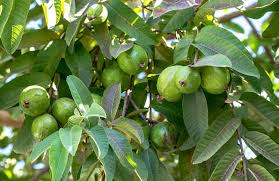
How to Make Guava Leaf Tea at Home: A Simple Guide
Ready to try it? It’s easy and uses fresh or dried leaves.
Step-by-step preparation:
- Gather 5-10 fresh guava leaves (or 1-2 teaspoons dried).
- Wash thoroughly under running water.
- Boil 2 cups of water.
- Add leaves and simmer for 10-15 minutes.
- Strain and enjoy warm (add honey or lemon if desired).
Start with 1-2 cups daily. Fresh leaves offer maximum potency, per some studies.
Tips for best results:
- Drink after meals for blood sugar support.
- Store dried leaves in a cool, dark place.
- Combine with a balanced diet for synergy.
Guava Leaf Tea vs. Other Herbal Options: A Quick Comparison
| Herbal Tea | Key Compounds | Main Research Focus | Taste Profile |
|---|---|---|---|
| Guava Leaf | Quercetin, polyphenols | Blood sugar, antioxidants, digestion | Earthy, slightly bitter |
| Green Tea | Catechins | Metabolism, heart health | Grassy |
| Chamomile | Apigenin | Relaxation, sleep | Floral, sweet |
| Ginger | Gingerol | Digestion, nausea | Spicy |
Guava stands out for its unique flavonoid profile.

Things to Keep in Mind: Safety and Side Effects
Guava leaf tea is generally well-tolerated in moderate amounts. Most studies report no serious issues with regular use.
However, some may experience mild stomach upset initially. It’s possibly safe short-term, but consult a doctor if pregnant, breastfeeding, or on medications (especially for blood sugar or pressure).
Excessive intake could lower blood sugar too much. Start slow and listen to your body.
Frequently Asked Questions
How many cups of guava leaf tea can I drink daily?
Most enjoy 1-3 cups. Research often uses amounts equivalent to that.
Can guava leaf tea help with weight loss?
Indirectly, by supporting blood sugar stability and digestion, but it’s not a standalone solution.
Is it safe for everyone?
Generally yes in food amounts, but check with a healthcare provider for personal concerns.
Final Thoughts
Incorporating guava leaf tea into your routine could offer a gentle, natural boost in areas like antioxidant support, digestion, and blood sugar balance—backed by promising research. Consistency matters most, alongside healthy habits.
And here’s that surprising tip: pairing it with a short daily walk may amplify its detox and circulation benefits, as movement enhances what the tea starts.
This article is for informational purposes only and is not intended to diagnose, treat, cure, or prevent any disease. Individual results vary. Always consult your healthcare provider before starting new routines, especially if you have health conditions or take medications.


