Many adults experience occasional respiratory discomfort, digestive upset, or skin irritation that can disrupt daily life. These common issues often stem from environmental factors, stress, or seasonal changes, leaving people searching for natural ways to feel more comfortable. But there’s a plant long used in traditional herbal practices that might offer interesting support—and we’ll uncover its lesser-known aspects toward the end.
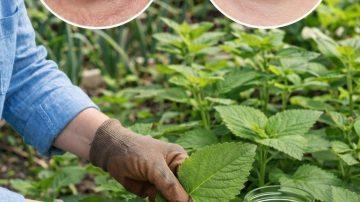
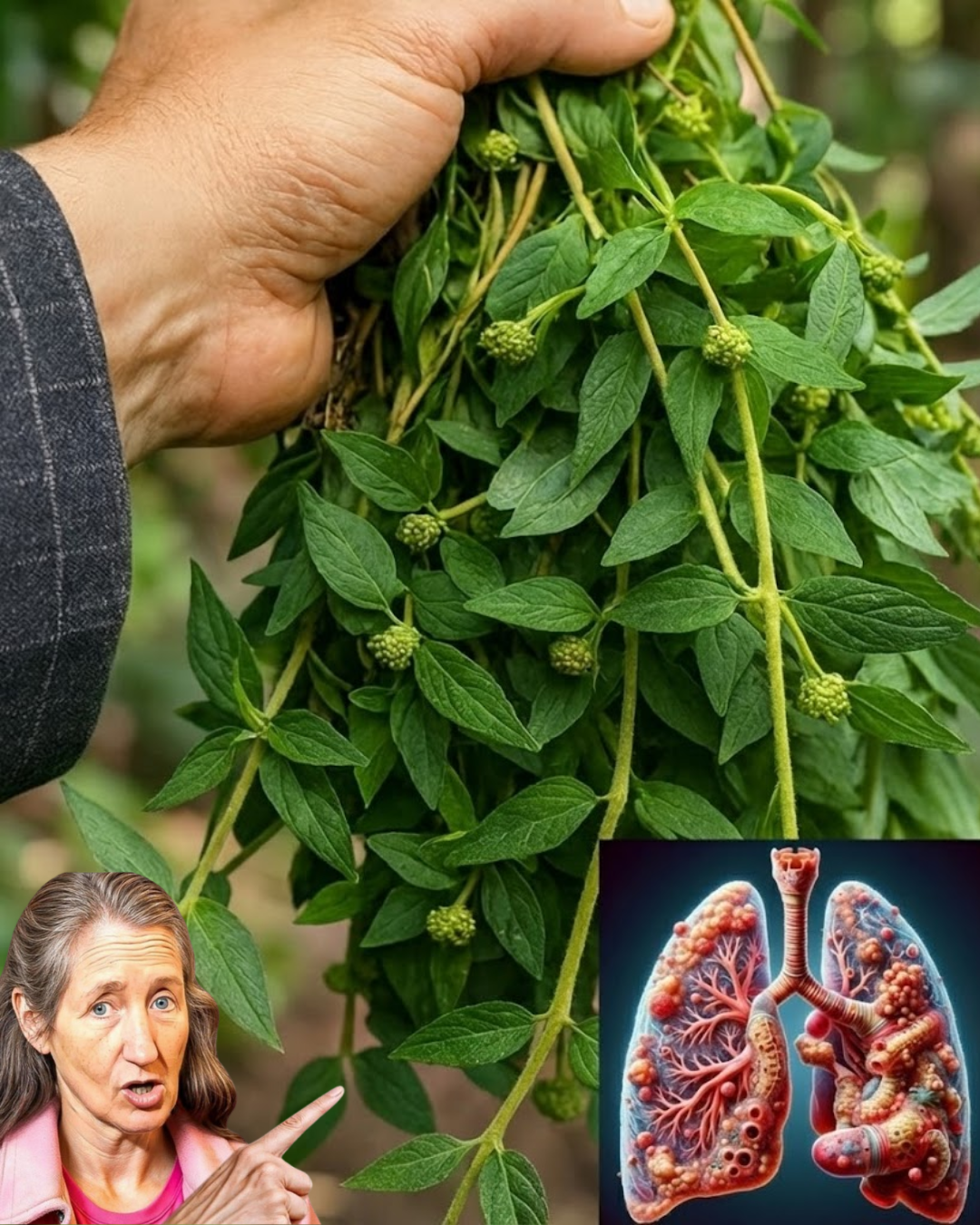
Euphorbia hirta, commonly known as asthma weed or snakeweed, is a small herbaceous plant found in tropical and subtropical regions worldwide. For centuries, various cultures have turned to its leaves, stems, and flowers in folk remedies. Modern interest stems from its rich phytochemical profile, including flavonoids, tannins, and polyphenols. Research suggests these compounds contribute to its traditional roles. Let’s explore six areas where this plant has been historically valued.
Traditional Support for Respiratory Comfort
In many traditional systems, Euphorbia hirta has been a go-to herb for breathing-related concerns. People in Asia and Africa often prepare it as a tea to soothe coughs, bronchitis, or seasonal allergies.
Studies, including reviews in Pharmacognosy Reviews, highlight its potential bronchodilator and anti-inflammatory effects in animal models. These properties may help relax airways and reduce irritation.
But that’s just the start—there’s more to how it supports everyday wellness.
Potential Aid for Digestive Balance
Occasional bloating, diarrhea, or intestinal discomfort can be frustrating. Traditionally, Euphorbia hirta has been used to promote gut health, particularly for issues like dysentery or mild parasites.
Preclinical research, such as studies published in BMC Complementary Medicine and Therapies, indicates anti-spasmodic and antimicrobial activities that may calm the digestive tract.
This makes it a popular choice in herbal teas for gentle support.
Here’s a quick look at common traditional preparations:
- Tea: Steep dried leaves for mild digestive relief
- Decoction: Boil whole plant parts for stronger effects
- Poultice: External use for related skin issues
The interesting part? Its versatility extends beyond the gut.
Promoting Skin Health Naturally
Skin irritations, minor wounds, or boils have long been addressed with Euphorbia hirta in folk medicine. The plant’s leaves are often crushed into a paste for topical application.
Animal studies, like those in BMC Research Notes, show potential wound-healing acceleration due to anti-inflammatory and antioxidant compounds.
These effects may help soothe irritated skin and support natural recovery.
Many users report a calming sensation—but wait until you see its role in overall vitality.

Supporting Immune Function
Feeling run down during seasonal changes is common. Traditionally, Euphorbia hirta has been valued for its potential to bolster the body’s natural defenses.
Reviews in journals like Biomedical Research and Therapy note antioxidant and antimicrobial properties that may help fend off everyday threats.
Polysaccharides in the plant are thought to play a key role in this traditional immune support.
This ties into another surprising area: stress management.
Easing Occasional Stress and Anxiety
Modern life brings occasional tension that affects mood and sleep. In some herbal traditions, Euphorbia hirta’s sedative-like effects help promote relaxation.
Limited studies suggest alkaloids may influence calming pathways, offering mild support for daily stress.
It’s often brewed into an evening tea for this purpose.
But the real standout? Its broader anti-inflammatory potential.
General Anti-Inflammatory and Antioxidant Support
Chronic low-level inflammation underlies many common concerns. Euphorbia hirta’s flavonoids and polyphenols provide broad antioxidant benefits in lab research.
Studies in Molecules journal demonstrate potential to reduce oxidative stress, supporting overall wellness.
This multifaceted action explains its widespread traditional use.
| Traditional Use | Key Compounds Involved | Potential Mechanism |
|---|---|---|
| Respiratory comfort | Flavonoids, tannins | Airway relaxation |
| Digestive balance | Tannins, alkaloids | Gut calming |
| Skin soothing | Antioxidants | Reduced irritation |
| Immune support | Polysaccharides | Defense enhancement |
| Stress relief | Alkaloids | Nervous system calm |
| Anti-inflammatory | Polyphenols | Oxidative stress reduction |

Practical Ways to Incorporate Euphorbia Hirta
If you’re curious about trying this herb:
- Start with tea: Steep 1-2 teaspoons of dried leaves in hot water for 10 minutes.
- Use sparingly: Begin with small amounts to see how your body responds.
- Source quality: Opt for reputable suppliers to ensure purity.
- Combine gently: Pair with honey for better taste and absorption.
Always monitor your response and adjust accordingly.
The lesser-known secret? Consistent, moderate use in traditional routines often yields the best observations—many overlook this for quick fixes.
Conclusion
Euphorbia hirta offers a fascinating glimpse into nature’s traditional toolbox, with potential support across respiratory, digestive, skin, immune, stress, and inflammatory areas. While rooted in centuries of use and backed by emerging research, it’s a reminder of how plants can complement daily wellness habits.
Frequently Asked Questions
1. Is Euphorbia hirta safe for daily use?
Moderate amounts are generally well-tolerated in traditional practices, but start low and consult a professional.
2. How do I prepare Euphorbia hirta tea?
Steep dried leaves in hot water for 10-15 minutes; strain and enjoy 1-2 cups daily.
3. Can it help with seasonal allergies?
Traditionally yes, due to potential anti-inflammatory effects, but individual results vary.
Disclaimer: This article is for informational purposes only and is not intended to diagnose, treat, cure, or prevent any disease. Always consult a qualified healthcare provider before using herbal remedies, especially if you have health conditions, are pregnant, or taking medications.
(Word count: approximately 1320)