Many people enjoy the sweet taste of ripe papaya fruit without realizing that other parts of the plant, like the male flowers, have been used in traditional practices for generations. These delicate blooms are often overlooked, yet they pack a surprising amount of nutrients that could support overall health. If you’re someone who values natural ways to maintain balance in your body—especially when it comes to blood sugar stability and heart function—you might find this overlooked ingredient intriguing.
The challenge is that modern diets and lifestyles can make it hard to keep energy levels steady and support cardiovascular wellness naturally. It can feel frustrating when small daily habits seem to add up over time, leaving you searching for simple, plant-based options that fit into your routine. But what if something as accessible as male papaya flowers could offer gentle nutritional support?
Here’s the exciting part: emerging insights from traditional use and preliminary studies suggest these flowers are rich in compounds worth exploring further. Keep reading to uncover how they might fit into a healthy lifestyle—and discover a practical tip at the end that could surprise you.
What Are Male Papaya Flowers and Why Do They Matter?
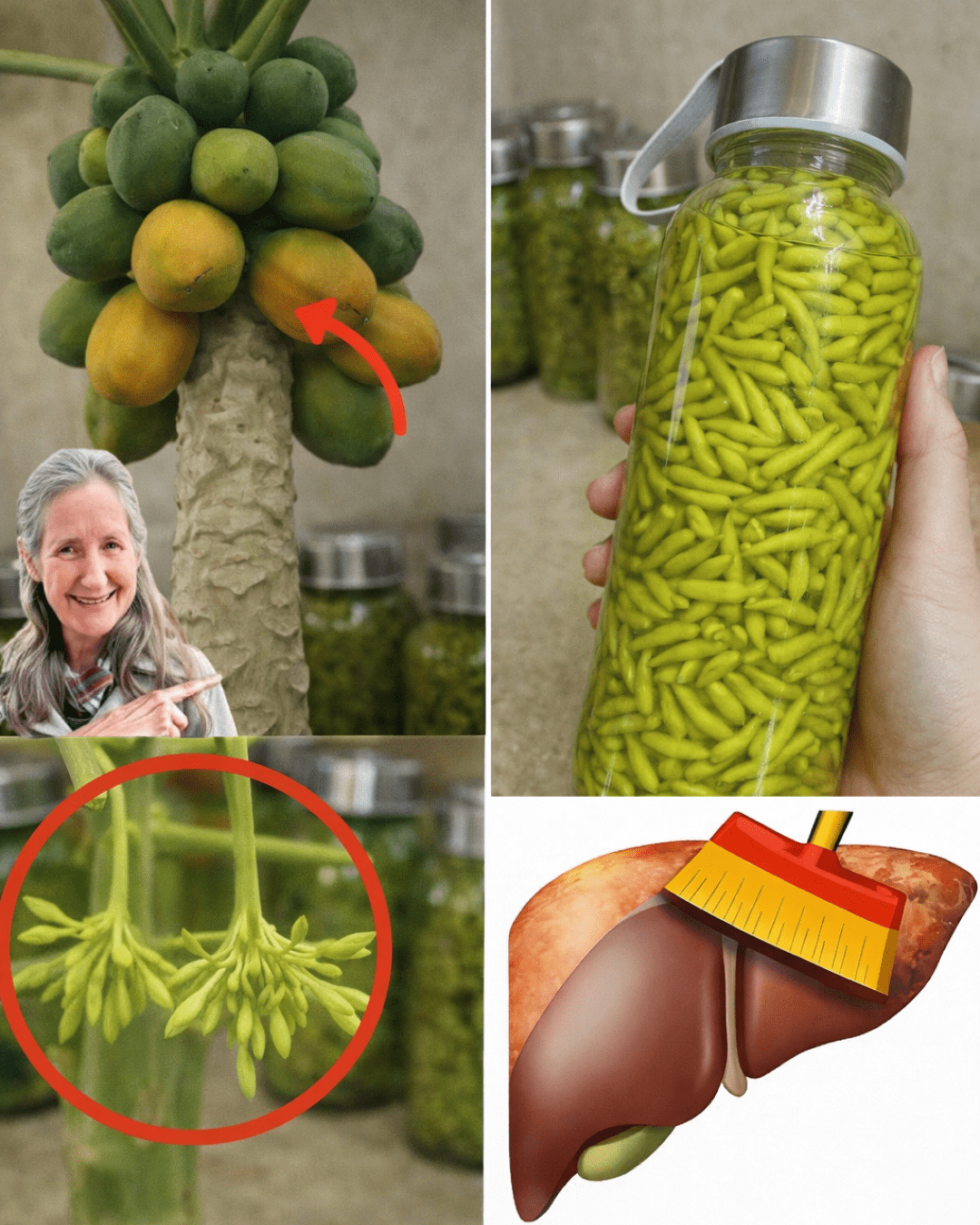
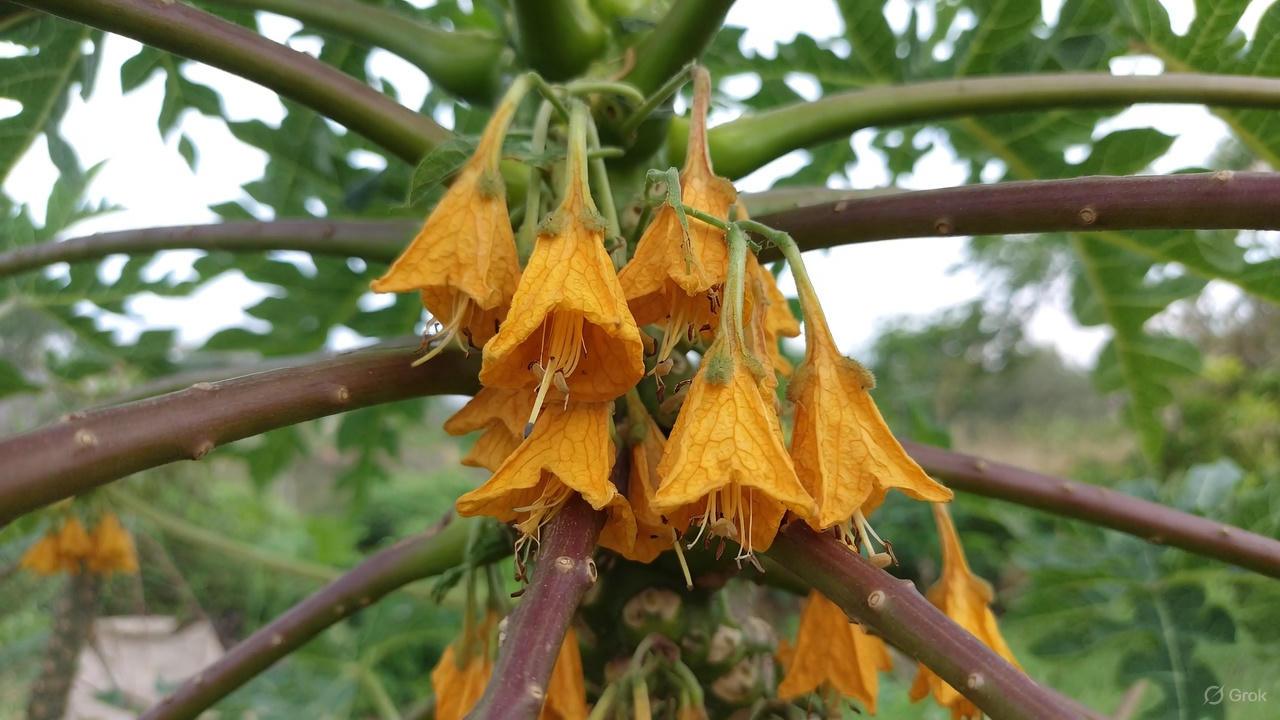
Male papaya flowers come from the Carica papaya tree, specifically from male plants that produce long clusters of small, fragrant blooms. Unlike female flowers that develop into fruit, male flowers focus on pollination but are harvested for their nutritional profile.
These flowers are lightweight and slightly bitter, often used fresh or dried in various cultures. Research notes they contain vitamins like A, C, and E, along with minerals such as calcium and phosphorus. They also have natural compounds like phenols and beta-carotene, which contribute to their potential role in daily wellness.
But that’s not all—studies on papaya plant parts, including flowers, highlight antioxidant properties that help combat everyday oxidative stress.
Nutritional Breakdown of Male Papaya Flowers
Male papaya flowers aren’t just empty blooms; they’re loaded with beneficial elements. Here’s a quick look at key nutrients per typical serving based on available analyses:
- Vitamins: High in vitamin C (supports immune function), vitamin A (from beta-carotene), and vitamin E.
- Minerals: Sources of calcium, phosphorus, and small amounts of iron.
- Other compounds: Phenols, gallic acid, and fiber.
Preliminary lab evaluations show these components provide more dietary nutrients in some areas compared to common herbal teas. This makes them a candidate for functional beverages.
The truth is, incorporating nutrient-dense plants like this can complement a balanced diet without much effort.
How Male Papaya Flowers May Support Blood Sugar Balance
Maintaining steady blood sugar is a common goal for many adults. Traditional practices in regions like Southeast Asia have long included male papaya flower infusions for this purpose.
Animal and lab studies on papaya flower extracts suggest potential support for healthy insulin response and glucose metabolism. For instance, some research indicates compounds in the flowers may help with antioxidant activity that indirectly aids metabolic health.
Human experiences shared in cultural contexts report feeling more balanced after regular use, though more clinical studies are needed.
Here are some ways people traditionally use them for wellness:
- Brewed as a mild tea
- Added to soups or stir-fries
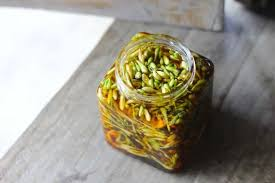
- Infused with honey for flavor
This is the part where it gets interesting—simple daily incorporation could make a noticeable difference over time.
Potential Ways Male Papaya Flowers Contribute to Heart Health
Heart wellness often ties to circulation, cholesterol balance, and inflammation management. Beta-carotene and other antioxidants in male papaya flowers have been linked in studies to supporting healthy blood flow and reducing oxidative factors.
Research on papaya components shows vitamin E and phenols may help maintain vascular health. Traditional users note benefits like stabilized blood pressure from regular consumption.
Combining these flowers with heart-friendly habits—like walking and fiber-rich meals—could enhance overall support.
| Nutrient/Compound | Potential Role in Heart Support | Found In |
|---|---|---|
| Beta-carotene | Promotes circulation | Male papaya flowers |
| Vitamin E | Antioxidant protection | Male papaya flowers |
| Phenols | Reduces oxidative stress | Papaya plant parts |
| Fiber | Aids cholesterol balance | Dried flowers |
Other Areas Where Male Papaya Flowers Show Promise
Beyond blood sugar and heart health, these flowers offer broader benefits:
- Antioxidant boost: Lab tests confirm strong free-radical scavenging, similar to green tea.
- Digestive comfort: Fiber and enzymes like papain (related in the plant) support smooth digestion.
- Respiratory relief: Traditional infusions with honey soothe coughs and throat irritation.
- General detox support: Anecdotal use includes liver wellness, aligned with papaya’s overall profile.
Studies mention potential anti-inflammatory effects, making them versatile for everyday routines.
But here’s the key—moderation is essential, as with any plant-based addition.
Simple Ways to Incorporate Male Papaya Flowers Into Your Routine
Ready to try them? Here are actionable steps:
- Harvest or source: Pick fresh male flowers from a pesticide-free tree or buy dried ones.
- Prepare tea: Steep 5-10 dried flowers in hot water for 5-10 minutes. Add honey if needed.
- Cook them: Blanch to reduce bitterness, then stir-fry with garlic and vegetables.
- Start small: Begin with 1 cup of tea daily and observe how you feel.
- Combine wisely: Pair with a varied diet for best results.
Research suggests drying preserves nutrients effectively for year-round use.
Safety Considerations and Best Practices
Male papaya flowers are generally well-tolerated in moderation. However, excessive intake may cause mild digestive upset due to bitterness.
If you have allergies to papaya or are on medications, consult a healthcare provider first. They’re not recommended in large amounts during pregnancy based on general papaya cautions.
Always choose organic sources to avoid contaminants.
Conclusion: A Natural Addition Worth Exploring
Male papaya flowers offer a nutrient-packed option that aligns with traditional wisdom and early scientific insights. From antioxidants supporting daily vitality to potential benefits for blood sugar balance and heart health, they deserve a spot in wellness conversations.
By starting with simple preparations like tea, you can easily test their fit in your life. Paired with healthy eating and activity, they might become a go-to for natural support.
FAQ
How do I identify male papaya flowers?
They grow in long dangling clusters on male trees, with small white petals and a pleasant fragrance—distinct from single female blooms.
Can I use fresh or dried flowers?
Both work well. Fresh for cooking, dried for longer storage and tea.
How much is a safe daily amount?
Start with a handful (about 10-15 flowers) for tea once a day, adjusting based on tolerance.
Disclaimer: This article is for informational purposes only and is not intended to diagnose, treat, cure, or prevent any disease. Always consult with a qualified healthcare professional before adding new foods or supplements to your diet, especially if you have existing health conditions or are taking medications.