
Have you ever experienced persistent bad breath that doesn’t go away no matter how often you brush, or a nagging feeling like something is stuck in the back of your throat? These frustrating issues can leave you feeling self-conscious and uncomfortable in social situations, affecting your confidence day after day. Many people deal with this quietly, unaware that small, hidden deposits in the tonsils might be the culprit. But there’s good news—understanding these common formations and adopting a few daily habits can make a real difference, and we’ll uncover a surprisingly effective approach later in this guide.
What Are Tonsil Stones Exactly?
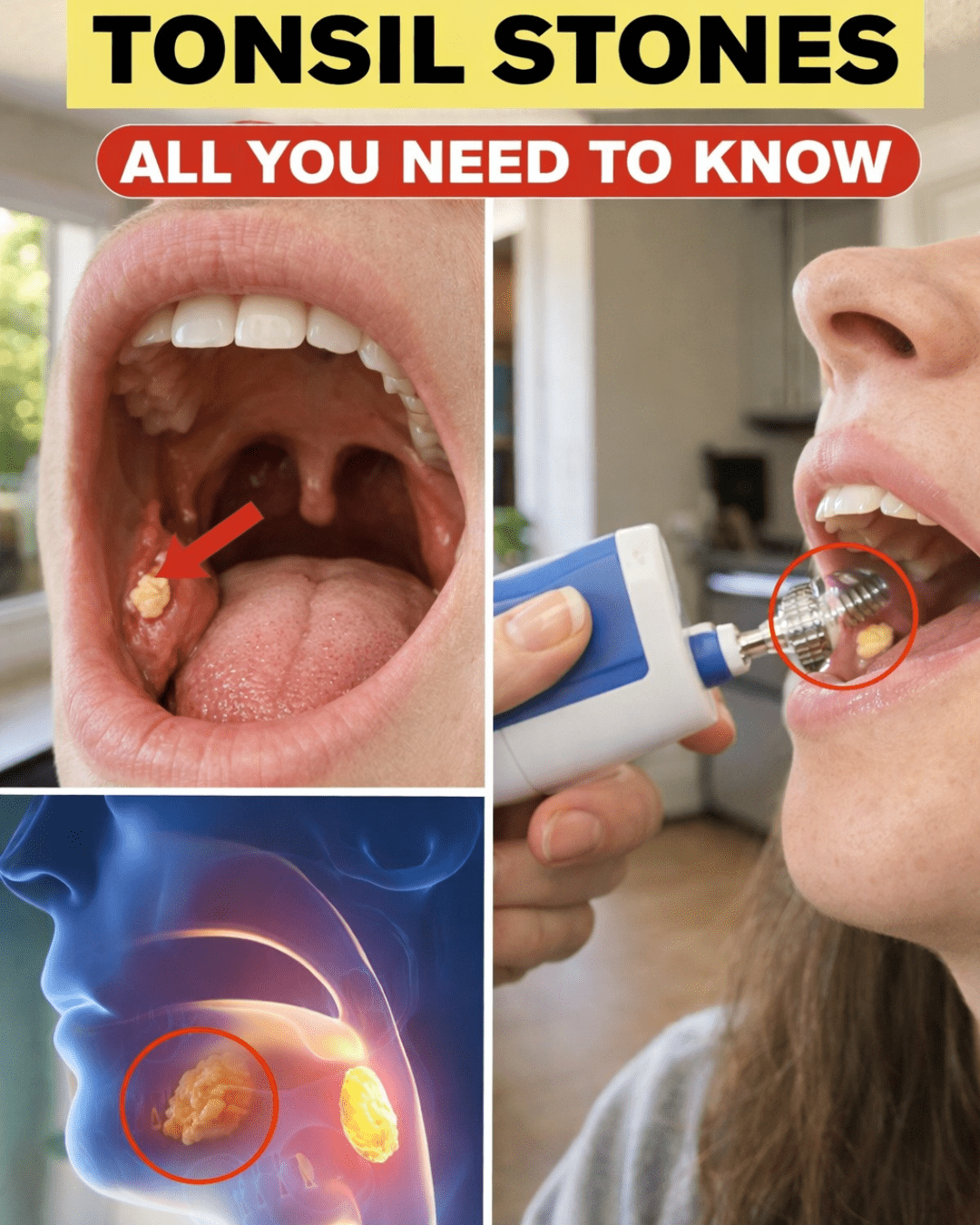
Tonsil stones, also known as tonsilloliths, are small, hardened lumps that form in the natural crevices—called crypts—of your tonsils.
Your tonsils are the two oval-shaped tissues at the back of your throat that help trap bacteria and debris entering through your mouth.
Over time, food particles, dead cells, mucus, and bacteria can get trapped in these pockets and calcify with minerals like calcium, turning into white or yellowish spots.
Most are small, about the size of a grain of rice, but some can grow larger.
Research from sources like the Cleveland Clinic indicates that tonsil stones are quite common, especially in adults, and they’re usually harmless.
But that’s not all—they can sometimes lead to noticeable discomfort if left unchecked.


Common Signs You Might Have Tonsil Stones
Many people have tonsil stones without any obvious issues, as smaller ones often go unnoticed.
When symptoms do appear, they can be subtle but persistent.
Here’s a quick overview of the most reported signs:
- Persistent bad breath (halitosis), even with good brushing habits
- A sore or scratchy throat, especially when swallowing
- Visible white or yellow flecks on the tonsils when looking in a mirror
- An odd sensation of something lodged in the throat
- Occasional ear pain, due to shared nerve pathways
- Mild coughing or swollen tonsils in some cases
Studies suggest that tonsil stones contribute to bad breath in a notable percentage of cases where no other cause is found.
The truth is, these signs are often mistaken for other issues like allergies or a simple cold.
But recognizing them early can help you take control sooner.
Why Do Tonsil Stones Form in the First Place?
Anyone can develop tonsil stones, but certain factors make them more likely.
Poor oral hygiene allows debris to accumulate more easily.
Chronic inflammation of the tonsils can create deeper crypts where material gets trapped.
People with naturally larger tonsils or more pronounced pockets tend to experience them more often.
Post-nasal drip from allergies or sinus issues adds extra mucus to the mix.
Here’s the interesting part: while they might seem uncommon, experts note they’re a frequent finding during routine check-ups.
| Factor | How It Contributes | Common Triggers |
|---|---|---|
| Debris Buildup | Food and bacteria get stuck in crypts | Eating dairy or sticky foods |
| Tonsil Structure | Deeper pockets trap more material | Naturally large or cryptic tonsils |
| Hygiene Habits | Less cleaning leads to calcification | Skipping tongue brushing |
| Other Issues | Added mucus or inflammation | Chronic sinus problems |
Research shows that consistent daily routines can significantly reduce how often they appear.
Everyday Habits to Help Prevent Tonsil Stones
Prevention focuses on keeping your mouth clean and reducing debris buildup.
Simple changes in your routine can go a long way.
Here are some practical steps you can start today:
- Brush your teeth and tongue twice daily to remove bacteria and particles
- Floss regularly to clear between teeth where food hides
- Stay well-hydrated to promote natural saliva flow and mucus thinning
- Gargle after meals with warm water to flush out loose debris
- Consider non-alcohol mouthwash for extra freshness without drying your mouth
- Limit foods that increase mucus if you notice a pattern
Experts from places like Mayo Clinic emphasize that good oral care habits help many people avoid recurrence.
And here’s a tip many overlook: gently brushing your tongue can make a bigger difference than you think.


Gentle At-Home Ways to Dislodge Tonsil Stones
If you spot a small one, it often comes out on its own through coughing or eating.
For others, try these safe, low-effort methods:
- Gargle vigorously with warm salt water (1/2 teaspoon salt in a cup of warm water) for 30 seconds several times a day
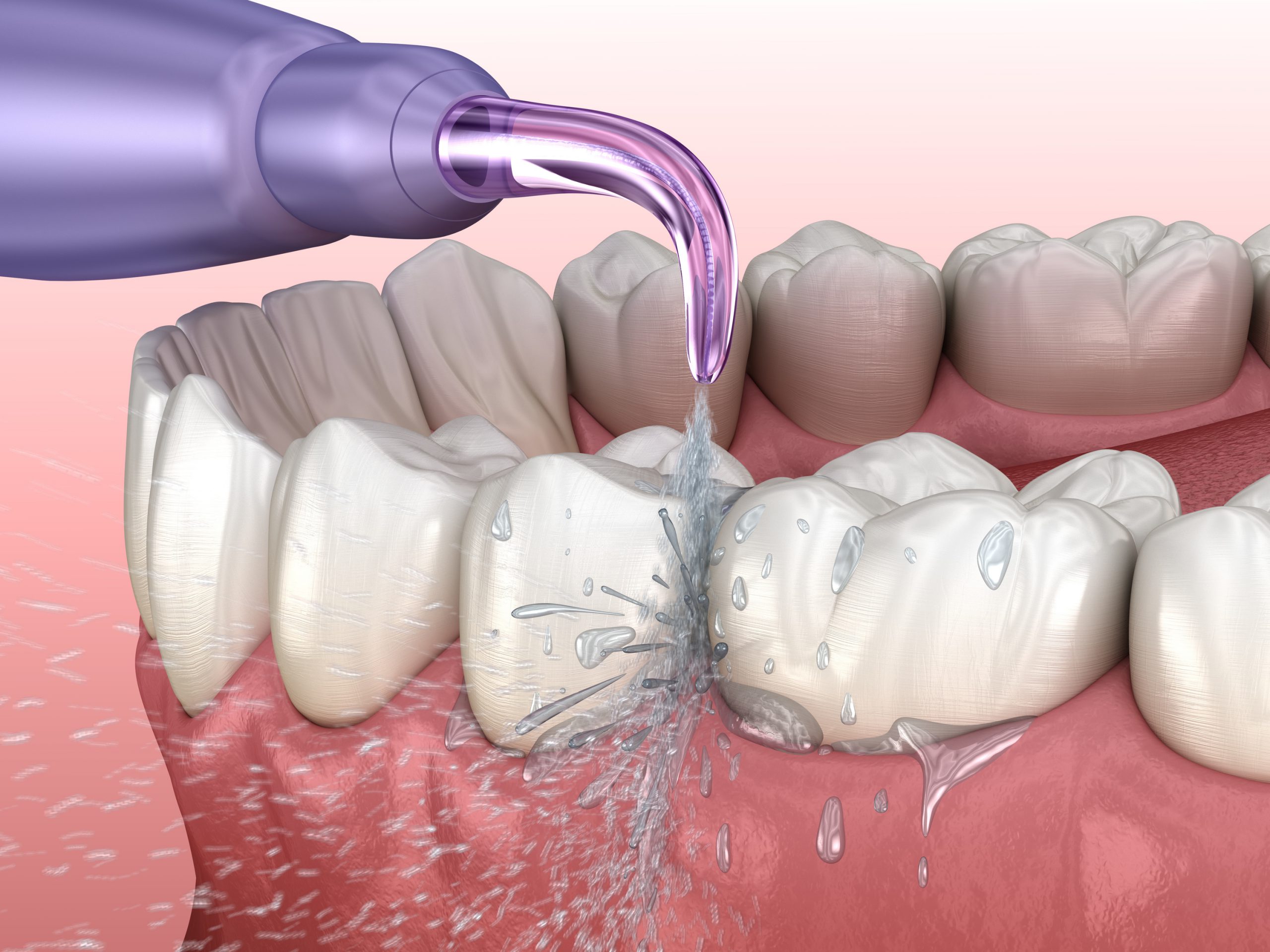
- Use a low-pressure water irrigator pointed carefully at the tonsils to rinse debris
- Cough firmly a few times to naturally loosen and expel them
Always be gentle to avoid irritation—aggressive methods can cause more harm.
Many find that regular gargling alone keeps things under control.
But if one persists or feels uncomfortable, it’s smart to check in with a professional.
Water Flosser: Worth the Investment? | Artistic Touch Dentistry
When It’s Time to Consult a Healthcare Provider
Tonsil stones are rarely a serious concern, but don’t ignore ongoing issues.
Consider seeing a doctor if you experience:
- Frequent recurrence despite good habits
- Severe throat pain or swelling
- Difficulty swallowing comfortably
- Persistent bad breath that affects daily life
- Any signs of infection, like fever
In recurring cases, providers might discuss options like minor procedures to smooth tonsil surfaces.
The key is listening to your body and seeking personalized advice when needed.
Real Stories: How Others Manage Tonsil Stones
Countless people have dealt with the embarrassment of bad breath only to discover tonsil stones were behind it.
One common experience: after starting daily salt water gargles, many notice fewer issues within weeks.
Another: incorporating a water flosser into their routine helped clear hidden spots effectively.
These everyday adjustments often bring relief without drastic changes.
You’re not alone in this—small habits can lead to big improvements.
Wrapping It Up: Taking Control of Your Throat Health
Tonsil stones are a common, manageable part of oral health for many.
By understanding their causes, recognizing signs early, and building simple preventive habits, you can reduce their impact significantly.
From thorough brushing to regular gargling, these steps empower you to feel more confident.
And remember that one surprisingly effective habit we hinted at earlier? Consistent hydration combined with salt water rinses—many find it transformative.
Start with one change today, and see how it adds up.
Frequently Asked Questions
Are tonsil stones a sign of something more serious? In most cases, no—they’re simply debris buildup and harmless. However, persistent symptoms warrant a check-up to rule out other issues.
How long do tonsil stones typically last? Small ones often dislodge naturally within days to weeks, especially with good oral care habits.
Can children get tonsil stones? Yes, though they’re more common in teens and adults. Gentle hygiene helps prevent them in kids too.
This article is for informational purposes only and is not a substitute for professional medical advice. Always consult your healthcare provider for personalized guidance on any health concerns.


