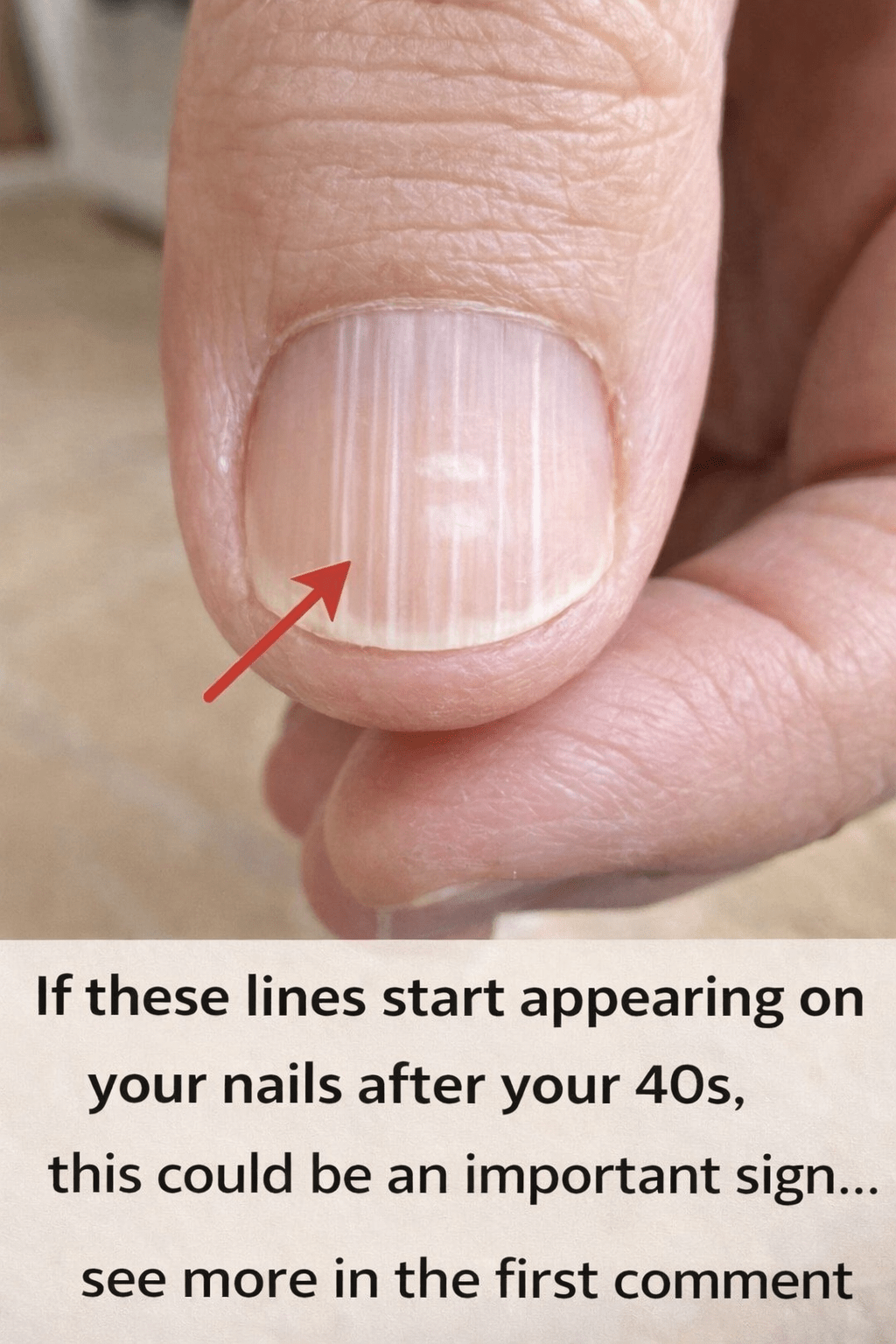
Many people over 40 start noticing subtle vertical lines appearing on their fingernails, running from the cuticle to the tip. These changes can feel worrying at first, especially when you wonder if they point to something deeper going on in your body. The concern builds as you compare your nails to how they looked years ago, and it’s easy to feel frustrated by this visible sign of aging or potential health shifts.
But here’s the good news: in most cases, these ridges are a normal part of getting older. And with a few simple habits, you can often keep your nails looking and feeling stronger. Keep reading to uncover the everyday factors behind this and one surprising tip that many overlook.
What Exactly Are Vertical Ridges on Nails?
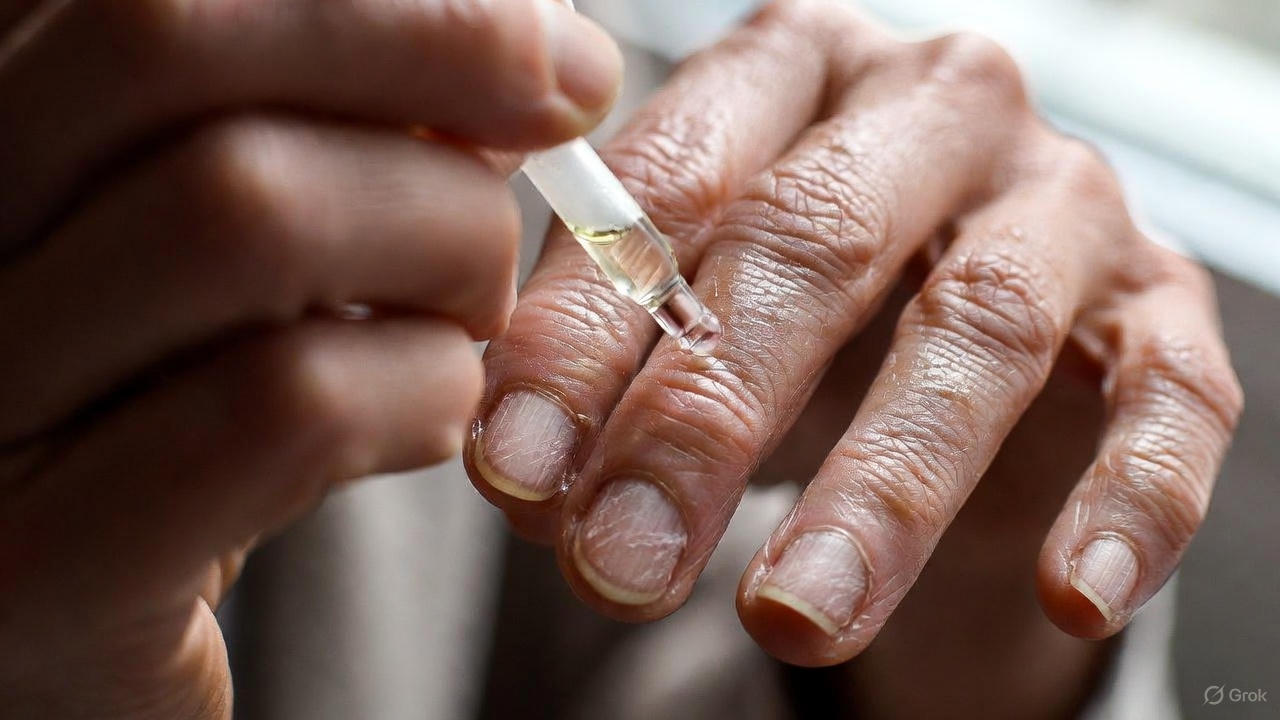
Vertical ridges, also called longitudinal ridges, are thin raised or grooved lines that run lengthwise along your fingernails.
They differ from horizontal lines, which can sometimes signal other issues.
As we age, nail growth slows, and the nail plate can become slightly uneven.
Research shows that slight vertical ridges often become more noticeable in older adults due to changes in cell turnover in the nail matrix—the area where new nail cells form.
But that’s not the whole story…
Common Reasons Vertical Ridges Appear After 40
The most frequent cause is simply the natural aging process.
Studies indicate that as cell renewal slows, keratin (the protein that builds nails) distributes less evenly, leading to visible lines.
Dryness plays a big role too.
Nails lose moisture over time, especially with repeated hand washing or exposure to harsh soaps.
This makes existing ridges stand out more.
Nutritional factors can contribute as well.
Certain shortages in key nutrients may affect nail strength, though this varies from person to person.
Here are some nutrients often linked to healthier nails:
- Biotin (found in eggs, nuts, and seeds)
- Iron (in leafy greens, lean meats, and beans)
- Zinc (from oysters, beef, and pumpkin seeds)
- Protein (essential for keratin production)
Dehydration from inside the body can worsen brittleness.
Some underlying conditions, like thyroid changes or poor circulation, might influence nail texture in certain cases.
However, ridges alone rarely indicate a serious problem.
When Might Vertical Ridges Warrant a Closer Look?
Most vertical ridges are harmless and don’t require medical attention.
That said, it’s wise to monitor for accompanying changes.
Consult a healthcare professional if you notice:
- Sudden deep grooves or horizontal lines
- Discoloration, such as dark streaks
- Pain, swelling, or redness around the nails
- Nails becoming very brittle, splitting frequently, or thickening
These could stem from injury, infection, or other factors worth checking.
Early evaluation helps rule out rare concerns like skin conditions under the nail.
According to dermatology experts, changes affecting multiple nails or paired with fatigue, dry skin, or hair thinning deserve a professional opinion.
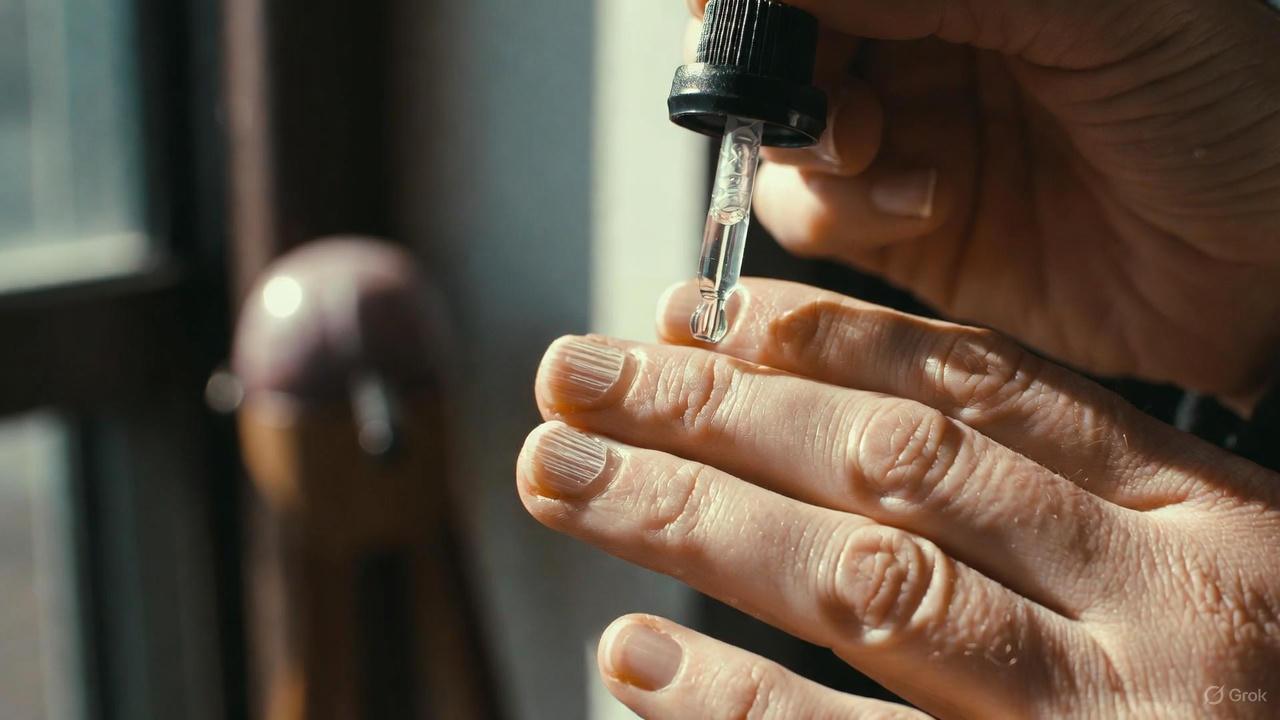
Practical Habits to Support Stronger, Smoother Nails as You Age
Small daily routines can make a noticeable difference in nail appearance and resilience.
Start with hydration from within—aim for plenty of water throughout the day.
Moisturize externally too.
Apply a gentle hand cream or cuticle oil after washing hands.
This helps lock in moisture and soften ridges.
Protect your hands.
Wear gloves during chores to limit exposure to water and detergents.
Choose nutrient-rich foods.
Focus on a balanced plate with plenty of fruits, vegetables, whole grains, and lean proteins.
Here’s a quick list of everyday foods that provide nail-supporting nutrients:
- Eggs and avocados (for biotin)
- Spinach and lentils (for iron)
- Nuts and seafood (for zinc)
- Salmon and walnuts (for omega-3s)
Limit harsh treatments.
Avoid over-filing or aggressive manicures that thin the nail plate.
Gentle buffing occasionally can smooth surface ridges, but do it sparingly.
If dryness persists, consider a fragrance-free moisturizer designed for hands and nails.
Consistency is key—these habits build up over time for better results.
In Summary: Embracing Healthier Nails at Any Age
Vertical ridges on nails after 40 are often just a benign sign of natural changes in your body.
By staying hydrated, protecting your hands, and eating nutrient-dense foods, you can support smoother, stronger nails.
Pay attention to sudden or accompanying symptoms, and don’t hesitate to seek professional advice when needed.
With mindful care, many people find their nails improve in texture and strength.
Remember that one surprising tip? It’s consistent moisturizing—not just hands, but focusing on cuticles and nails directly. Many overlook this simple step, yet it often yields the biggest visible improvement.
Frequently Asked Questions
Are vertical ridges on nails always a sign of aging?
No, while aging is the most common reason, factors like dryness or nutrition can contribute. They’re usually harmless.
Can diet really help reduce nail ridges?
A balanced intake of nutrients supports overall nail health, though results vary. Focus on whole foods rather than expecting quick fixes.
Should I take supplements for nail ridges?
Talk to your doctor first—they can check for any shortages and guide safe options.
Disclaimer: This article is for informational purposes only and is not a substitute for professional medical advice. Always consult a qualified healthcare provider for personalized guidance on health concerns. Nail changes can sometimes reflect broader issues, so seek evaluation if worried.