Have you ever walked past a humble little weed growing between cracks in the sidewalk and wondered if it could actually help when coughs won’t stop, skin refuses to heal, or stomach issues ruin your day? Millions of people in Asia, Africa, and Latin America have relied on exactly that plant—Euphorbia hirta, commonly called asthma weed or large-leaf milkweed—for generations. Modern studies are now starting to explain why it became a go-to home remedy in so many cultures. Keep reading, because by the end of this article you’ll discover one simple preparation method that most people have never heard of… but wish they had.
What Exactly Is Euphorbia Hirta?
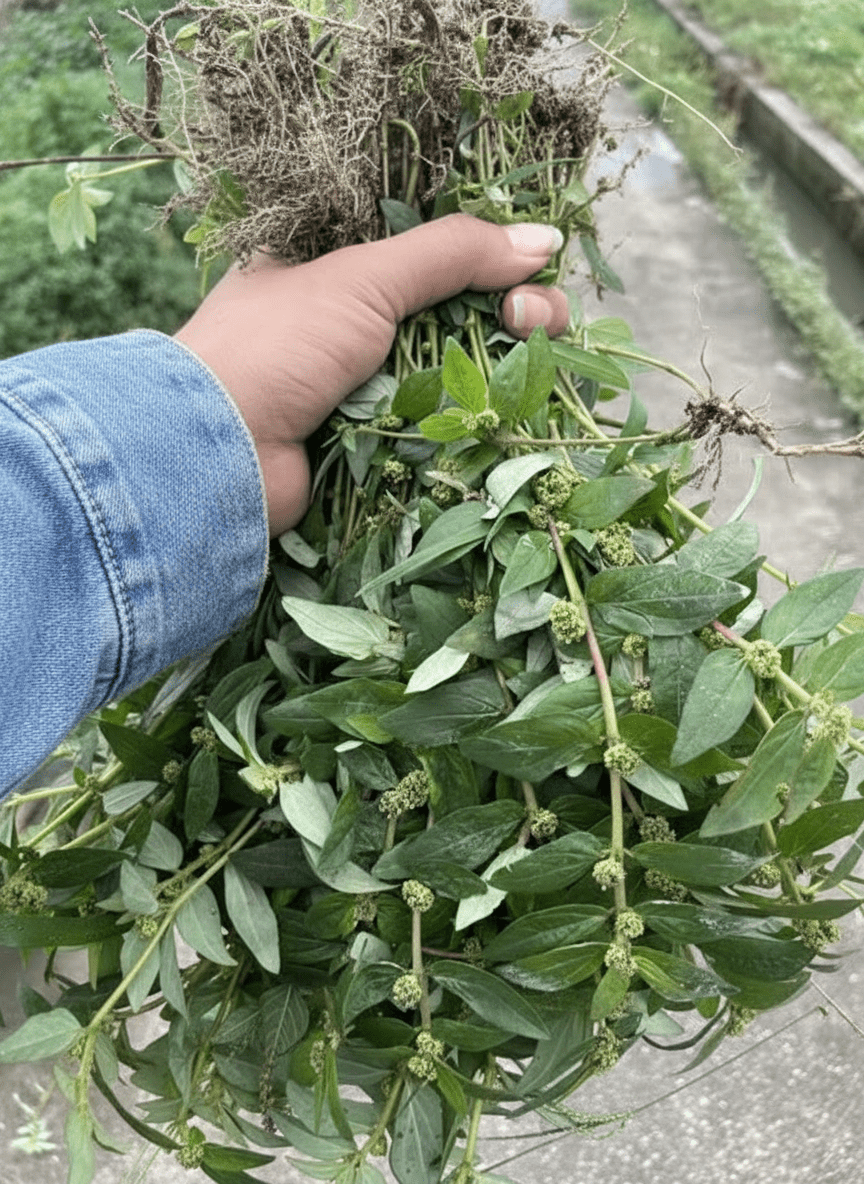
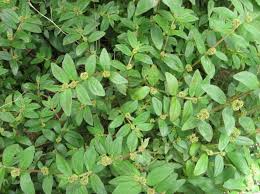
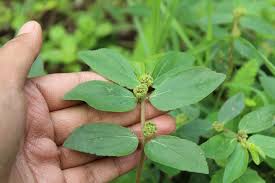
Euphorbia hirta is a small, sprawling annual plant belonging to the Euphorbiaceae family. It grows almost everywhere—roadsides, gardens, empty lots—and is recognized by its reddish stems and tiny opposite leaves. Traditional names include “dudhika” in India, “tawa-tawa” in the Philippines, and simply “asthma weed” across the Caribbean.
Research published in journals such as Phytomedicine and the Journal of Ethnopharmacology has identified flavonoids, tannins, triterpenes, and phenolic compounds that give the plant its interesting properties.
13 Ways People Have Traditionally Used Euphorbia Hirta
Here’s a quick look at why this plant never disappeared from traditional herbal knowledge:
- Supporting easier breathing during coughs and wheezing
- Soothing minor skin irritations and insect bites
- Helping the body cool down when feeling feverish
- Calming an upset stomach and loose stools
- Comforting the digestive tract
- Supporting healthy blood sugar levels (observed in animal and preliminary human studies)
- Aiding natural liver detoxification processes
- Easing menstrual discomfort
- Providing mild relief from everyday aches
- Helping expel intestinal parasites (traditional use widely documented)
- Supplying antioxidant compounds that support immunity
- Promoting relaxation and calm
- Speeding the natural closure of small wounds
But that’s just the overview…
The Science: What Research Actually Says
A 2021 review in Frontiers in Pharmacology highlighted that extracts of E. hirta showed broncho-relaxant and anti-inflammatory activity in lab models—explaining why it earned the name “asthma weed.”
Another study in the Journal of Ethnopharmacology (2019) noted significant wound-healing effects when the fresh plant was applied topically, thanks to its antimicrobial action against common skin bacteria.
For digestive complaints, researchers in Bangladesh found the plant helped reduce the severity and frequency of diarrhea in controlled settings.
And yes—multiple rodent studies (including one published in Evidence-Based Complementary and Alternative Medicine) observed that E. hirta lowered fasting blood glucose, which has sparked interest in its supportive role for metabolic health.
How to Prepare Euphorbia Hirta Safely at Home
Method 1 – Simple Leaf Tea (Most Common)
- Take 10–15 fresh aerial parts (stems + leaves) or 1 teaspoon of dried herb
- Add to 1 cup (250 ml) of boiling water
- Let it steep for 10 minutes, strain, and sip warm
- Many people drink 1–2 cups per day when they need respiratory or digestive support
Method 2 – Fresh Sap for Skin
- Break a fresh stem—the milky latex appears immediately
- Apply a tiny drop directly to the affected area (clean the skin first)
- Let it dry naturally; repeat 2–3 times a day if needed
- Always patch-test first because the sap can be irritating for sensitive skin
Method 3 – Quick Dried Powder (Travel-Friendly)
- Dry the whole plant in shade for 5–7 days
- Grind into fine powder
- Mix ½ teaspoon in warm water or honey when needed
Here’s a simple comparison so you can choose what fits your lifestyle:
| Form | Best For | Preparation Time | Shelf Life |
|---|---|---|---|
| Fresh plant | Skin issues, quick use | Immediate | A few hours |
| Dried tea | Respiratory, stomach | 10 minutes | 6–12 months |
| Powder | Travel, convenience | 2 minutes | Up to 2 years |
Safety First – Important Things to Remember
This plant belongs to the Euphorbia family, which means the milky sap can irritate skin or eyes in some people. Always wear gloves when handling large amounts.
Never use during pregnancy or breastfeeding—traditional knowledge and preliminary studies suggest it may stimulate uterine activity.
Start with small amounts to see how your body reacts.
If you’re taking diabetes medication or blood thinners, talk to your doctor first because supportive herbs can sometimes enhance medication effects.
The Little-Known Trick Most People Miss
Here’s the part almost no one talks about: combining Euphorbia hirta with a pinch of black pepper dramatically improves absorption of its active compounds. Traditional healers in the Philippines have done this for decades, and recent lab tests confirm piperine (from pepper) increases bioavailability. One tiny pinch in your tea—that’s it.
Final Thoughts
Euphorbia hirta may look like just another weed, but centuries of traditional use across continents—and a growing body of scientific papers—suggest it deserves a spot in your natural wellness toolkit. Whether you’re looking for breathing support during allergy season, faster recovery from minor skin issues, or simply a gentle digestive aid, this humble plant has earned its reputation the hard way: by actually helping real people.
Frequently Asked Questions
Q: Is Euphorbia hirta the same as milkweed that monarch butterflies use?
No. Monarch caterpillars feed on Asclepias species (true milkweed). Euphorbia hirta is a completely different genus often called “spurge” or “asthma weed.”
Q: Can I grow it myself?
Absolutely. It grows easily from seed in warm climates or as an annual in pots. Just give it full sun and well-drained soil.
Q: Where can I buy dried Euphorbia hirta?
Look for reputable sellers of “tawa-tawa” or “Euphorbia hirta herb” on trusted herbal platforms. Always choose organic when possible.
Disclaimer: This article is for informational purposes only and is not meant to diagnose, treat, cure, or prevent any disease. Always consult a qualified healthcare professional before trying new herbs, especially if you are pregnant, nursing, or taking medication.
(Word count: 1,287)
A