
Many people overlook a simple daily clue that reveals how well their body is functioning. Ignoring urine color can mean missing early signs of dehydration or other changes that affect energy, focus, and overall comfort. The good news is that understanding these shades takes just a quick glance and can guide better daily habits. Keep reading to discover exactly what each color means and the one surprising factor most people miss.
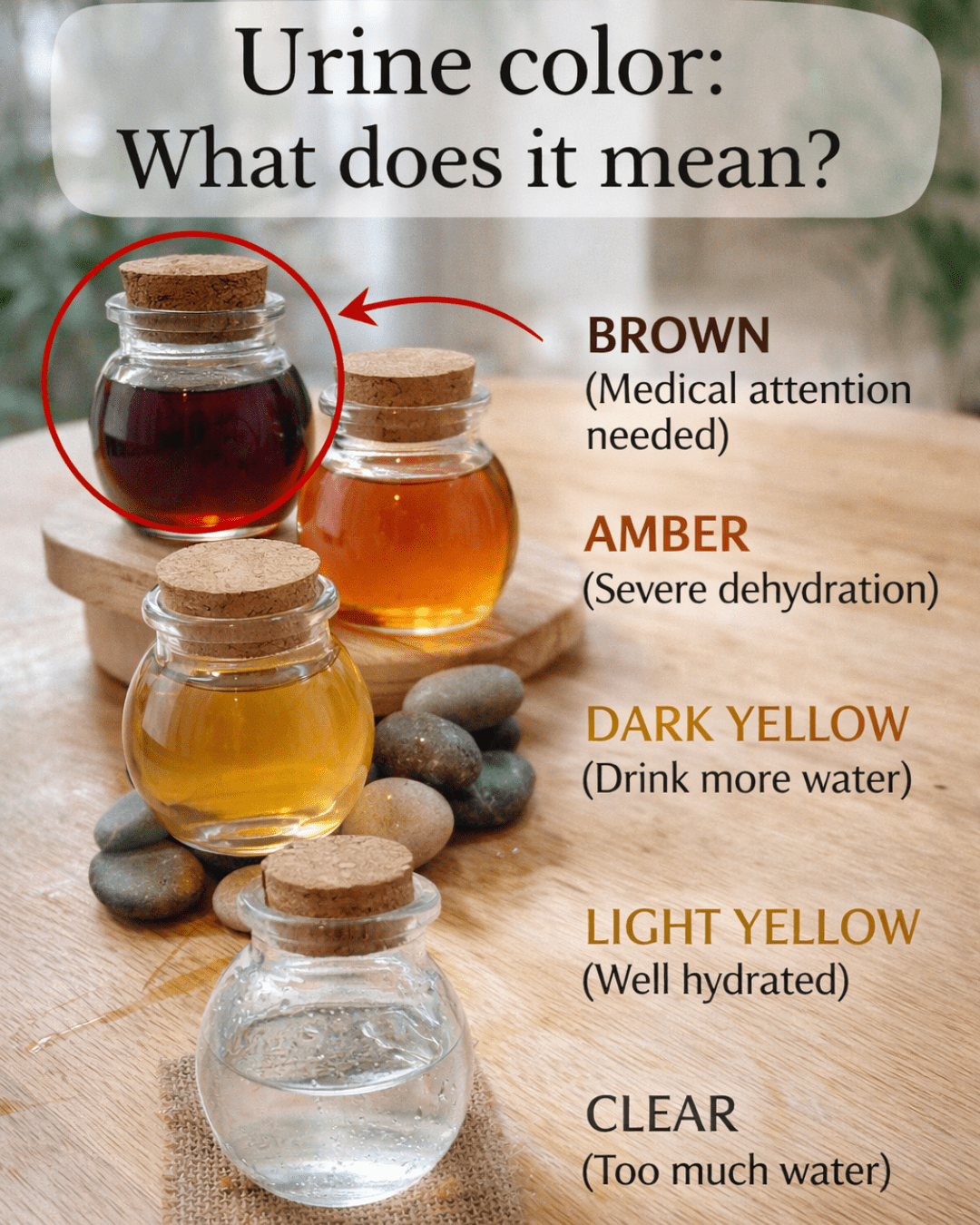
Why Urine Color Matters for Everyday Wellness
Your urine is more than just waste. It’s a real-time reflection of how hydrated you are and how your kidneys are working.
Research shows that body fluid balance directly influences urine concentration. When you’re well-hydrated, urine tends to be lighter. When fluids are low, it becomes darker as the body conserves water.
This simple visual check has been used by healthcare professionals for years as a quick hydration indicator. The best part? You can do it yourself every day.
Common Urine Colors and What They Typically Indicate
Let’s break down the most frequently seen shades, from clearest to darkest.
Clear Urine
Clear urine often means you’ve been drinking plenty of fluids. This can feel great because it shows your body has enough water to dilute waste products.
However, consistently clear urine throughout the day might suggest you’re taking in more fluids than needed. Balance matters here.
Studies indicate that overly diluted urine can sometimes wash out important electrolytes. Most people don’t need to worry unless it’s constant.
Light Yellow
This pale straw or light yellow shade is widely considered the ideal color.
It signals good hydration levels where your body has enough water without being overloaded.
Many health organizations, including major medical bodies, describe light yellow as the target range for most active adults.
Dark Yellow
When urine turns deeper yellow, it’s usually the first noticeable sign of milder dehydration.
Your kidneys concentrate urine to preserve fluids, making the color more intense.
This often happens after exercise, hot weather, or simply forgetting to drink during a busy day.
The fix is straightforward: increase water intake gradually.
Amber or Honey-Colored
Amber shades point to more significant fluid needs.
At this stage, the body is working harder to maintain balance, and you might notice other signs like fatigue or dry mouth.
Research highlights that prolonged periods in this range can affect concentration and physical performance.
Prioritizing fluids sooner rather than later helps bring things back to normal quickly.
Brown or Cola-Colored
Brown urine stands apart from the others because it rarely relates only to hydration.
Possible causes include certain foods, medications, or underlying health factors.
Medical sources consistently recommend consulting a healthcare provider if brown color persists or appears with other symptoms.
Early attention can provide peace of mind.
Other Colors That Sometimes Appear
While yellow tones are most common, other hues can show up occasionally.
Pink or red shades might come from foods like beets or berries. Certain medications can cause orange tones.
Green or blue are rare and almost always linked to specific dyes or medicines.
Any unusual color that lasts more than a day deserves professional attention.
But here’s the interesting part: temporary changes from diet are completely normal for most people.

Factors That Influence Urine Color Beyond Hydration
Hydration isn’t the only player.
Vitamins, especially B-complex, can create bright yellow shades even when hydration is perfect.
Foods rich in pigments—beets, blackberries, or carrots—temporarily alter appearance.
Exercise intensity and environmental temperature also play roles by increasing fluid loss.
Even time of day matters: first morning urine is naturally more concentrated after hours without drinking.
Understanding these variables helps avoid unnecessary worry.
Simple Daily Habits to Maintain Healthy Hydration
Ready for practical steps you can start today?
Here are proven ways to keep urine in the light yellow range:
Start your morning with a glass of water before coffee or tea
Carry a reusable bottle and sip throughout the day rather than chugging large amounts at once
Include water-rich foods like cucumber, watermelon, oranges, and lettuce in meals
Set gentle reminders on your phone every few hours
Check color periodically, especially after workouts or time outdoors
Small consistent actions beat drastic changes every time.
Quick Reference Chart: Urine Colors at a Glance
| Color | Typical Meaning | Suggested Action |
|---|---|---|
| Clear | Plenty of fluids | Maintain balance, monitor frequency |
| Light Yellow | Optimal hydration | Keep current habits |
| Dark Yellow | Mild to moderate fluid needs | Drink water steadily over next few hours |
| Amber | More significant fluid needs | Prioritize fluids promptly |
| Brown | Not usually hydration-related | Consult healthcare provider if persistent |
This simple table can serve as your personal reference guide.
When to Pay Closer Attention
Most color variations are harmless and respond quickly to better fluid habits.
However, certain combinations warrant extra awareness:
Persistent dark shades despite increased drinking
Color changes accompanied by pain, swelling, or fatigue
Sudden appearance of foaminess or cloudiness
Trust your instincts. When something feels off, reaching out to a professional is always the smart choice.
The Often-Overlooked Connection Between Hydration and Daily Energy
Here’s what surprises many people: consistent light yellow urine often correlates with steadier energy levels.
Proper fluid balance supports better blood flow, nutrient delivery, and temperature regulation.
Small improvements in daily water intake frequently lead to noticeable differences in focus and mood.
It’s one of those subtle health upgrades that compounds over time.
Conclusion: Your Built-In Hydration Guide
Checking urine color offers a free, instant snapshot of your hydration status. Light yellow remains the goal for most people, while darker shades serve as gentle reminders to drink more.
By combining this simple habit with steady water intake and awareness of influencing factors, you can maintain better daily comfort and energy.
Start observing today—you might be surprised how quickly it becomes second nature.
Frequently Asked Questions
Is clear urine always better than yellow?
Not necessarily. Light yellow generally indicates ideal balance, while consistently clear might mean slight over-hydration for some people.
How much water should I drink daily?
Needs vary by activity, climate, and body size. A common starting point is around eight glasses, but listening to your body’s signals (including urine color) works best.
Can medications change urine color?
Yes, certain vitamins, supplements, and prescriptions commonly cause temporary color shifts. Check medication information or speak with your pharmacist if concerned.
Disclaimer: This article is for informational purposes only and does not constitute medical advice. Always consult a qualified healthcare professional for personal health concerns or before making significant changes to your habits.


