
Ginger has become a go-to natural ingredient for many people seeking digestive comfort or a flavorful boost in their meals. It’s easy to reach for fresh ginger root, tea, or supplements when feeling queasy or wanting to add some warmth to your day. Yet, even with its popularity, overdoing it or using it in certain situations can lead to unexpected discomfort that disrupts your routine. Research from reliable sources like the National Institutes of Health and Mayo Clinic shows that while moderate amounts are generally well-tolerated, higher intakes or specific health conditions can trigger issues worth paying attention to. And here’s the intriguing part: understanding these nuances could help you enjoy ginger’s perks without the downsides—keep reading to discover practical ways to stay on the safe side.
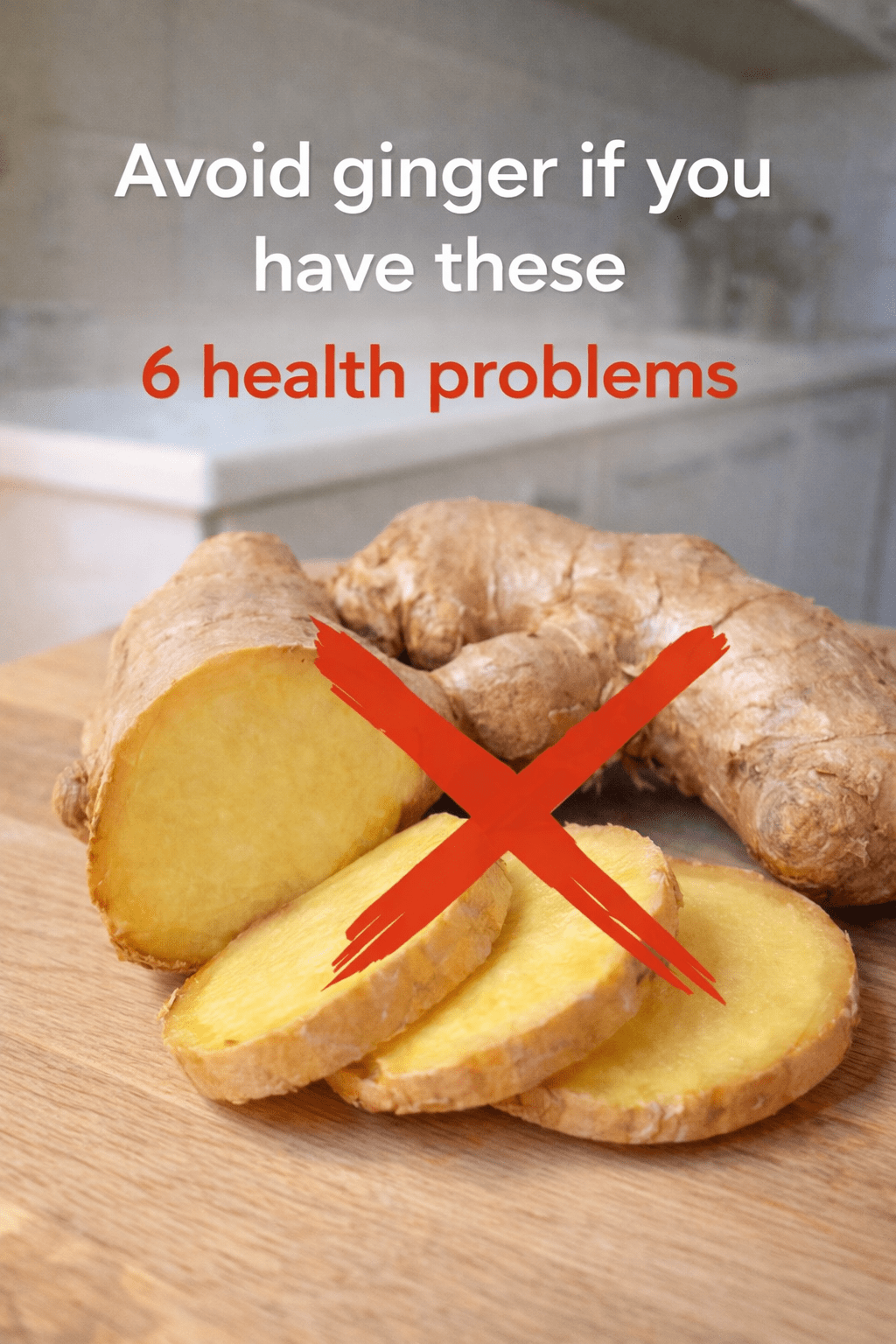
Why Ginger Is So Popular—But Not Always Risk-Free
Ginger contains active compounds like gingerol that give it its distinctive spice and potential health-supporting properties. Many turn to it for everyday wellness, incorporating it into teas, stir-fries, or smoothies.
But that’s not the whole story. Studies indicate that exceeding certain amounts can shift things from helpful to bothersome. For instance, consuming more than 4-5 grams of dried ginger daily has been linked to increased chances of mild digestive upset in some individuals.
The truth is, individual responses vary widely based on dosage, form (fresh vs. dried), and personal health factors. This is where caution comes in—being informed helps you make smarter choices.
Common Side Effects to Watch For
Most people experience no issues with typical culinary amounts of ginger. However, higher doses can sometimes lead to noticeable effects.
Here are some commonly reported ones based on reviews from sources like WebMD and NCCIH:
- Heartburn or abdominal discomfort
- Diarrhea or bloating
- Mouth or throat irritation, especially from raw ginger
- Burping or general stomach unease
These tend to be mild and resolve quickly when intake is reduced. Interestingly, some research suggests these effects are more common with supplements than food sources.
But wait, there’s more to consider if you’re in specific situations—we’ll cover those next.
Key Situations Where Extra Caution Is Advised
Certain health scenarios or life stages call for a more mindful approach to ginger. Here’s what studies and expert guidelines highlight:
Interactions with Medications
Ginger may influence how some medications work, particularly those affecting blood clotting or blood pressure.
- Blood-thinning medications (like warfarin or aspirin): Ginger has mild antiplatelet effects, which could potentially amplify bleeding risk in some cases. Case reports and reviews recommend discussing with a healthcare provider.
- Diabetes medications: It might lower blood sugar levels, so monitoring is key if you’re on related treatments.
- Blood pressure medications: Similar caution applies, as ginger could contribute to lower readings.
Research from sources like Johns Hopkins Medicine emphasizes consulting a professional before combining ginger supplements with these.

Before Surgery
Due to its potential impact on clotting, many experts suggest pausing ginger intake at least two weeks prior to scheduled procedures. This helps minimize any added variables during recovery.
Gallbladder Concerns
Ginger stimulates bile production, which can be helpful for digestion in general but problematic for those with gallstones or related issues. Some reports note it may worsen discomfort in these cases.
Pregnancy Considerations
Small amounts, like in food or tea, are often used for morning sickness support. However, sticking to no more than 1 gram daily is a common guideline, and higher doses warrant a chat with your doctor—especially near term.
Here’s a quick comparison of safe daily limits from major sources:
| Group | Recommended Daily Limit (Dried Ginger Equivalent) | Notes from Research |
|---|---|---|
| General Adults | Up to 4 grams | NIH, Mayo Clinic |
| Pregnant Individuals | Up to 1 gram | Expert guidelines |
| Children Under 2 | Avoid | Limited data |
This table breaks it down clearly—moderation is the common theme.
How Much Ginger Is Generally Considered Safe?
Daily intake guidelines vary slightly, but consensus from health authorities points to:
- Up to 3-4 grams for most adults in food or supplement form.
- Culinary use (like 1-2 teaspoons fresh grated) typically falls well below this.
Exceeding 5 grams regularly increases the likelihood of side effects, per multiple reviews. Starting low and observing your body’s response is a smart strategy.
The fascinating aspect? Many people thrive on regular moderate ginger without issues, reaping its natural spice benefits.

Practical Tips for Enjoying Ginger Safely
Want to include ginger without worry? Here are actionable steps you can take today:
- Track your total intake—include tea, cooking, and any supplements.
- Opt for fresh or dried in meals over high-dose extracts when possible.
- Pair it with food to ease potential stomach sensitivity.
- If trying supplements, choose reputable brands and start with the lowest dose.
- Always inform your doctor about regular ginger use, especially with medications.
These simple habits can make a big difference in keeping things comfortable.
Summing It Up: Balance for the Best Experience
Ginger remains a versatile, natural addition to many routines when used thoughtfully. By staying within moderate amounts and considering personal factors like medications or health conditions, most people can avoid potential pitfalls. Research consistently supports its safety in typical dietary levels, with precautions making all the difference for others.
Frequently Asked Questions
How much fresh ginger equals 1 gram dried?
About 5-6 grams of fresh root is roughly equivalent to 1 gram dried powder.
Can ginger tea cause side effects?
In large quantities (multiple strong cups daily), it might lead to heartburn or discomfort, similar to other forms.
Is ginger safe every day?
Yes, in moderate amounts—many studies show daily culinary use is well-tolerated for most adults.
Disclaimer: This article is for informational purposes only and not intended as medical advice. Always consult a healthcare professional before making changes to your diet or supplement routine, especially if you have health conditions or take medications.


