You’ve likely sprinkled cloves into your favorite recipes or sipped on a warm chai tea, appreciating their aromatic warmth and subtle spice. But what if this common kitchen staple could interact unexpectedly with your health? For individuals managing certain conditions, even familiar herbs like cloves might pose subtle challenges that go unnoticed until they arise. In this guide, we’ll delve into these potential concerns to help you make informed choices about incorporating cloves into your routine. And by the end, you’ll uncover an unexpected way to check for personal sensitivities that could transform your approach to everyday spices.

Understanding Cloves: What They Are and Why They’re Popular
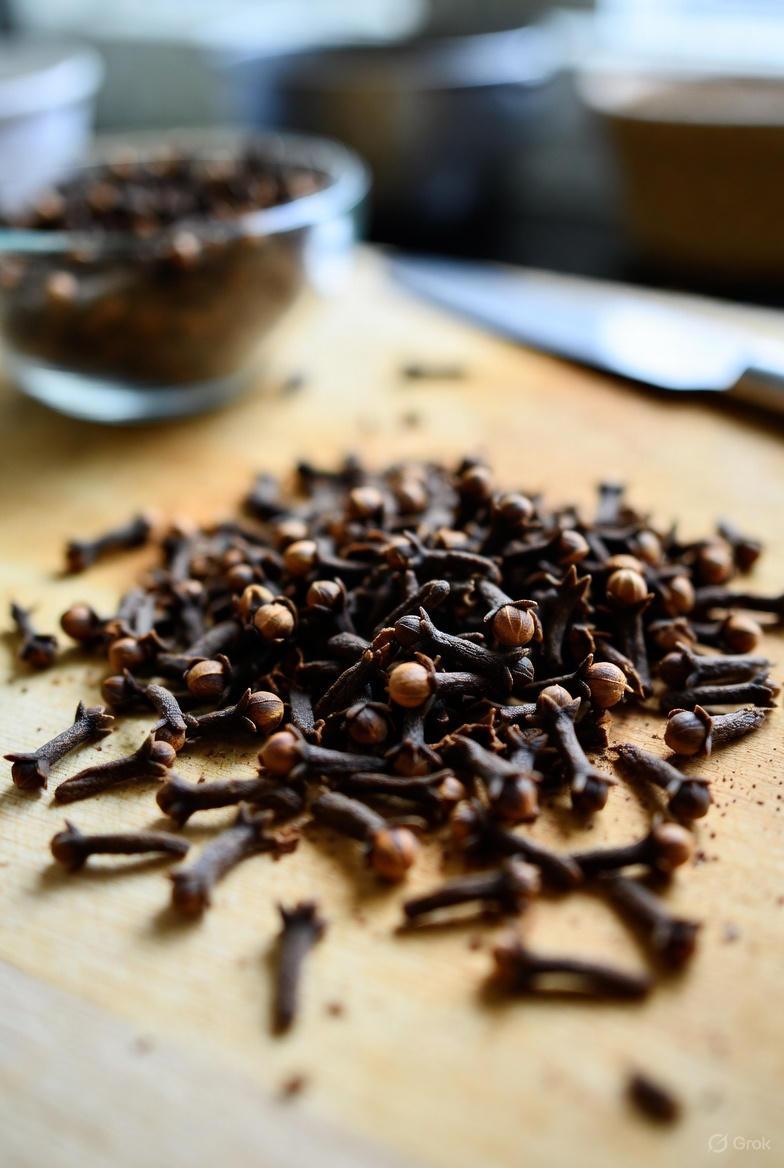
Cloves are the dried flower buds from the Syzygium aromaticum tree, native to Indonesia but now grown worldwide. They’re prized for their intense flavor, often used in baking, curries, and mulled drinks. Beyond the kitchen, cloves have a long history in traditional practices for their aromatic properties.
But that’s not all. Research indicates that cloves contain eugenol, a compound responsible for many of their characteristics. According to sources like Healthline, this element contributes to their appeal in various applications. However, it’s this same compound that prompts questions about usage in specific scenarios.
People turn to cloves for their versatility. In small amounts, they add depth to meals without overpowering other ingredients. Yet, as with any herb, moderation plays a key role.
Potential Side Effects Associated with Cloves
While cloves are generally recognized as safe in food quantities by the FDA, higher amounts or concentrated forms like oil can lead to issues. Common side effects include skin irritation when applied topically, especially on sensitive areas like gums.
Ingesting clove oil poses more significant concerns. Studies show it can cause dizziness, nausea, or even more severe reactions in rare cases. For instance, WebMD notes that swallowing pure clove oil might result in toxicity symptoms.
But here’s the interesting part: these effects often stem from eugenol’s influence on the body. It can affect how blood clots or how the liver processes certain substances.
Inhaling clove smoke, such as from clove cigarettes, is another area of caution. This practice has been linked to respiratory discomfort, as highlighted in reliable health resources.
To break it down further, here’s a quick list of reported side effects:
- Digestive upset, like nausea or diarrhea, from excessive intake.
- Skin reactions, including burning or rash, from topical use.
- Breathing difficulties if inhaled in smoke form.
- Potential for low blood sugar in sensitive individuals.
Remember, these are not universal but depend on dosage and personal factors.
Health Conditions That May Warrant Caution with Cloves
Certain health situations call for extra awareness when using cloves. Let’s explore some key ones, drawing from expert insights.
Bleeding Disorders and Blood-Thinning Effects
Cloves might influence blood clotting due to eugenol’s properties. For those with bleeding disorders, this could heighten risks during minor injuries or procedures.
Research from Mayo Clinic on herbal interactions suggests similar herbs can amplify effects of blood-thinning medications. If you’re on anticoagulants like warfarin, combining them with cloves might require monitoring.
The truth is, even small additions in tea could matter. Always check with a healthcare provider to avoid surprises.
Diabetes and Blood Sugar Management
Eugenol in cloves may impact blood sugar levels. Some studies indicate it could lower them, which sounds neutral but might be tricky for diabetes management.
WebMD points out potential interactions with diabetes medications, possibly leading to levels dropping too low. If you monitor your glucose regularly, note any changes after using cloves.
Here’s a simple tip: Start with tiny amounts in cooking and track your readings.
Pregnancy and Breastfeeding Considerations
During pregnancy or breastfeeding, sticking to food amounts of cloves is often advised. There’s limited data on larger quantities, so caution is key.
Healthline recommends avoiding clove oil entirely in these stages, as it could pose unknown risks. Focus on culinary uses to enjoy the flavor safely.
But wait, there’s more: consulting a professional can provide personalized guidance.
Liver Concerns and High-Dose Risks
High doses of clove oil have been associated with liver strain in some reports. For individuals with existing liver conditions, this is particularly relevant.
WebMD warns that excessive intake might lead to symptoms like jaundice. Babies and children are especially vulnerable, with even small oil amounts causing issues.
To put it in perspective, use cloves as a spice, not a supplement, unless directed otherwise.
Allergic Reactions and Sensitivities
Allergies to cloves aren’t common but can occur. Symptoms might include rash, itching, or swelling.
If you have sensitivities to other spices in the Myrtaceae family, like allspice, watch for cross-reactions. Testing a small amount on skin can help identify issues early.
Surgery and Pre-Operative Precautions
Planning surgery? Cloves could interfere with blood sugar control or clotting during the procedure.
Experts recommend stopping clove use at least two weeks prior, as per WebMD guidelines. This includes oils, teas, and supplements.
Comparing Benefits and Potential Concerns of Cloves
To help visualize, here’s a simple table outlining pros and cons based on general research:
| Aspect | Potential Benefits | Potential Concerns |
|---|---|---|
| Flavor Enhancement | Adds warmth to dishes | Overuse might cause digestive upset |
| Traditional Uses | Used in remedies for minor discomforts | Interactions with medications |
| Antioxidant Properties | Contains compounds like eugenol | Risk of allergic reactions |
| Dosage Safety | Safe in food amounts | Toxicity in high oil doses |
| Accessibility | Widely available as spice | Not suitable for children in oil form |
This comparison shows balance is essential. Benefits shine in moderation, while concerns arise with excess.
Actionable Tips for Safe Clove Usage
Ready to incorporate cloves mindfully? Follow these step-by-step suggestions:
- Start Small: Begin with 1/4 teaspoon in recipes to gauge your body’s response.
- Choose Whole or Ground: Opt for whole cloves for infusions or ground for baking, avoiding concentrated oils unless advised.
- Monitor Interactions: If on medications, list them and discuss with your doctor before increasing clove intake.
- Store Properly: Keep cloves in a cool, dry place to maintain freshness and potency.
- Alternative Options: If concerned, try milder spices like cinnamon for similar warmth.
These steps empower you to enjoy cloves without worry. And speaking of surprises, that tip I mentioned? Try a patch test for topical use: apply diluted clove oil to your inner arm and wait 24 hours for reactions. It could reveal hidden sensitivities.
Wrapping Up: Making Informed Choices About Cloves
In summary, cloves offer delightful flavor but deserve thoughtful use, especially with certain health considerations like bleeding risks or diabetes. By staying informed and consulting professionals, you can savor them safely.
Frequently Asked Questions (FAQ)
Can cloves be used during pregnancy?
It’s generally suggested to limit to food amounts during pregnancy, as larger quantities lack sufficient research. Always consult your healthcare provider for tailored advice.
What are signs of an allergic reaction to cloves?
Look for symptoms like skin rash, itching, or swelling after contact. If breathing issues occur, seek immediate help.
How much clove is considered safe daily?
There’s no strict guideline, but sticking to culinary uses—about 1-2 grams per day—is often viewed as reasonable. Monitor your body’s response.
This information is for educational purposes only and not intended as medical advice. Please consult a healthcare professional before making changes to your diet or health routine, especially if you have underlying conditions.
(Word count: 1,248)