Many people notice subtle signs of slower circulation as they age, like occasional fatigue after light activity or cooler hands and feet on chilly days. These experiences can feel frustrating and remind us how everyday habits influence how energized we feel. The good news is that simple dietary choices, including certain oils rich in beneficial fats and compounds, may offer supportive ways to promote smoother blood flow and vascular health.
These changes often stem from natural shifts in artery flexibility and inflammation levels over time. While no oil can replace a balanced lifestyle or medical advice, research points to specific ones that stand out for their potential role in supporting endothelial function—the inner lining of blood vessels—and overall circulation.
But with so many options in the kitchen, which ones show the most promise based on studies? Keep reading to explore evidence-backed choices that might fit easily into meals, and discover a surprising everyday swap at the end that could make a noticeable difference.
Why Focus on Oils for Circulation Support?
Healthy blood flow delivers oxygen and nutrients efficiently throughout the body. Factors like oxidative stress and inflammation can affect artery flexibility and vessel tone.
Studies, including those reviewed by the American Heart Association, suggest that monounsaturated fats, omega-3s, and polyphenols in certain oils may help maintain healthy endothelial function and reduce inflammation markers.
Incorporating these oils as part of a varied diet could complement other habits like regular movement and stress management.
Here’s the interesting part: not all oils are equal. Some plant-based and marine sources consistently appear in research for their supportive properties.
Extra Virgin Olive Oil: A Mediterranean Staple
Extra virgin olive oil (EVOO) stands out in large-scale studies like the PREDIMED trial, where regular consumption was linked to better vascular health outcomes.
Rich in monounsaturated fats and polyphenols, EVOO may help support artery flexibility and reduce oxidative stress.
Research from sources like PubMed reviews indicates these compounds contribute to healthier blood vessel function.
Many find drizzling it on salads or veggies adds a flavorful boost.
But marine options provide unique omega-3s. Curious about one that’s widely recommended?
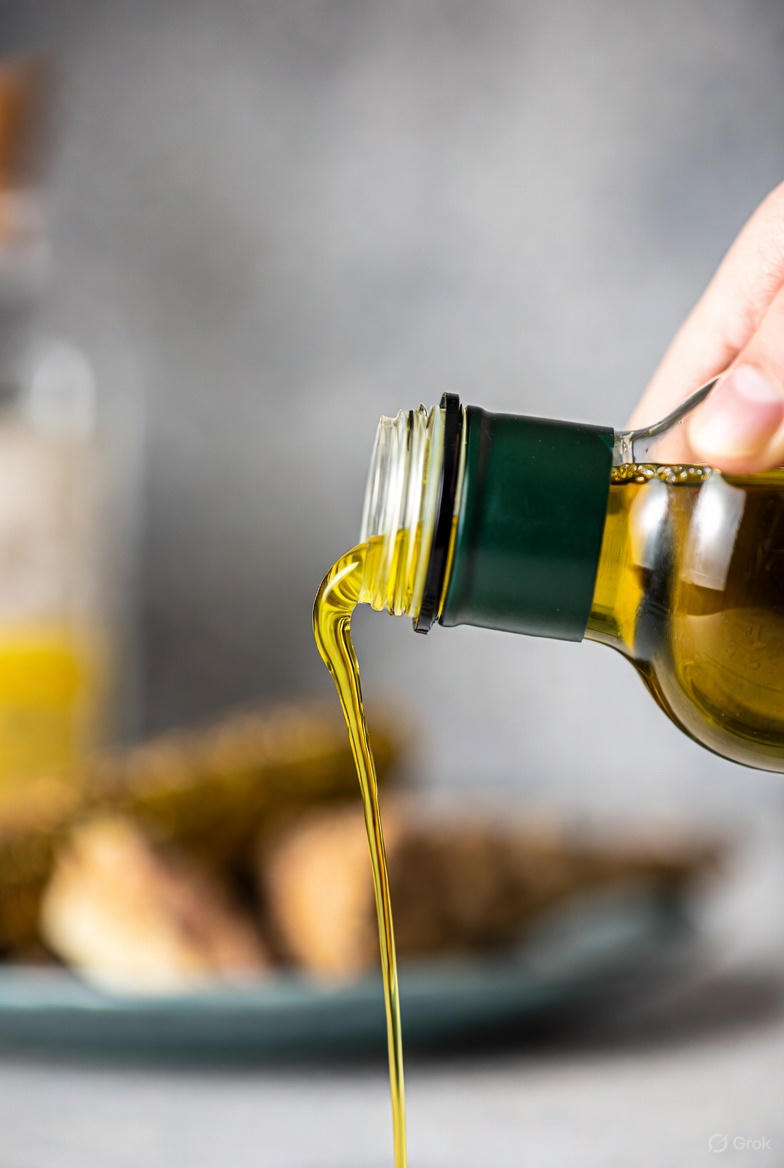
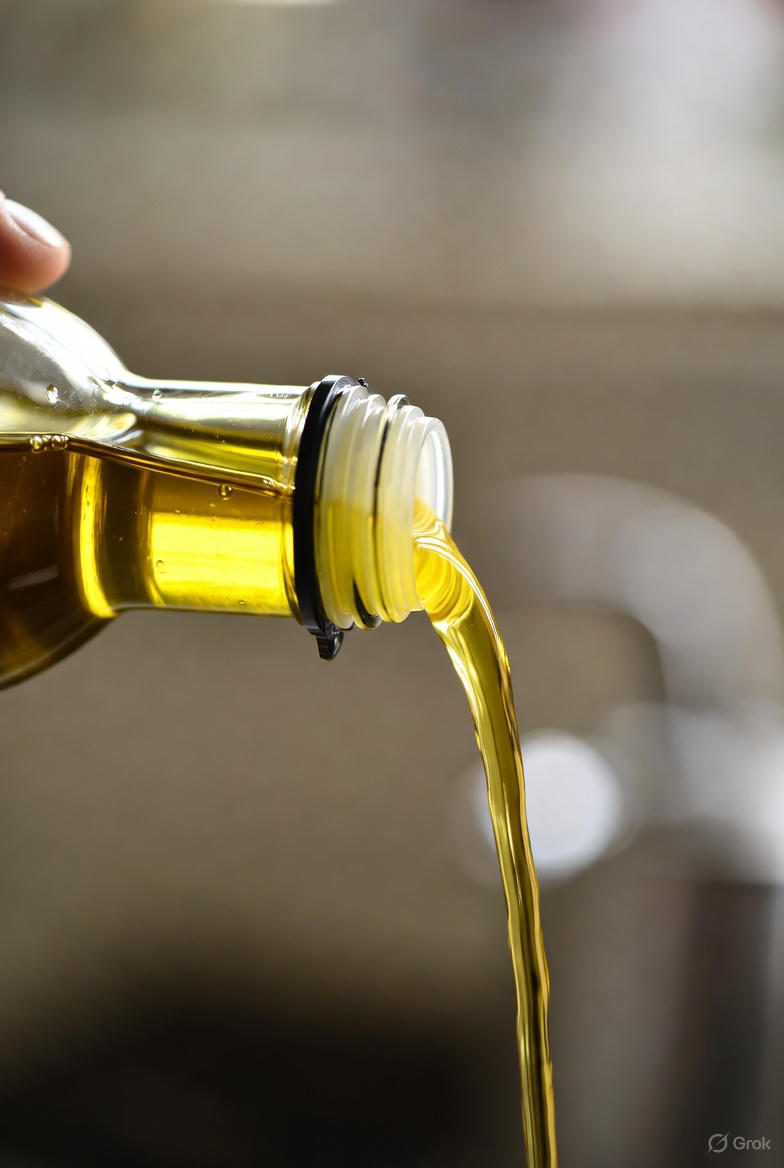
(Photo: Fresh extra virgin olive oil being poured, highlighting its golden color and natural texture.)
Fish Oil: An Omega-3 Powerhouse
Fish oil, high in EPA and DHA, has been studied extensively for circulation support.
Reviews from the American Heart Association note potential benefits for maintaining healthy triglyceride levels and vessel tone.
These omega-3s may promote better blood flow by supporting endothelial health.
Opt for high-quality supplements or fatty fish like salmon.
Plant-based alternatives offer similar fats too—what about one from seeds?
Avocado Oil: Versatile and Nutrient-Dense
Avocado oil’s oleic acid and antioxidants align with findings from animal and human studies showing support for healthy cholesterol balance and reduced inflammation.
Its mild flavor suits high-heat cooking, making it easy to incorporate.
Research suggests monounsaturated fats like those in avocado oil may aid vascular wellness.
Next, a nutty option rich in plant omega-3s.
Flaxseed Oil: Plant-Based ALA Source
Flaxseed oil provides alpha-linolenic acid (ALA), a plant omega-3 that the body can partially convert.
Studies indicate ALA may support heart function and circulation, as noted by sources like the Cleveland Clinic.
Best used cold in smoothies or dressings due to its low smoke point.
But what about garlic’s bold compounds?
Garlic-Infused Oil: A Flavorful Ally
Garlic contains allicin, which research links to vessel relaxation and potential blood pressure support.
Infusing oil with garlic captures these benefits for cooking.
Sources like Mayo Clinic highlight garlic’s role in cardiovascular health studies.
A creamy green fruit yields another standout oil.
(Photo: Fresh avocados being sliced and pressed for oil, showing natural processing.)
Walnut Oil: Endothelial Support from Nuts
Walnuts and their oil supply plant omega-3s and polyphenols.
Clinical trials show walnut consumption improves endothelial function, a key marker of artery health.
Drizzle on salads for a nutty finish.
Sesame brings unique lignans—what’s its potential?
Sesame Oil: Lignan-Rich Finisher
Sesame oil’s sesamol and lignans may help maintain healthy blood pressure, per studies.
Its toasty aroma enhances stir-fries.
Research suggests vascular protective effects.
Coconut oil sparks debate—here’s the balanced view.
Coconut Oil: Use in Moderation
Coconut oil’s MCTs provide quick energy, but its high saturated fat content leads to mixed reviews.
Evidence shows it raises cholesterol more than unsaturated oils, so limited use is wiser.
Views vary, but guidelines favor unsaturated options.
Comparison of Key Oils
| Oil | Key Components | Potential Benefits Supported by Research | Best Uses |
|---|---|---|---|
| Extra Virgin Olive | Polyphenols, monounsaturated fats | Supports endothelial function, reduces inflammation | Dressings, low-heat cooking |
| Fish Oil | EPA/DHA omega-3s | Maintains healthy triglycerides, vessel tone | Supplements, fatty fish |
| Avocado | Oleic acid, antioxidants | Promotes cholesterol balance, anti-inflammatory | High-heat frying |
| Flaxseed | ALA omega-3 | Supports heart function, circulation | Cold uses, smoothies |
| Garlic-Infused | Allicin | Aids vessel relaxation | Infused cooking |
| Walnut | Plant omega-3s, polyphenols | Improves endothelial health | Salads |
| Sesame | Lignans | Helps maintain blood pressure | Finishing drizzles |
| Coconut | MCTs | Quick energy (limited evidence for circulation) | Moderate baking |
Individual results vary; these are supportive, not standalone.
- Extra virgin olive oil and fish oil lead in robust research.
- Plant options like avocado and walnut offer versatile alternatives.
- Always prioritize quality sources.
How to Incorporate These Oils Mindfully
Start small to enjoy the flavors and monitor how you feel.
Here are practical steps:
- Select Quality: Choose cold-pressed or extra virgin for maximum nutrients.
- Daily Amount: Aim for 1–2 tablespoons total from beneficial oils.
- Creative Uses: Drizzle on veggies, blend into smoothies, or use in cooking (match smoke points).
- Track Changes: Note energy levels or comfort over weeks.
- Consult Professionals: Discuss with your doctor, especially if on medications.
Pair with balanced meals, movement, and hydration for best support.
Frequently Asked Questions
Can these oils replace medication for circulation issues?
No, they support a healthy lifestyle but aren’t substitutes. Always follow medical advice.
Which oil is easiest to start with?
Extra virgin olive oil—widely available and backed by extensive studies.
Are there risks with omega-3 oils?
High doses may interact with blood thinners; consult a provider.
This information is for educational purposes only and not medical advice. Consult your healthcare provider before dietary changes, especially with existing conditions.