
Many women in their reproductive years face unexpected changes like heavier periods, pelvic discomfort, or unexplained fatigue that disrupt daily life and raise concerns about fertility. These issues can feel isolating and worrying, especially when they appear earlier than expected in your 20s or 30s. The good news is that understanding common contributing factors can empower you to take proactive steps—and there’s one surprising everyday habit that research suggests could make a real difference, which we’ll explore later.
What Are Uterine Fibroids and Why Do They Matter?
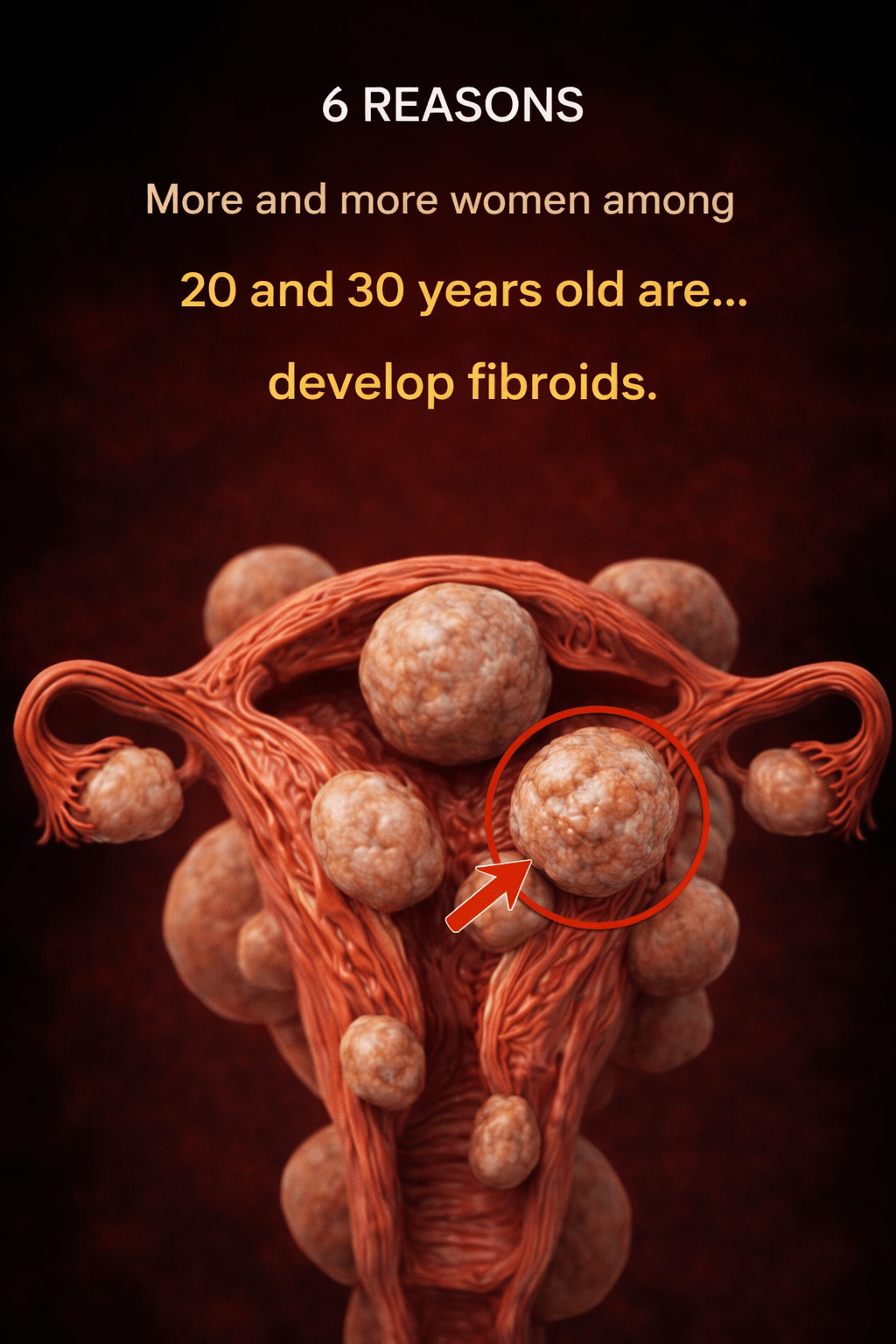
Uterine fibroids are noncancerous growths that develop in or around the uterus. They are extremely common, affecting up to 70-80% of women by age 50, according to various studies.
While many fibroids cause no issues and go unnoticed, others can lead to symptoms like heavy menstrual bleeding, pelvic pressure, pain during intimacy, or challenges with conception. What’s noteworthy is that improved awareness and better diagnostic tools mean more women are learning about them sooner.
But that’s not the whole story…
Research indicates fibroids often become more prevalent during the 30s and 40s due to hormonal influences, but certain factors may contribute to them appearing or being detected in younger age groups.
6 Key Factors That May Contribute to Fibroids in Younger Women
Experts have identified several elements that could play a role in why some women in their 20s and 30s experience fibroids. Here’s a closer look at six common ones, backed by studies:
1. Family History and Genetics
If your mother or sister has had fibroids, your chances may be higher—up to three times, according to some observations from health organizations like the Office on Women’s Health.
Genetics can influence how cells in the uterus respond to hormones. This doesn’t mean it’s inevitable, but knowing your family history can encourage earlier check-ins with your doctor.
2. Ethnicity and Racial Differences
Studies consistently show variations by ethnicity. For instance, Black women often develop fibroids at younger ages, with larger or more numerous growths, compared to other groups.
Research from sources like the NICHD notes that African American women may experience symptoms earlier and more severely. This highlights the importance of personalized discussions with healthcare providers.
3. Hormonal Influences and Early Puberty
Fibroids are sensitive to estrogen and progesterone, hormones that fluctuate during reproductive years.
Starting periods at a younger age (early menarche) means longer lifetime exposure to these hormones, which some studies link to increased likelihood. Modern trends toward earlier puberty in some populations could be a contributing piece.
4. Body Weight and Metabolic Factors
Maintaining a higher body weight or obesity is associated with elevated estrogen levels from fat tissue, potentially influencing fibroid development.
Reviews in journals like the Journal of Epidemiology and Community Health have explored this connection. A balanced weight through sustainable habits supports overall hormonal health.
5. Dietary Patterns
What you eat day-to-day matters. Diets higher in red meat and lower in fruits, vegetables, and dairy have been observed in some studies to correlate with higher odds.
Conversely, plenty of green vegetables and certain nutrients appear protective. Vitamin D levels also come up frequently—low levels are common and may play a role, per Mayo Clinic insights.
Here’s a simple comparison of dietary habits linked to fibroid research:
| Habit Often Observed in Studies | Potential Association |
|---|---|
| High red meat intake | Higher likelihood |
| Low fruit and vegetable intake | Higher likelihood |
| Plenty of green veggies | Lower likelihood |
| Adequate dairy or vitamin D | Potentially protective |

6. Other Lifestyle Elements
Alcohol consumption, lack of physical activity, and even environmental exposures are under investigation.
For example, regular moderate exercise supports healthy weight and hormone balance. Some data suggests pregnancies and certain contraceptives may offer a protective effect by altering hormone exposure over time.
The reality is, no single factor acts alone—it’s often a combination.
Practical Steps You Can Take Today to Support Your Uterine Health
While you can’t change genetics or ethnicity, many daily choices are within your control. Here are actionable tips based on research observations:
- Aim for a balanced plate: Fill half your meals with fruits and vegetables, especially greens like broccoli or spinach. Reduce processed red meats and opt for lean proteins or plant-based options.
- Move regularly: Try 30 minutes of moderate activity most days—walking, yoga, or strength training. It helps maintain a healthy weight and reduces stress.
- Get sunlight or check vitamin D: Spend time outdoors or discuss testing with your doctor, as deficiency is common and linked in studies.
- Limit alcohol: Keeping it moderate or low may support overall wellness.
- Track your cycles: Use an app to monitor periods and symptoms. Early patterns can prompt timely conversations with your provider.
- Consider routine check-ups: Especially if you have family history or symptoms, annual pelvic exams or ultrasounds can provide peace of mind.
Start with one or two changes—they add up over time.
This is the part that’s encouraging: Research, including from sources like Mayo Clinic and systematic reviews, shows that adopting these habits may help support hormonal balance and overall reproductive health.
Frequently Asked Questions
At what age do uterine fibroids typically appear?
Fibroids most commonly become noticeable in the 30s and 40s, but they can develop earlier. Studies show prevalence increases with age during reproductive years.
Can lifestyle changes prevent fibroids entirely?
While nothing guarantees prevention, healthier habits like a nutrient-rich diet and regular exercise are associated with lower likelihood in observational studies.
Should I worry if I’m in my 20s with heavy periods?
Not necessarily—many causes exist—but it’s worth discussing with a healthcare provider to rule out possibilities and get personalized guidance.

Final Thoughts
Uterine fibroids are incredibly common, and noticing them in younger women may reflect better awareness more than a dramatic surge. By focusing on modifiable factors like diet, activity, and weight management, many women feel more in control of their health.
Remember, this information is for educational purposes. Always consult a qualified healthcare professional for personalized advice, as individual situations vary.
Disclaimer: This article is intended for informational purposes only and does not constitute medical advice. Please speak with your doctor about any concerns regarding uterine health or symptoms.


